Delhi Police Bust Major Counterfeit Samsung Phone Manufacturing Operation
Indian authorities have dismantled a significant counterfeit smartphone manufacturing operation targeting Samsung's popular Galaxy lineup. The bust represents a substantial blow to the underground market for fake electronics that has plagued consumers in the region.
The Raid and Seizure
Acting on a tip, law enforcement raided a shop in Delhi during the night of December 13-14, 2025. The operation resulted in the arrest of four individuals who were actively assembling imitation Samsung smartphones. Investigators discovered the operation was using components imported from China to create convincing counterfeits.
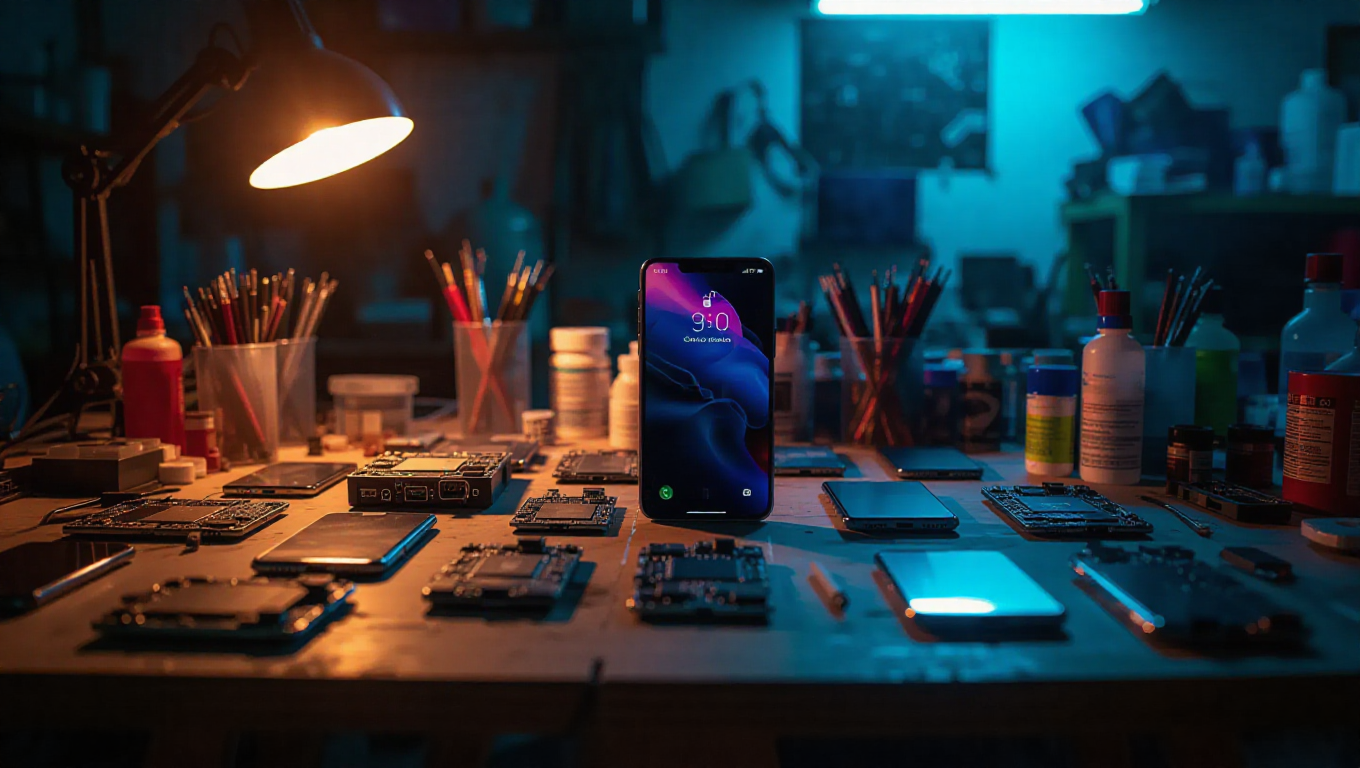
The seizure included 512 completed fake Samsung Galaxy phones, with models mimicking the premium Galaxy S Ultra, Galaxy Z Fold, and Galaxy Z Flip series. Authorities also confiscated 124 motherboards, 138 batteries, and 459 counterfeit IMEI stickers falsely indicating "Made in Vietnam." Specialized tools used for phone assembly were found at the location, indicating a sophisticated operation rather than simple reselling.
Market Impact and Investigation
The counterfeit devices were reportedly intended for sale at prices between ₹35,000 and ₹40,000 each—significantly below legitimate market prices but still substantial sums that could deceive bargain-seeking consumers. The operation's scale suggests it was feeding a distribution network rather than serving only local customers.
Investigators are now working to trace the supply chain and identify buyers who may have already purchased these fake devices. This follow-up investigation aims to dismantle the entire network involved in manufacturing and distributing the counterfeit phones. The bust is expected to reduce the availability of fake Samsung phones in the Indian market, protecting consumers from financial loss and potential safety risks associated with uncertified electronics.
Broader Implications
Counterfeit smartphones represent a persistent problem in many markets, with fake versions of popular Apple and Samsung models being particularly common. These devices often lack proper safety certifications, may contain substandard or dangerous components, and typically don't receive software updates or warranty support.
The successful operation demonstrates increased vigilance by Indian authorities against electronics counterfeiting. For Samsung, such enforcement actions help protect brand integrity and consumer trust in a key market. Consumers are advised to purchase smartphones only from authorized retailers and to verify device authenticity through official channels when buying from secondary markets.
While this bust addresses one manufacturing point, the prevalence of counterfeit electronics suggests ongoing challenges in combating such operations. Continued enforcement and consumer education remain crucial in reducing the market for fake devices that compromise both quality and safety.