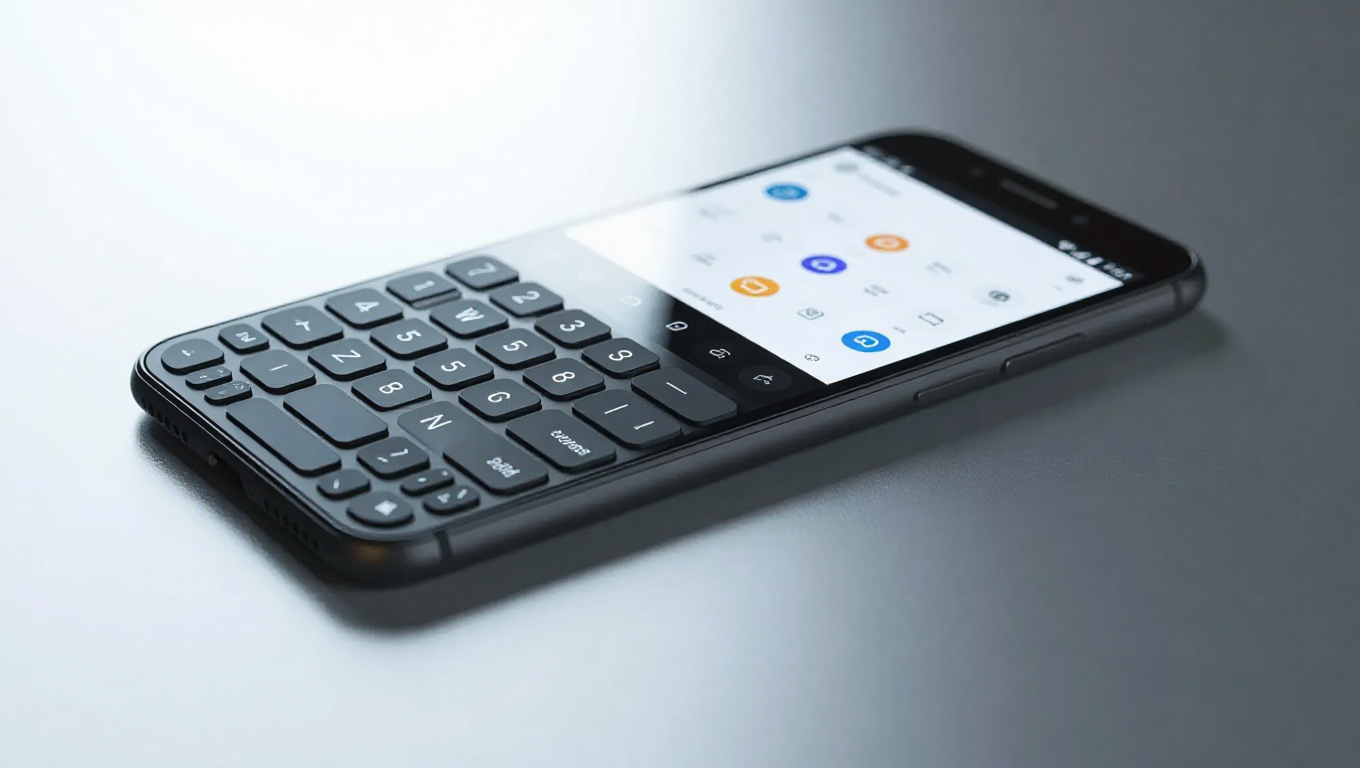
Clicks Communicator: Android Phone with Physical Keyboard Focuses on Messaging
In an era dominated by touchscreen smartphones, a new device is making waves by bringing back a beloved physical feature. The Clicks Communicator is an Android phone designed with a specific purpose: to enhance messaging through dedicated hardware.
A Return to Tactile Typing
The Clicks Communicator represents a significant departure from modern smartphone design conventions. Developed by the same company that previously introduced physical keyboard accessories for existing smartphones, this device takes the concept further by integrating the keyboard directly into a complete phone system.
Unlike traditional smartphones that serve as multi-purpose devices for everything from gaming to photography, the Communicator appears to have a more focused mission. Early information suggests it's engineered primarily for managing messages and communication, potentially offering a streamlined experience for users who prioritize texting, email, and other written communication.
Hardware with a Purpose
The physical keyboard is the centerpiece of the Communicator's design. While most modern smartphones have abandoned physical keyboards in favor of larger touchscreens, this device embraces tactile feedback and dedicated keys. This approach could appeal to users who miss the precision and speed of physical typing, particularly for lengthy messages or professional communication.
Available images show a device that maintains a smartphone form factor while incorporating a slide-out or integrated keyboard mechanism. The design appears to balance the need for a physical keyboard with contemporary smartphone aesthetics, suggesting the company has learned from its previous keyboard accessory experience.
Message-Centric Philosophy
What sets the Communicator apart isn't just its hardware but its software philosophy. Described as "message-centric," the device seems to prioritize communication functions over other smartphone capabilities. This could mean optimized messaging apps, enhanced notification management, or specialized features for organizing conversations.
This focus on messaging aligns with growing concerns about digital wellbeing and distraction. By creating a device that excels at communication while potentially minimizing other distractions, the Communicator might appeal to users seeking a more intentional relationship with their technology.
Conclusion
The Clicks Communicator represents an interesting experiment in smartphone specialization. In a market where most devices try to be everything to everyone, this Android phone with a physical keyboard chooses to excel at one thing: communication. Whether this focused approach will find a substantial audience remains to be seen, but it certainly offers an alternative for users who miss physical keyboards or want a device dedicated to messaging. As smartphone innovation often comes from challenging conventions, the Communicator's success could inspire more specialized devices in the future.