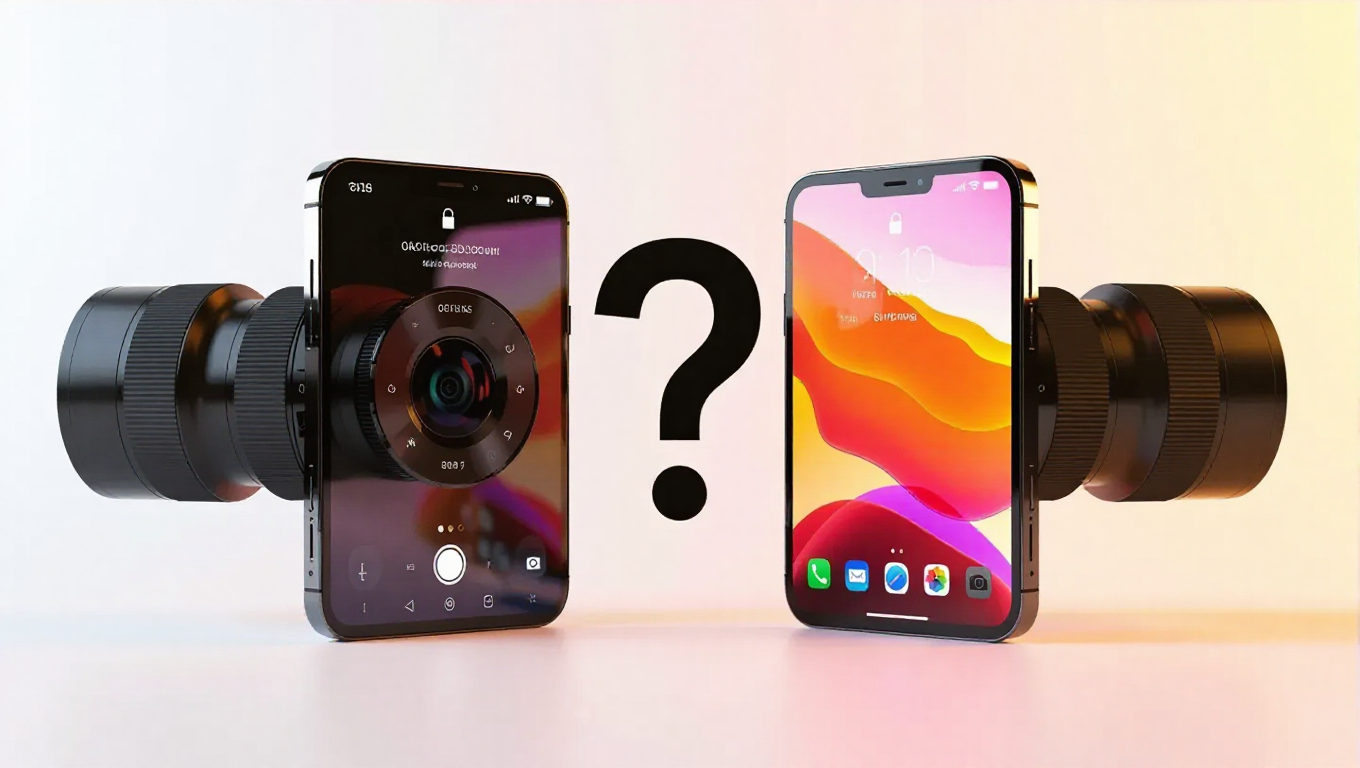
Camera vs Foldable Flagships: Why Can't You Have the Best of Both Worlds?
The smartphone landscape has evolved dramatically in recent years, presenting consumers with increasingly sophisticated choices. Where once the decision was primarily between operating systems or brand ecosystems, today's flagship market presents a more fundamental dilemma: should one prioritize photographic excellence or embrace the innovative form factor of foldable devices?
The Rise of Camera-Focused Flagships
Traditional bar-style smartphones have made remarkable strides in camera technology. Recent models from various manufacturers have incorporated larger sensors, advanced zoom capabilities, and sophisticated computational photography. These devices have attracted users who prioritize image quality above all else, offering photographic performance that rivals dedicated cameras in many situations.
The appeal of these camera-focused flagships is undeniable for photography enthusiasts and professionals who rely on their smartphones for capturing important moments. The consistent quality across various lighting conditions and the versatility offered by multiple focal lengths have made these devices the go-to choice for those who view photography as a primary smartphone function.
The Foldable Revolution
Meanwhile, foldable smartphones have matured from experimental novelties into genuinely compelling alternatives. Modern book-style foldables now offer thin profiles, improved durability, and meaningful water and dust resistance. Most importantly, they provide significantly larger screen real estate while maintaining pocketable dimensions when folded.
These devices have proven particularly appealing for users who consume substantial amounts of content on their phones, whether reading, watching videos, or multitasking. The expanded screen space enhances productivity and entertainment experiences, making foldables attractive alternatives to carrying both a phone and a tablet.
The Compromise Conundrum
Despite significant advancements in both categories, a fundamental compromise persists. Camera-focused flagships typically offer superior photographic hardware and software optimization, while foldables prioritize the innovative form factor and larger display. While recent foldables have improved their camera capabilities, they generally cannot match the photographic performance of dedicated camera phones.
This creates a genuine dilemma for consumers who want both exceptional photography and the benefits of a foldable display. The technological constraints of foldable designs, including space limitations and thermal considerations, make it challenging to incorporate the same level of camera hardware found in traditional flagships.
Market Trends and User Choices
Observations suggest that users are increasingly gravitating toward specialized devices based on their primary needs. Some have transitioned from mainstream brands to camera-focused models from manufacturers emphasizing photographic innovation. Others have embraced foldables for their unique advantages in media consumption and productivity.
This specialization reflects how smartphones have become more nuanced tools, with different form factors excelling at different tasks. The market appears to be segmenting between devices optimized for content creation (particularly photography) and those optimized for content consumption and productivity.
Conclusion
The current smartphone market presents consumers with a meaningful choice between photographic excellence and innovative form factors. While both camera-focused flagships and foldable devices have reached impressive levels of sophistication, technological and design constraints continue to prevent the perfect fusion of both worlds.
As the industry continues to evolve, manufacturers face the challenge of balancing these competing priorities. Future innovations may eventually bridge this gap, but for now, users must decide whether superior camera performance or the unique advantages of a foldable display better serve their needs. This fundamental choice reflects how smartphones have matured into specialized tools rather than one-size-fits-all devices, offering different paths to technological satisfaction based on individual priorities and usage patterns.