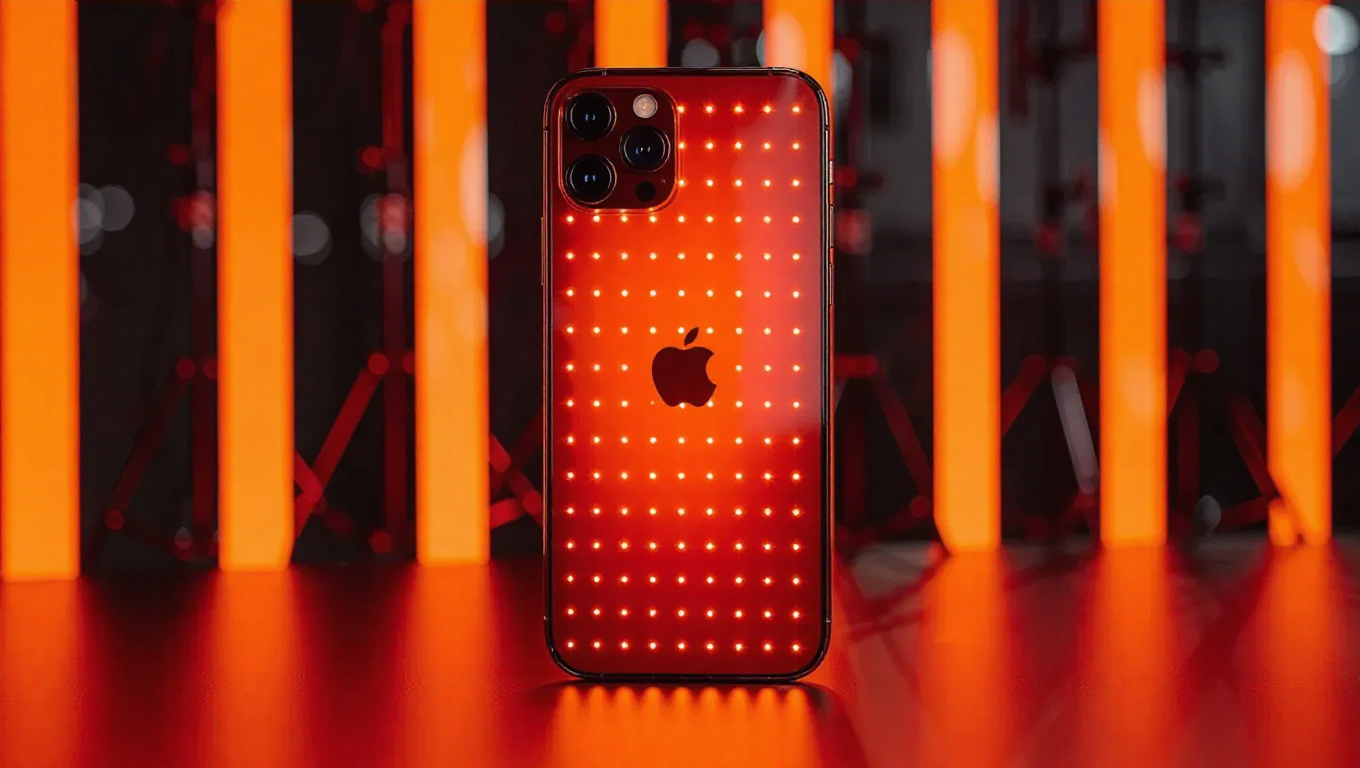
Budget Android Phone Blends iPhone Design with Nothing-Style Flair
In the competitive mid-range smartphone market, manufacturers are increasingly looking to premium design cues to differentiate their offerings. A new device has emerged that appears to combine elements from two distinct design philosophies: Apple's minimalist aesthetic and Nothing's hardware innovation.
Design Fusion: iPhone Meets Nothing
The phone's most striking feature is its camera module, which clearly draws inspiration from the iPhone 17 Pro's modern layout. This design choice gives the device a premium appearance typically associated with higher-end smartphones. However, the similarity ends when you turn the device around.
On the back panel, an active matrix display similar to Nothing's Glyph system transforms the rear surface into a functional interface. This display can show time, notifications, music controls, and other information without requiring the user to turn the phone over. The combination creates a unique visual identity that stands out in a crowded market segment.
Hardware Specifications and Market Position
Beyond its distinctive design, the device represents a strategic shift in hardware choices. The manufacturer has moved to Qualcomm's Snapdragon 7s Gen 4 processor, suggesting a focus on balanced performance and efficiency. This chipset selection positions the phone as a capable mid-range contender that prioritizes both aesthetics and functionality.
The color options—including vibrant orange, blue, and green variants—further emphasize the device's attempt to balance premium design cues with personality and flair. This approach targets consumers who want smartphone aesthetics that reflect both sophistication and individuality.
Industry Implications
This design strategy reflects broader trends in the smartphone industry, where mid-range manufacturers are increasingly borrowing and remixing design elements from premium brands. By combining recognizable design language with innovative hardware features, companies can create products that feel both familiar and novel.
The rear matrix display, while reminiscent of Nothing's implementation, represents an interesting evolution of the concept. As this technology trickles down to more affordable devices, it could become a more common feature in the mid-range segment, offering users additional functionality without significantly increasing costs.
Conclusion
This upcoming smartphone represents an intriguing synthesis of design influences from across the industry. By blending Apple's camera aesthetic with Nothing's rear display innovation, it creates a distinctive product that challenges conventional expectations for budget devices. While the final performance and user experience remain to be seen, the design approach demonstrates how mid-range manufacturers are becoming increasingly sophisticated in their attempts to stand out in a competitive market. As consumers continue to prioritize both aesthetics and value, such hybrid designs may become more common, pushing the boundaries of what's possible at affordable price points.