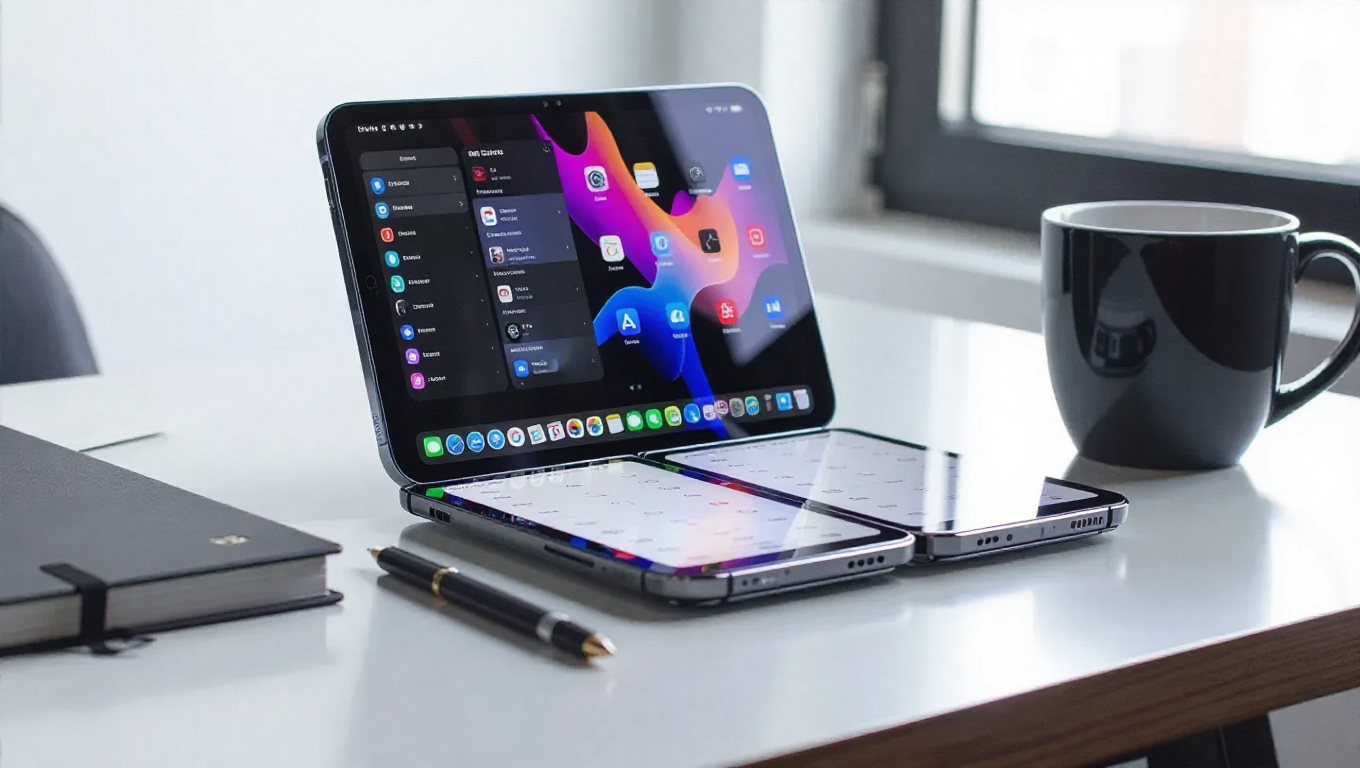
Book-Style Android Foldables Poised to Dominate Market by 2026
The foldable smartphone landscape is undergoing a significant transformation, with new projections indicating a clear shift in consumer and manufacturer preferences. Recent market analysis suggests that by 2026, the foldable device market will be led by book-style Android models, marking a departure from the initial popularity of compact clamshell designs.
The Rise of the Productivity Powerhouse
The forecast points to a strategic pivot by device makers towards larger, premium foldables that function as versatile productivity tools. These book-style devices, which unfold to reveal tablet-sized screens, are increasingly being designed with professional and power users in mind. The emphasis is moving beyond novelty to deliver robust multitasking capabilities, enhanced software for split-screen applications, and improved durability for daily, intensive use.
This trend reflects a maturation of the foldable category. Early adopters were often drawn to the compact form factor of clamshell devices, which prioritize portability. However, the evolving market dynamic suggests a growing demand for devices that can effectively replace both a smartphone and a tablet, offering a seamless transition between phone and expansive canvas for work, content creation, and media consumption.
Market Dynamics and Future Outlook
The anticipated dominance of book-style foldables is not merely a prediction of sales figures but an indicator of where technological innovation and investment are concentrated. Manufacturers are channeling resources into refining the hinge mechanisms, screen durability, and software ecosystems specifically for these larger form factors. The goal is to eliminate historical pain points, such as screen crease visibility and app compatibility, thereby making these devices more appealing to a mainstream audience.
While clamshell foldables are expected to maintain a presence, particularly in fashion-conscious and ultra-portable segments, their market share is projected to be overshadowed by their book-style counterparts. The competition is likely to intensify as more brands enter the premium foldable space, potentially driving faster innovation and more competitive pricing over the next two years.
Conclusion
The foldable phone market is on the cusp of a defining era. The projection for 2026 underscores a strategic consolidation around the book-style design as the future flagship model for Android manufacturers. This shift signifies the industry's bet on foldables as serious productivity devices rather than niche gadgets. For consumers, this means an upcoming wave of sophisticated, large-screen foldables designed to be workhorses, potentially reshaping how we think about mobile computing and communication.