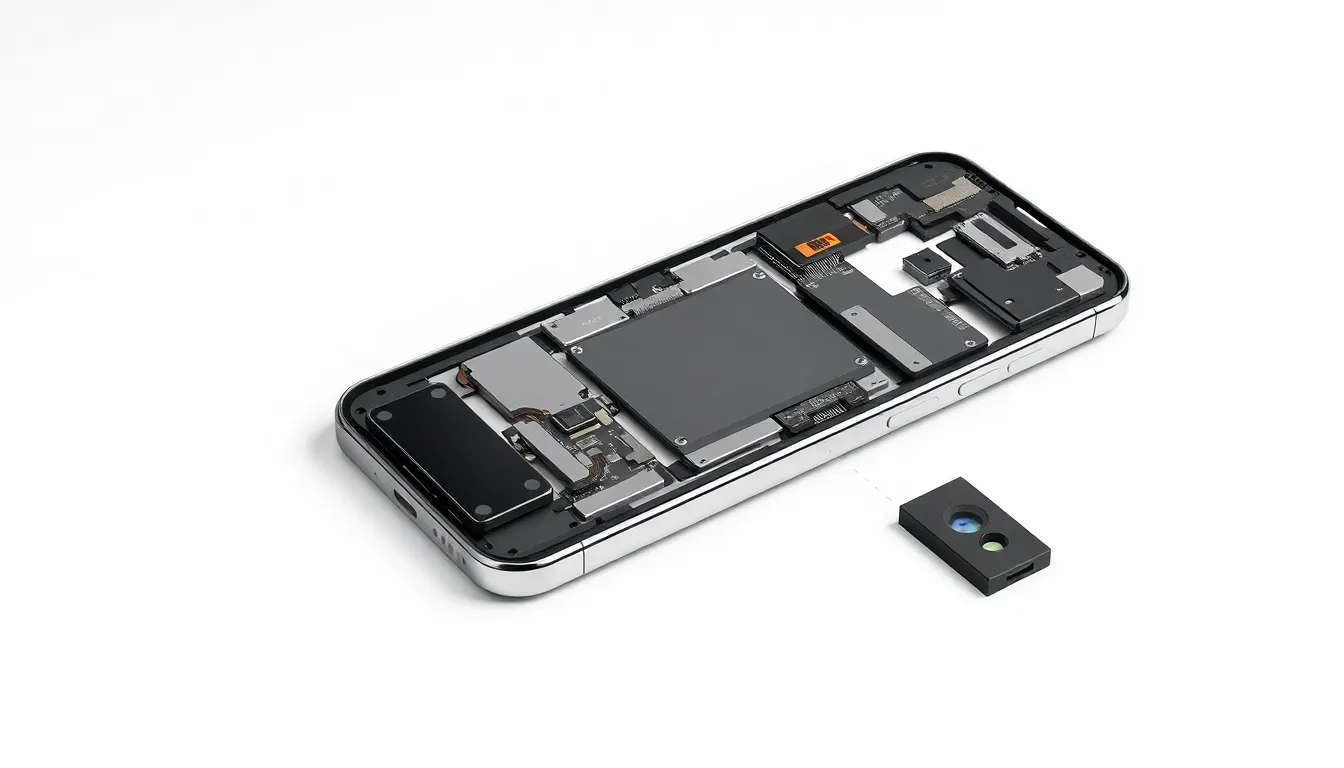
Base Galaxy S26 Earns Top Marks for User-Friendly Repairability
In the smartphone market, where flagship devices often prioritize sleek design over serviceability, a recent analysis reveals a welcome exception. The standard Galaxy S26 model has demonstrated exceptional ease of repair, achieving a top-tier score that matches its more expensive Ultra counterpart. This development marks a significant step for device longevity and consumer rights in the tech industry.
High Repairability Scores Across the Lineup
Following a teardown of the Galaxy S26 Ultra that revealed a highly repairable design, attention turned to the base model. The results are equally impressive. The standard Galaxy S26 has secured a 9 out of 10 repairability score, placing it among the most serviceable flagship phones available. This consistency across models ensures that customers opting for the more accessible variant do not sacrifice the benefits of a repairable device, a feature often reserved for premium editions.
Modular Design and Practical Assembly
The high score is attributed to Samsung's thoughtful internal engineering. The phone utilizes a modular component layout, which simplifies the repair process significantly. Key parts are arranged to allow individual replacement without extensive disassembly of unrelated sections. This design philosophy reduces repair time and complexity, benefiting both professional technicians and skilled enthusiasts.
Furthermore, the assembly method plays a crucial role. Instead of relying heavily on high-strength adhesives, which can complicate repairs and often damage components during removal, Samsung has secured many internal elements with standard screws. This approach allows for cleaner, reversible disassembly, making tasks like battery or screen replacement more straightforward and less risky for the device's integrity.
Implications for Consumers and Sustainability
This focus on repairability addresses growing consumer demand for longer-lasting electronics and supports broader sustainability goals. Easier repairs can extend a phone's usable life, reduce electronic waste, and lower the total cost of ownership by making out-of-warranty fixes more affordable. In an industry frequently criticized for planned obsolescence, the Galaxy S26's design represents a positive shift toward user-centric engineering.
Conclusion
The base Galaxy S26's high repairability score underscores a meaningful commitment to design that values repairability alongside performance and aesthetics. By achieving parity with its Ultra sibling in serviceability, Samsung has made a strong statement about inclusivity in device longevity. For consumers, this means greater flexibility, potential cost savings, and the reassurance that their investment is built to last, reinforcing the Galaxy S26 as a standout choice in the current smartphone landscape.