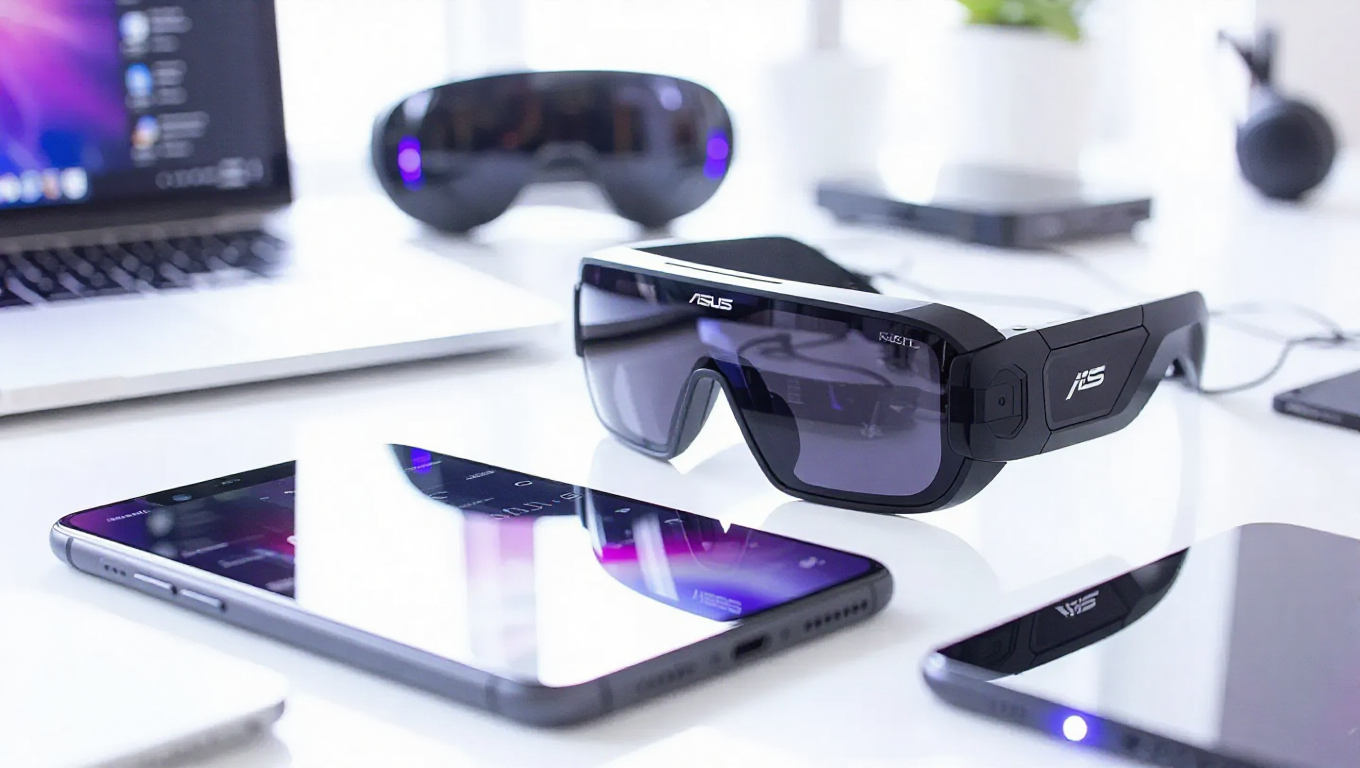
ASUS Halts Smartphone Production to Focus on AI Hardware
In a significant strategic shift, ASUS has confirmed it will not manufacture any new smartphones this year and is reallocating its mobile research and development resources entirely toward artificial intelligence hardware. The announcement, made by Chairman Jonney Shih during a company event, suggests this move may represent a permanent exit from the smartphone market rather than a temporary pause.
The Official Confirmation
During a special event at the Taipei Nangang Exhibition Center, Shih confirmed that ASUS has no plans for new smartphone releases. While he stopped short of explicitly stating the company is permanently exiting the smartphone business, the language used and the scale of the resource reallocation indicate this is more than a temporary hiatus. The company will continue to provide maintenance, software updates, and warranty services for existing devices, but no new Zenfone or ROG Phone models are in development.
Strategic Shift to AI Hardware
The decision represents a complete pivot in ASUS's strategic direction. The company is now focusing its engineering and development resources on commercial PCs and what it calls "physical AI"—specifically robotics and smart glasses. This shift comes as ASUS reported impressive financial results for 2025, with revenue reaching TWD 738.91 billion ($23.4 billion), representing a 26% increase from the previous year. Notably, the company's AI server business achieved 100% growth, doubling its own targets and demonstrating the potential of this new focus area.
Market Context and Challenges
ASUS's smartphone division had been struggling in recent years against intense competition from larger manufacturers. The company had already significantly reduced its mobile offerings, launching only two phones in 2025—the ROG Phone 9 FE and Zenfone 12 Ultra—neither of which achieved substantial commercial success. The smartphone market has become increasingly dominated by a few major players, making it difficult for smaller manufacturers to maintain profitability without massive scale.
What This Means for Consumers
For current ASUS smartphone owners, the company has committed to continuing support for existing devices, including software updates and warranty services. However, those hoping for new models or upgrades to the Zenfone or ROG Phone lines will need to look elsewhere. The gaming phone market, where ASUS's ROG Phone series had established a niche following, will now have one less competitor, potentially affecting innovation and pricing in that segment.
Broader Industry Implications
ASUS's exit from smartphones reflects broader trends in the technology industry, where companies are increasingly focusing resources on artificial intelligence and specialized hardware rather than competing in saturated consumer markets. The move suggests that even established technology brands are finding it challenging to maintain viable smartphone businesses against dominant players with greater economies of scale and marketing resources.
Conclusion
ASUS's decision to halt smartphone production represents a calculated strategic retreat from a market that has become increasingly difficult for all but the largest players. By redirecting resources toward AI hardware, robotics, and smart glasses, the company is betting on emerging technologies rather than continuing to fight in the highly competitive smartphone arena. While the company hasn't explicitly stated it will never return to smartphones, the complete reallocation of R&D resources and the challenging market conditions suggest this likely marks the end of ASUS's mobile division after years of gradual decline.