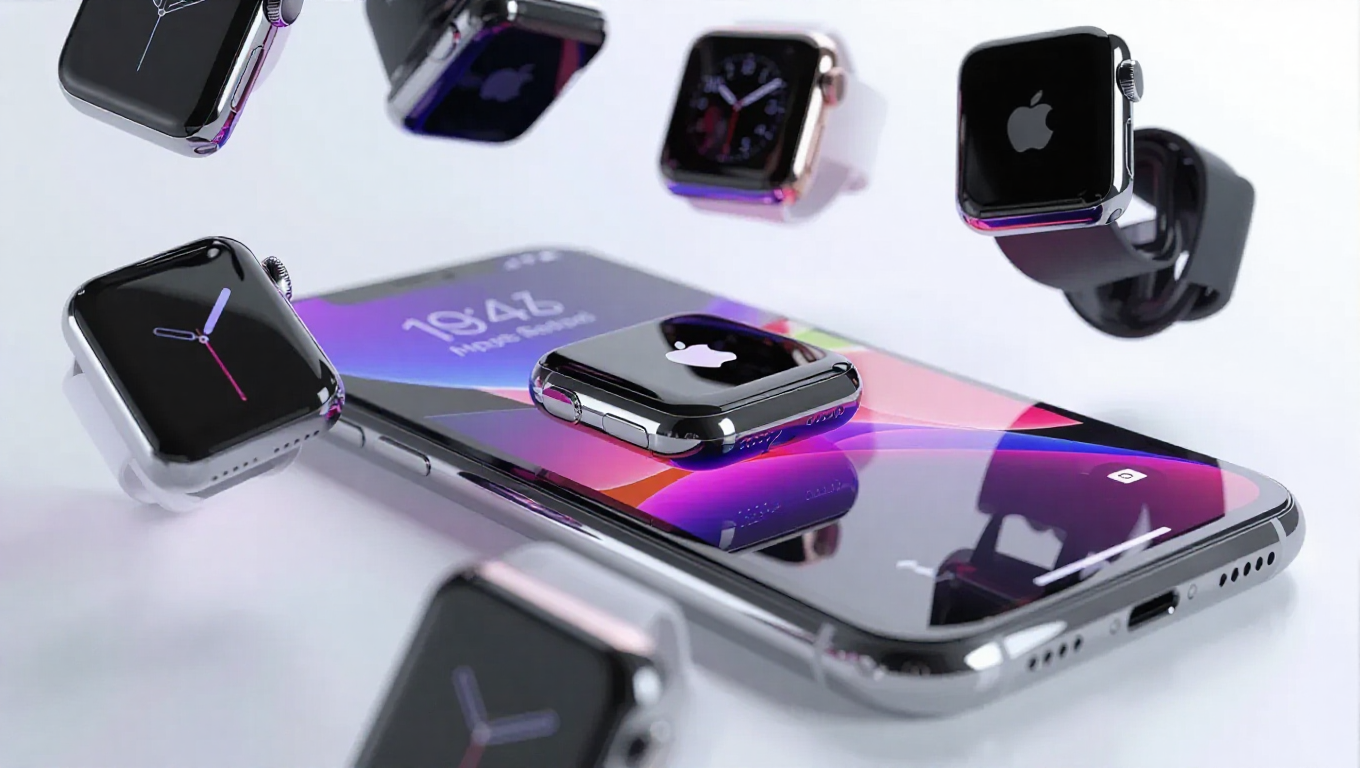
Apple's Wearable Strategy Aims to Lock Users into iPhone Ecosystem
As the smartphone market matures, Apple appears to be shifting its focus toward creating an ecosystem of wearable devices designed to make the iPhone increasingly indispensable. Recent developments suggest the company is working on several innovative products that could significantly deepen user integration with its platform.
The Next Generation of Apple Wearables
Multiple reports indicate Apple is developing three key wearable products that could transform how users interact with technology. The most ambitious appears to be smart glasses that would prioritize superior build quality and advanced camera technology, potentially offering a more refined alternative to existing augmented reality headsets.
Alongside these glasses, Apple is reportedly exploring camera-equipped AirPods that could introduce new forms of audio-visual interaction. Perhaps most intriguing is the development of an AI-powered pendant designed to serve as the "eyes and ears" of an iPhone, potentially offering always-available AI assistance through a discreet wearable form factor.
Strategic Implications for the iPhone
These developments suggest a strategic shift toward making the iPhone the central hub of a more comprehensive wearable ecosystem. By creating devices that work optimally or exclusively with iPhones, Apple could significantly increase switching costs for users considering moving to Android or other platforms.
The reported AI pendant represents a particularly interesting approach, potentially offering iPhone users unique capabilities that wouldn't be available on other platforms. This could create a compelling reason for users to remain within Apple's ecosystem even as smartphone hardware innovation slows.
Android's Response Challenge
For Android manufacturers, Apple's wearable strategy presents both a challenge and an opportunity. While Apple's approach focuses on deep integration within its own ecosystem, Android's open nature could allow for more flexible cross-platform wearable solutions.
However, the fragmented nature of the Android ecosystem makes it difficult to create the kind of seamless integration Apple can achieve. Android manufacturers may need to develop their own cohesive wearable strategies or risk losing users to Apple's increasingly comprehensive ecosystem.
Conclusion: The Battle for Wearable Dominance
Apple's reported wearable developments represent more than just new product categories—they signal a strategic move to make the iPhone irreplaceable through ecosystem lock-in. As these devices potentially offer unique capabilities that only work optimally with iPhones, users may find it increasingly difficult to consider switching platforms.
For Android manufacturers, the challenge will be developing competitive wearable ecosystems that can match Apple's integration while maintaining Android's traditional strengths of flexibility and choice. The next phase of the smartphone wars may well be fought not on phone specifications, but on which platform can offer the most compelling and integrated wearable experience.