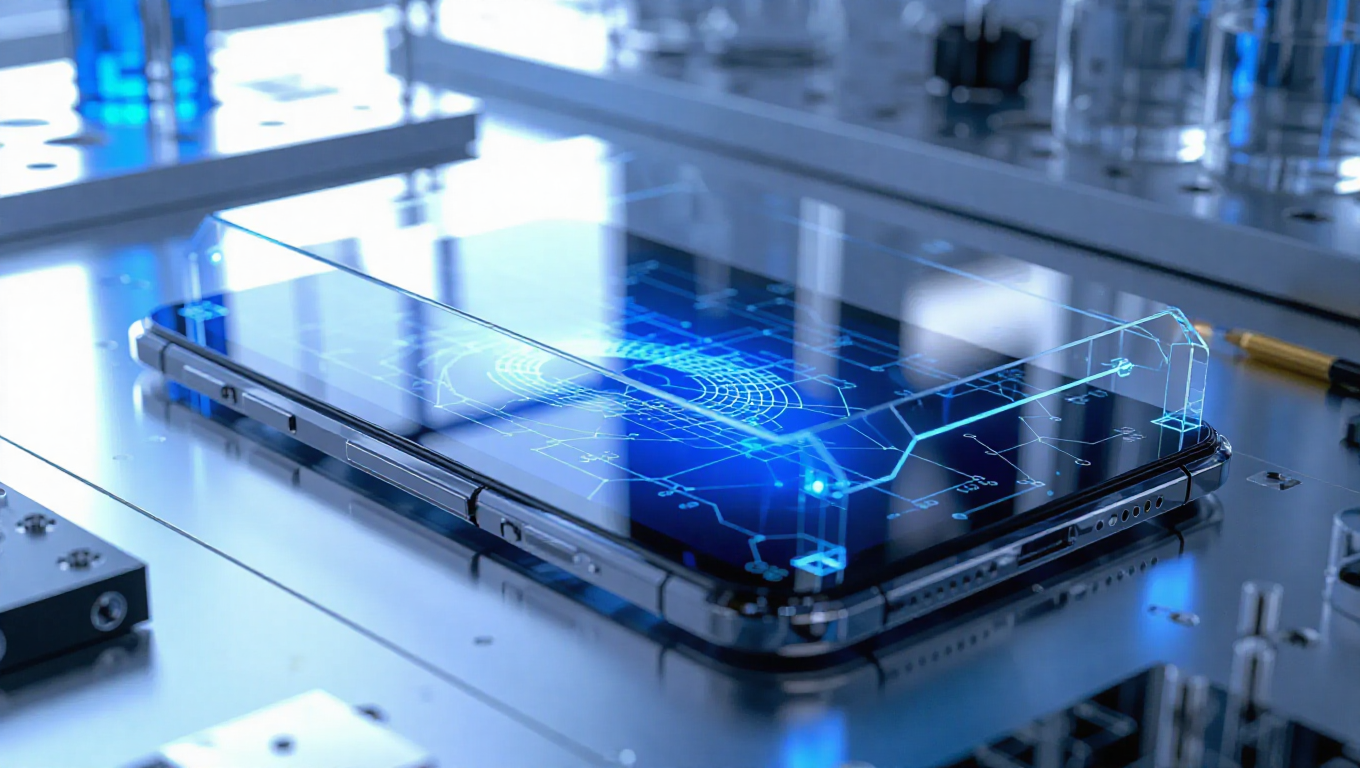
Apple's Potential Strategy for More Durable Foldable Displays
As the foldable smartphone market continues to evolve, Apple appears to be developing its own entry with a focus on durability. While the company has yet to officially confirm any foldable device, industry reports suggest Apple is exploring display materials that could offer significant advantages over existing foldable phones.
Material Choices for Enhanced Durability
Recent information indicates Apple is considering polyimide film as the protective layer for its rumored foldable iPhone's ultra-thin glass display. This material choice represents a potential departure from the polyethylene terephthalate (PET) films commonly used in current foldable devices.
Polyimide films offer several technical advantages that could address durability concerns that have plagued foldable smartphones since their introduction. These films demonstrate higher surface hardness and superior scratch resistance compared to PET alternatives. While more expensive to produce, the enhanced durability could justify the additional cost for a premium device.
Historical Context and Industry Trends
The foldable display market has seen material evolution since the first generation of devices. Early foldable phones experimented with polyimide films before transitioning to PET films in subsequent models. This shift was likely driven by manufacturing considerations and cost optimization.
Apple's potential return to polyimide technology suggests the company may prioritize durability and user experience over manufacturing simplicity. This approach aligns with Apple's historical emphasis on product longevity and premium materials in its device lineup.
Manufacturing Realities and Market Dynamics
Despite potential material differences, the underlying display technology for Apple's foldable device would likely come from established display manufacturers. This means that while Apple might differentiate through material choices, the core display technology would share common origins with existing foldable devices.
The choice of protective film represents one aspect of foldable device engineering, with hinge mechanisms, display coatings, and overall device architecture all contributing to durability. Apple's approach would need to integrate these various elements into a cohesive design that addresses the unique challenges of foldable form factors.
Conclusion
Apple's exploration of polyimide film for its rumored foldable iPhone represents a potential step forward in addressing durability concerns that have limited broader adoption of foldable smartphones. By potentially opting for more robust materials despite higher costs, Apple could differentiate its offering in a market where durability remains a key consumer concern.
The success of this approach would depend on how well the material choice integrates with other engineering decisions and whether the resulting device delivers on both durability and user experience. As the foldable market matures, material innovation will likely play an increasingly important role in determining which devices succeed with consumers.