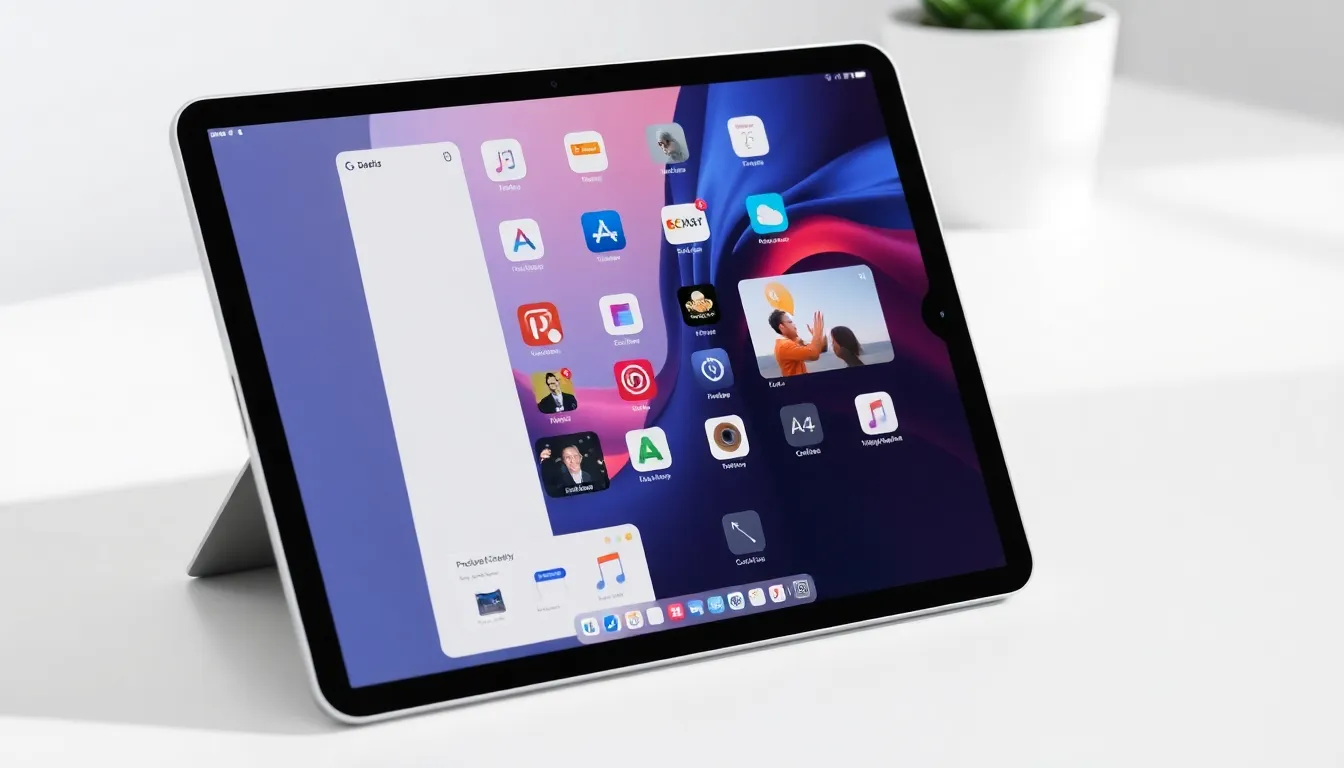
Apple's Latest iPad Air Challenges Android Tablet Dominance with M4 Power
The tablet market has long been divided between Apple's iPad ecosystem and various Android offerings, but Apple's latest iPad Air refresh might be shifting that balance. With significant performance upgrades and enhanced connectivity features, this iteration presents a compelling case for users considering their next tablet purchase.
Performance Leap with M4 Chip
The most notable upgrade in the new iPad Air is the inclusion of Apple's M4 system-on-chip, which delivers approximately 30% faster performance compared to previous generations. This substantial speed boost is complemented by an increase in RAM to 12GB, providing users with smoother multitasking capabilities and better handling of demanding applications. For creative professionals, students, and business users who rely on their tablets for productivity tasks, this performance enhancement could be a deciding factor when comparing tablet options.
Enhanced Connectivity Features
Beyond raw processing power, the new iPad Air introduces significant connectivity improvements that address common limitations in tablet usage. The device now features Wi-Fi 7 support for faster wireless networking, along with Thread support for enhanced smart home integration. These upgrades, combined with cellular connectivity options, make the iPad Air a more versatile device for both mobile and home use scenarios where connectivity is crucial.
Competitive Pricing Strategy
Perhaps most surprisingly, Apple has maintained the same pricing structure despite these upgrades. The 11-inch model remains at $599, while the 13-inch version continues at $799. This pricing consistency makes the upgraded features more accessible and positions the iPad Air competitively against similarly priced Android tablets that may offer different feature sets but lack the integrated Apple ecosystem benefits.
Considerations for Android Tablet Users
For users accustomed to Android's flexibility and customization options, the iPad Air's improvements might warrant reconsideration of platform preferences. The combination of enhanced performance, better connectivity, and access to Apple's extensive app ecosystem creates a package that addresses many common tablet use cases. However, the decision ultimately depends on individual needs, existing device ecosystems, and specific workflow requirements.
Conclusion
Apple's latest iPad Air represents more than just a routine refresh—it's a strategic move that strengthens the device's position in the competitive tablet market. With meaningful performance improvements, enhanced connectivity features, and maintained pricing, it offers a compelling alternative to Android tablets for users prioritizing performance, ecosystem integration, and productivity capabilities. While Android tablets continue to offer unique advantages in customization and flexibility, the iPad Air's latest iteration demonstrates Apple's commitment to maintaining its tablet leadership through substantive upgrades rather than mere cosmetic changes.