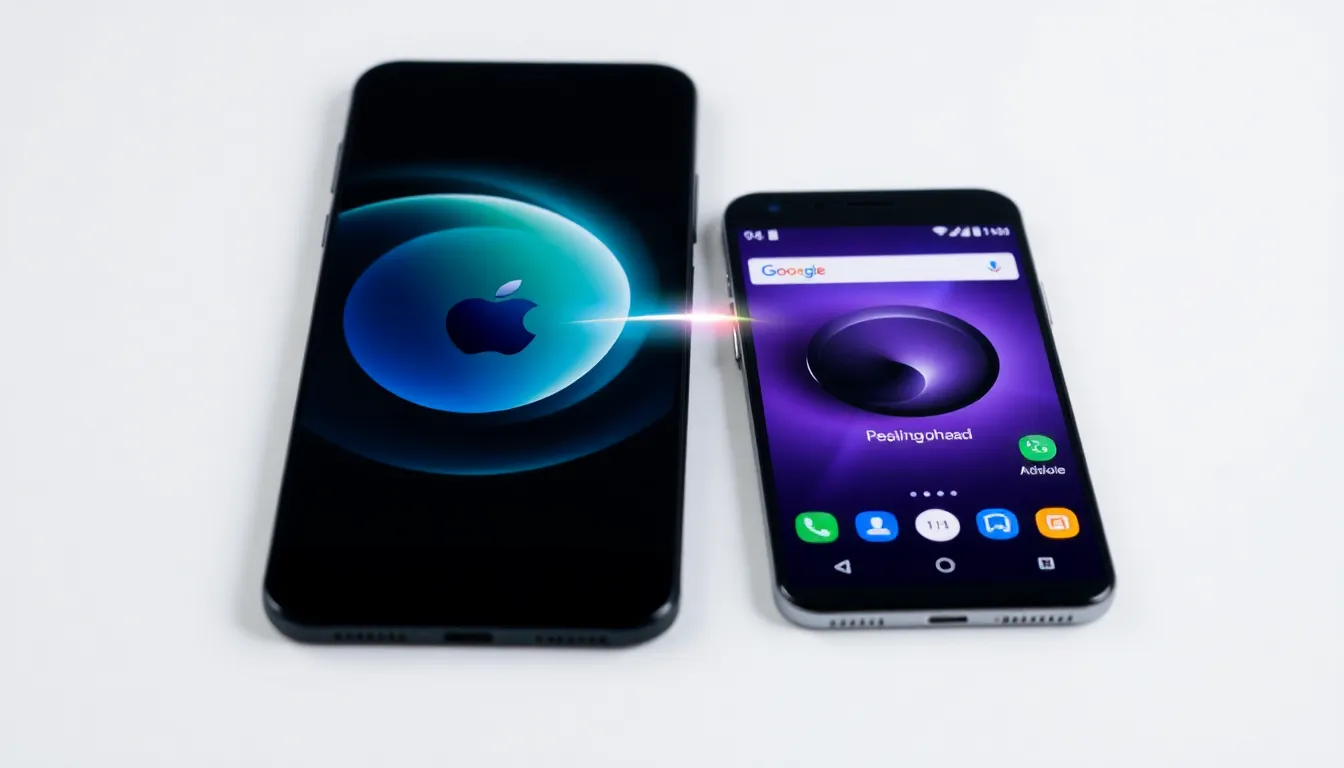
Apple's Latest Beta Simplifies iPhone-to-Android Migration
In a notable development for mobile interoperability, Apple's latest iOS 26.3 beta introduces a feature designed to significantly ease the process of switching from an iPhone to an Android device. This move addresses a long-standing pain point for users considering a platform change, potentially lowering the barrier to entry for Android adoption among iPhone users.
A Streamlined Transfer Process
The core of the new feature is a tool that initiates a migration by simply placing the iPhone near the target Android phone. Once the devices connect, the system facilitates the transfer of various data types. This includes personal media like photos, application data, saved passwords, and even the user's phone number. The process aims to be more direct and efficient than previous methods, which often required multiple steps, cloud services, or third-party applications and could be time-consuming.
This development is seen as a pragmatic step by Apple, acknowledging the reality of a competitive mobile ecosystem. By reducing friction for users who might consider switching, the company may be aiming to foster goodwill or simply respond to user demand for easier data portability. The feature's inclusion in a beta suggests Apple is actively testing and refining the user experience for cross-platform transitions.
Implications for the Mobile Landscape
The introduction of this tool could have several implications. For consumers, it represents greater freedom and flexibility, making the choice between iOS and Android less about being locked into an ecosystem and more about preferring the specific features, design, or cost of a device. It potentially empowers users to switch based on what best suits their needs at any given time without the daunting prospect of losing their digital life.
For the industry, it highlights a trend toward improving interoperability between competing platforms. While Apple and Google have made strides in areas like messaging with RCS adoption, seamless device switching has remained a hurdle. This move could pressure other manufacturers to further simplify their own migration tools, leading to a more user-centric market overall. However, it remains to be seen how comprehensive the final transfer process will be and whether it will cover all data types users deem critical.
Conclusion
Apple's new migration tool in the iOS 26.3 beta marks a significant, user-friendly shift in how the company approaches platform loyalty. By simplifying the exit from its ecosystem, Apple is not only addressing a common user complaint but also subtly reinforcing the strength of its platform—suggesting that user retention should be based on preference, not on the difficulty of leaving. As the feature moves from beta to a public release, it will be closely watched to see if it delivers on its promise of a truly painless switch and how it influences consumer behavior in the fiercely competitive smartphone market.