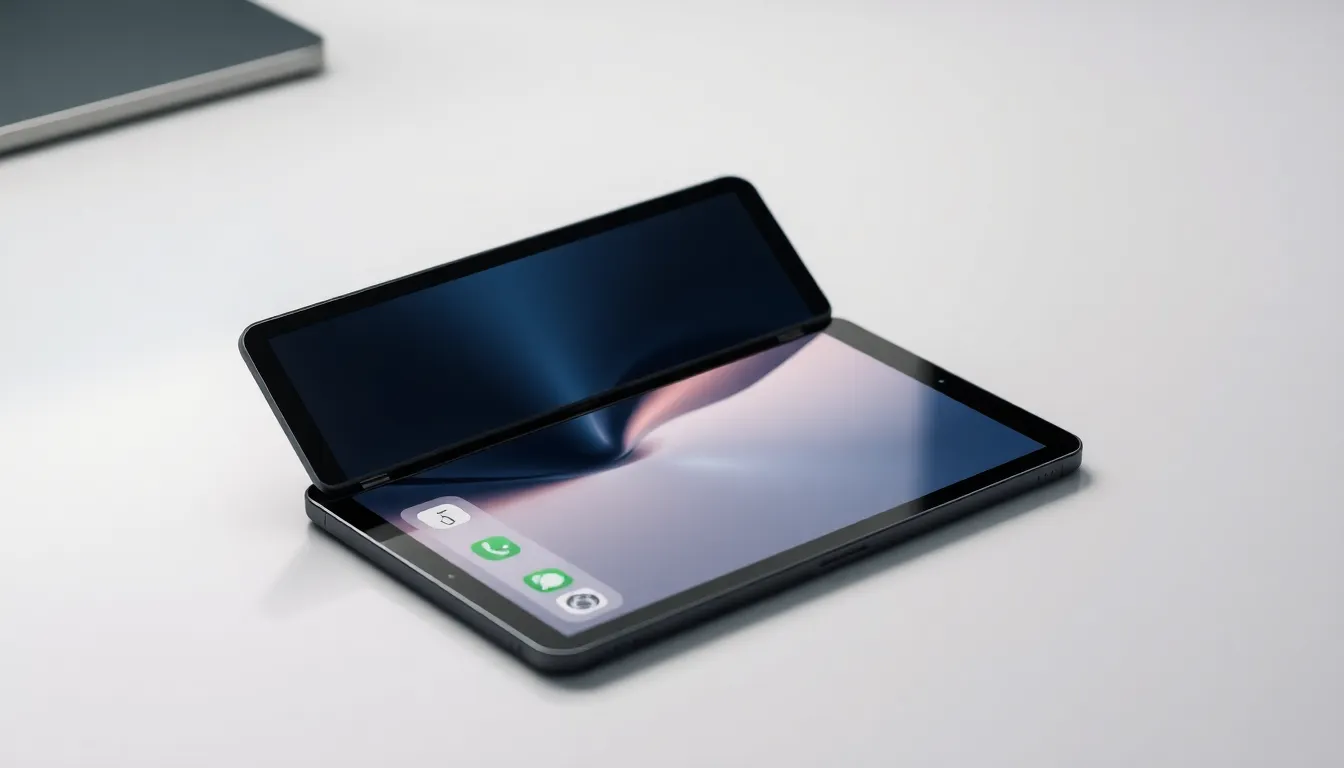
Apple's iPhone Fold to Feature iPad-Inspired Interface on Inner Display
Apple's long-rumored entry into the foldable smartphone market is taking shape with new details emerging about its software experience. The device, tentatively referred to as the iPhone Fold, is expected to bridge the gap between iPhone and iPad with a unique interface approach.
iPad-Like Experience on a Foldable Display
The foldable's inner display, reportedly similar in size to an iPad mini, will support iPad-inspired layouts and side-by-side app functionality. This represents a significant departure from traditional smartphone interfaces, offering users more screen real estate for productivity tasks while maintaining the familiar iOS ecosystem.
Despite the tablet-like interface elements, the device will not run iPadOS. Instead, it will operate on iOS with enhanced multitasking capabilities. The interface will include iPad-style sidebars and improved app layouts optimized for the larger display, but will not support windowed multitasking or run native iPad applications.
Technical Specifications and Design
The iPhone Fold is said to incorporate advanced display technology designed to minimize the visible crease that plagues many foldable devices. This technology aims to improve both visual appearance and long-term durability. The device is expected to feature a hole-punch camera on both the cover display and inner screen, along with a dual rear camera setup.
Additional hardware features reportedly include a Touch ID sensor integrated into the power button, providing biometric authentication alongside Face ID. The device may launch under the iPhone Ultra branding, though this remains unconfirmed.
Market Implications and Release Timeline
Apple's entry into the foldable market represents a significant shift in smartphone design philosophy. By adapting iOS rather than porting iPadOS, Apple appears to be creating a distinct product category that maintains iPhone's core identity while expanding functionality.
The device is rumored to launch later this year, potentially alongside other iPhone models. Its success could influence how other manufacturers approach foldable software interfaces, particularly in balancing smartphone convenience with tablet productivity.
Conclusion
The iPhone Fold represents Apple's cautious yet innovative approach to foldable technology. By offering iPad-like interface elements while maintaining iOS compatibility, Apple appears to be targeting users who want expanded productivity capabilities without leaving the iPhone ecosystem. As development continues, the final implementation of these interface features will determine whether Apple can deliver a truly seamless foldable experience that justifies what will likely be a premium price point.