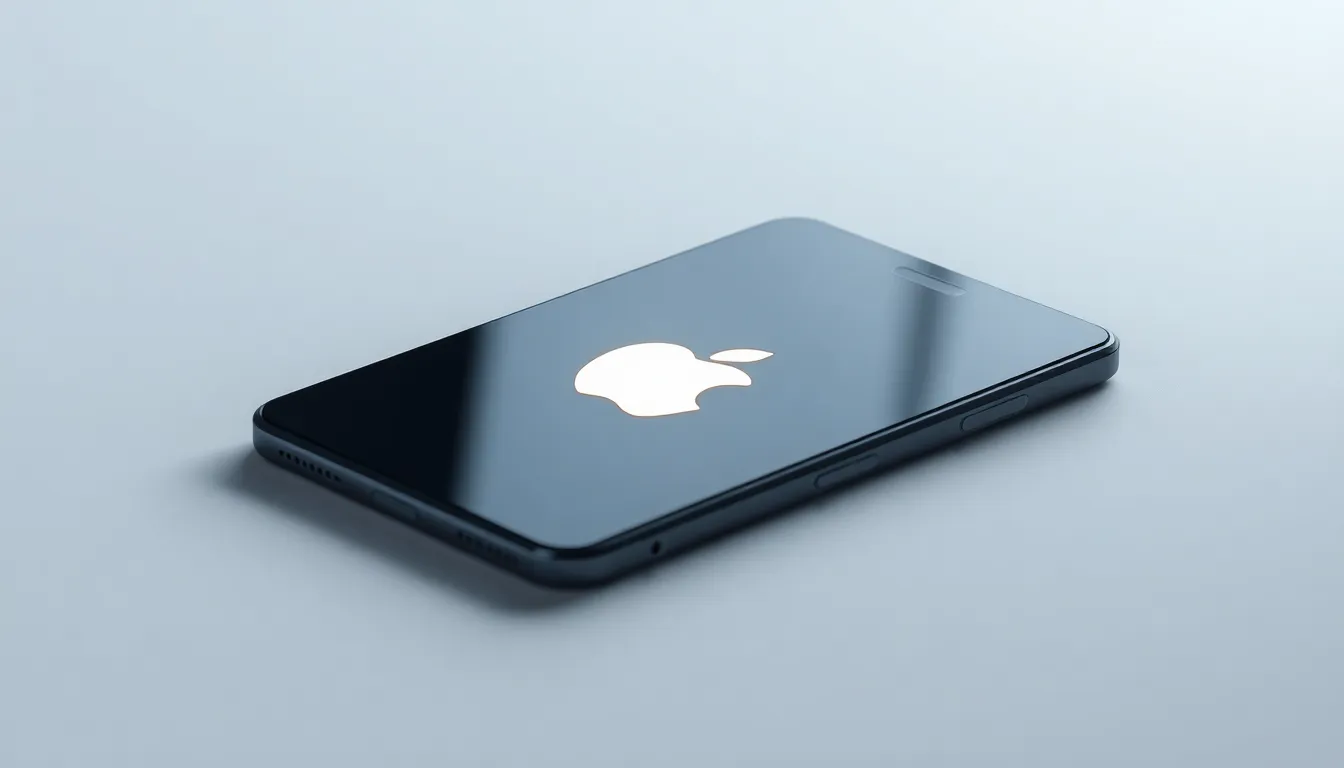
Apple's iPhone Fold Strategy: Aggressive Pricing and Limited Supply to Challenge Samsung
The foldable smartphone market, long dominated by Samsung since its 2019 entry, may soon face its most significant challenger yet. Apple is reportedly preparing its first foldable iPhone, tentatively dubbed the iPhone Fold, with a launch anticipated in the latter half of 2026. Industry whispers now point to a surprisingly aggressive market entry strategy designed to counter Samsung's established dominance from day one.
A Price Point to Match the Competition
Initial speculation had placed the first-generation iPhone Fold at a premium of around $2,399, a significant step above Samsung's current Galaxy Z Fold lineup. However, recent rumors indicate a strategic pivot. Apple may instead price its debut foldable device at approximately $1,999. This price would likely align directly with the expected cost of Samsung's Galaxy Z Fold 8, which is projected to be the contemporary model when the iPhone Fold arrives.
This potential pricing maneuver is seen as a direct challenge to Samsung's value proposition. By matching the price of a mature, multi-generational competitor, Apple aims to eliminate a key barrier for customers considering the switch. Analysts note that this aggressive pricing could even result in Apple taking a loss on each unit sold initially, a calculated sacrifice to rapidly build market presence and consumer familiarity with its foldable ecosystem.
Controlled Availability to Fuel Demand
Beyond competitive pricing, reports suggest Apple may also tightly control the supply of the iPhone Fold at launch. Availability is expected to be limited initially, with a more robust supply chain ramping up through 2027. This tactic serves a dual purpose: it manages the complexities of launching a new, intricate product category while simultaneously cultivating market hype and a perception of exclusivity.
This "controlled launch" strategy is not without precedent in the foldable space. Samsung itself has employed similar tactics with niche products like its rumored Galaxy Z Trifold, releasing them in extremely limited quantities and select markets. Apple's potential adoption of this approach suggests a keen awareness of the market dynamics and a desire to ensure a successful, manageable debut rather than a widespread but potentially problematic rollout.
The Battle for Foldable Supremacy Heats Up
The anticipated 2026 launch of the iPhone Fold represents a pivotal moment for the smartphone industry. Samsung has spent years refining its foldable technology, design, and software integration. Apple's entry, backed by its formidable brand loyalty and integrated ecosystem, promises to legitimize the foldable form factor for a massive, mainstream audience that has so far remained cautious.
By potentially entering the market with a price-competitive device and a supply-constrained launch, Apple appears to be crafting a strategy focused on making a strong first impression and establishing a foothold. The goal seems less about immediate, massive sales volume and more about signaling serious commitment, challenging the incumbent on price, and carefully managing the complexities of a new product line. If these rumors hold, the battle for foldable phone leadership between these two tech giants is set to become the industry's defining narrative in the coming years.