Apple's iPhone Fold May Echo a Decade-Old Samsung Concept
As Apple prepares to potentially launch its first foldable iPhone, analysis of recent leaks reveals a surprising historical parallel: the device's rumored form factor appears to align closely with a Samsung concept showcased over ten years ago, suggesting that the ideal foldable design may have been envisioned long before the technology was ready for mass production.
The Genesis of a Foldable Vision
In 2013, at the Consumer Electronics Show (CES), Samsung presented a marketing video featuring a foldable phone concept. At the time, foldable displays were not commercially viable, making the device a speculative glimpse into the future rather than a tangible product. This concept, which predated Samsung's own Galaxy Fold by six years, outlined a form factor with a specific aspect ratio aimed at enhancing usability for media consumption and multitasking.
Fast forward to the present, and foldable phones have evolved from conceptual experiments to mainstream devices, with multiple form factors now available in the market. Samsung has iterated through several generations, including the Flip, Fold, and TriFold models, each refining the user experience based on technological advancements and consumer feedback.
Modern Rumors and Historical Echoes
Recent industry rumors indicate that Apple is developing its inaugural foldable iPhone, expected to debut in the near future. Concurrently, Samsung is reportedly working on a new design dubbed the "Galaxy Wide Fold," which is said to feature a wider aspect ratio compared to current models, optimizing it for video viewing and general content consumption.
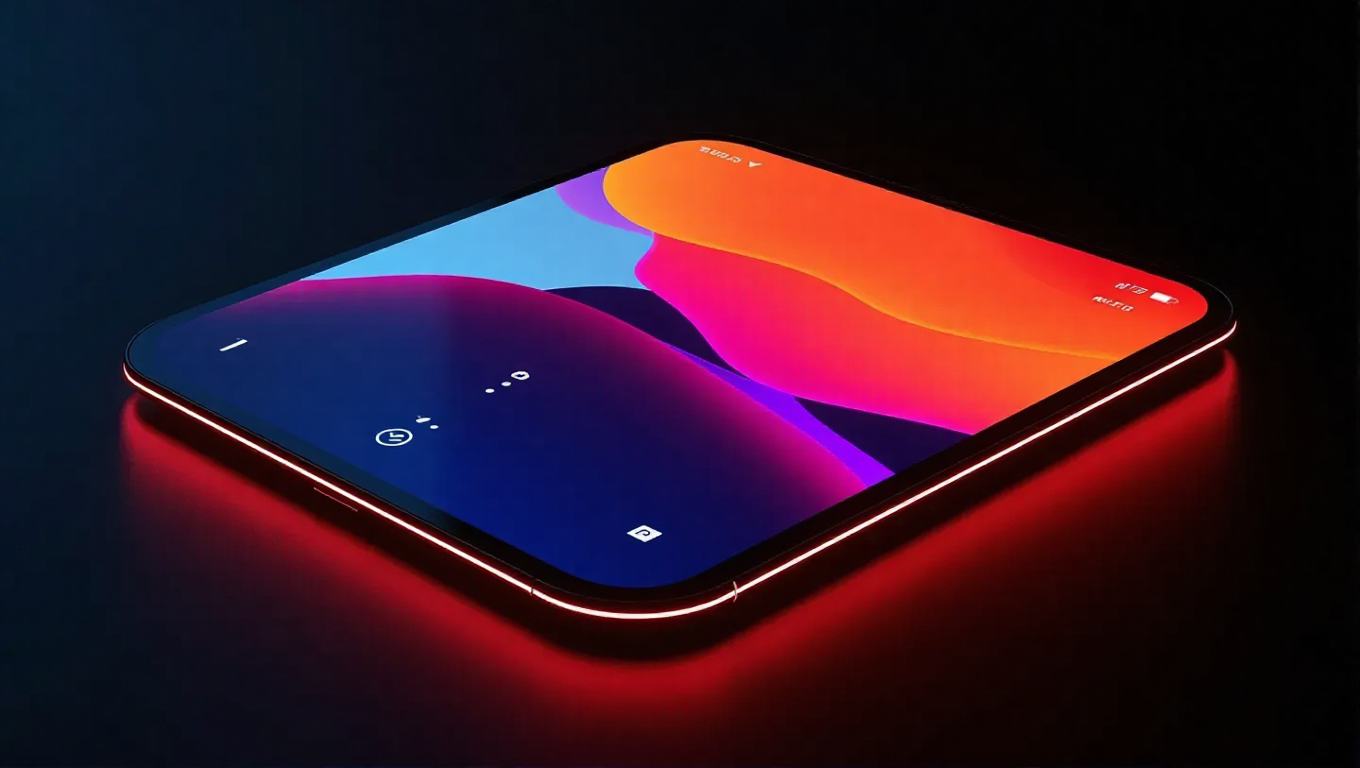
Intriguingly, leaks suggest that Apple's foldable iPhone might adopt a similar aspect ratio and form factor to both the upcoming Galaxy Wide Fold and the 2013 Samsung concept. This alignment raises questions about design convergence in the foldable segment, where practical considerations for display usability may lead to standardized proportions across manufacturers.
If these rumors hold true, Apple's entry into the foldable market would not only mark a significant expansion of its product lineup but also validate a design philosophy that was first publicly floated over a decade ago. The persistence of this form factor in rumors highlights its enduring appeal, potentially offering a balance between portability and screen real estate that resonates with users.
Technological Evolution and Market Readiness
The journey from concept to commercial product in the foldable space has been gradual, driven by advancements in flexible display technology, hinge mechanisms, and software optimization. Samsung's early vision, as seen in the 2013 concept, demonstrated foresight into consumer needs, but it required years of engineering breakthroughs to become feasible.
Apple's rumored device is expected to benefit from these cumulative innovations, potentially offering a refined experience that addresses early adopters' concerns about durability and usability. However, the final verdict on its success will depend on execution, including factors like price, software integration, and overall reliability, which remain to be seen upon release.
Conclusion
The potential launch of Apple's iPhone Fold represents a pivotal moment in the smartphone industry, bridging a gap between historical innovation and contemporary technology. If the device indeed mirrors the proportions of Samsung's 2013 concept, it would underscore how foundational ideas in tech can resurface years later, shaped by evolving capabilities. This scenario highlights the iterative nature of design in the foldable market, where early visions may finally materialize as mature products, offering consumers new ways to interact with their devices. As the foldable segment continues to expand, such historical parallels remind us that breakthrough ideas often require patience and persistence to become reality.