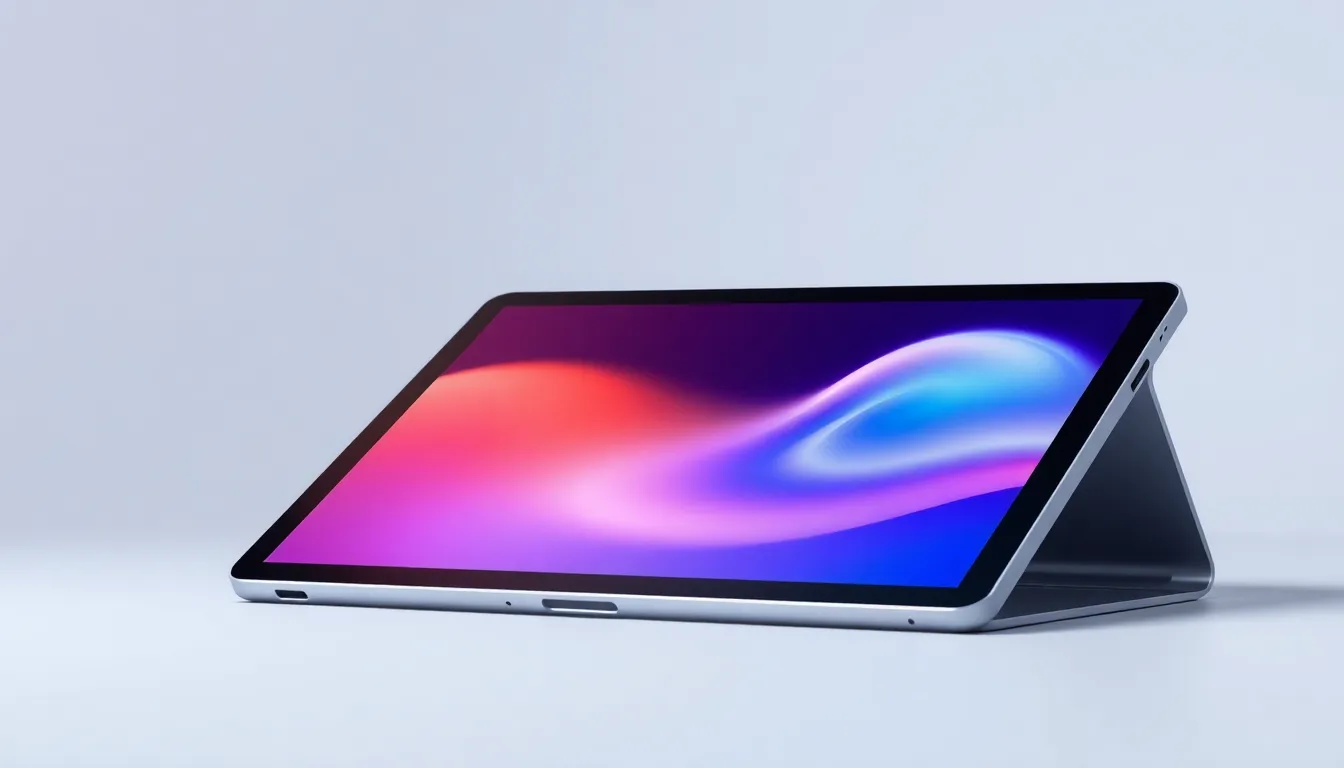
Apple's Foldable iPhone: The Pocket iPad Theory Explained
As Apple prepares to enter the foldable device market, emerging information suggests the company may be taking a fundamentally different approach than competitors. Rather than creating another iteration of the traditional foldable smartphone, Apple appears to be developing what could essentially function as a pocket-sized iPad.
A Departure from Conventional Foldable Design
Recent renders and specifications indicate Apple's foldable device will feature a distinctive 4:3 aspect ratio, making it significantly wider and shorter than current foldable smartphones on the market. When closed, the device reportedly measures approximately 5.5 inches, but when unfolded, it expands to a 7.8-inch display. This design choice represents a clear departure from the tall, narrow form factors popularized by competitors.
The 4:3 aspect ratio is particularly notable because it mirrors the proportions of Apple's iPad lineup rather than the elongated screens found on modern iPhones. This suggests Apple may be prioritizing tablet-like functionality over traditional smartphone use cases.
The iPad Mini Connection
The 7.8-inch display size places Apple's foldable device remarkably close to the 8.3-inch iPad mini, leading to speculation that Apple may be creating a foldable version of its smallest tablet. This approach would address one of the iPad mini's primary limitations—its inability to fit comfortably in pockets—while maintaining the productivity benefits of a larger screen.
Reports indicate the device may run a modified version of iOS optimized for this unique form factor. The wider screen could better accommodate iPadOS-style multitasking and app layouts, potentially blurring the line between smartphone and tablet functionality.
Practical Benefits of the Wider Design
The 4:3 aspect ratio offers several practical advantages beyond simply mimicking iPad proportions. For media consumption, the wider screen would significantly reduce black bars when watching movies and videos compared to square-shaped foldables. This could provide a more immersive viewing experience without the letterboxing common on current foldable devices.
Additionally, the landscape-oriented design may enhance productivity applications, allowing for better side-by-side multitasking and more comfortable typing experiences. The wider cover screen could also prove more functional for quick tasks without needing to unfold the device.
Strategic Positioning in the Market
By positioning its foldable device as more of a pocket iPad than a traditional smartphone, Apple may be seeking to differentiate itself in a market where competitors have focused primarily on phone-first designs. This approach could allow Apple to target productivity-focused users who want tablet capabilities in a portable form factor, rather than competing directly with established foldable smartphones.
The device's rumored specifications and design suggest Apple is prioritizing a seamless transition between compact portability and expanded productivity, potentially creating a new category that bridges the gap between iPhone and iPad.
Conclusion
Apple's rumored foldable device appears to represent more than just another entry in the foldable smartphone market. With its iPad-like proportions and focus on productivity features, the device seems designed to function as a pocket-sized tablet that can make calls rather than a traditional smartphone that folds. This approach could allow Apple to leverage its strengths in tablet software and ecosystem integration while addressing the portability limitations of current tablets.
As development continues, the industry watches to see whether Apple's "pocket iPad" theory will redefine expectations for foldable devices or create an entirely new product category that blends the best of smartphones and tablets in a uniquely portable form factor.