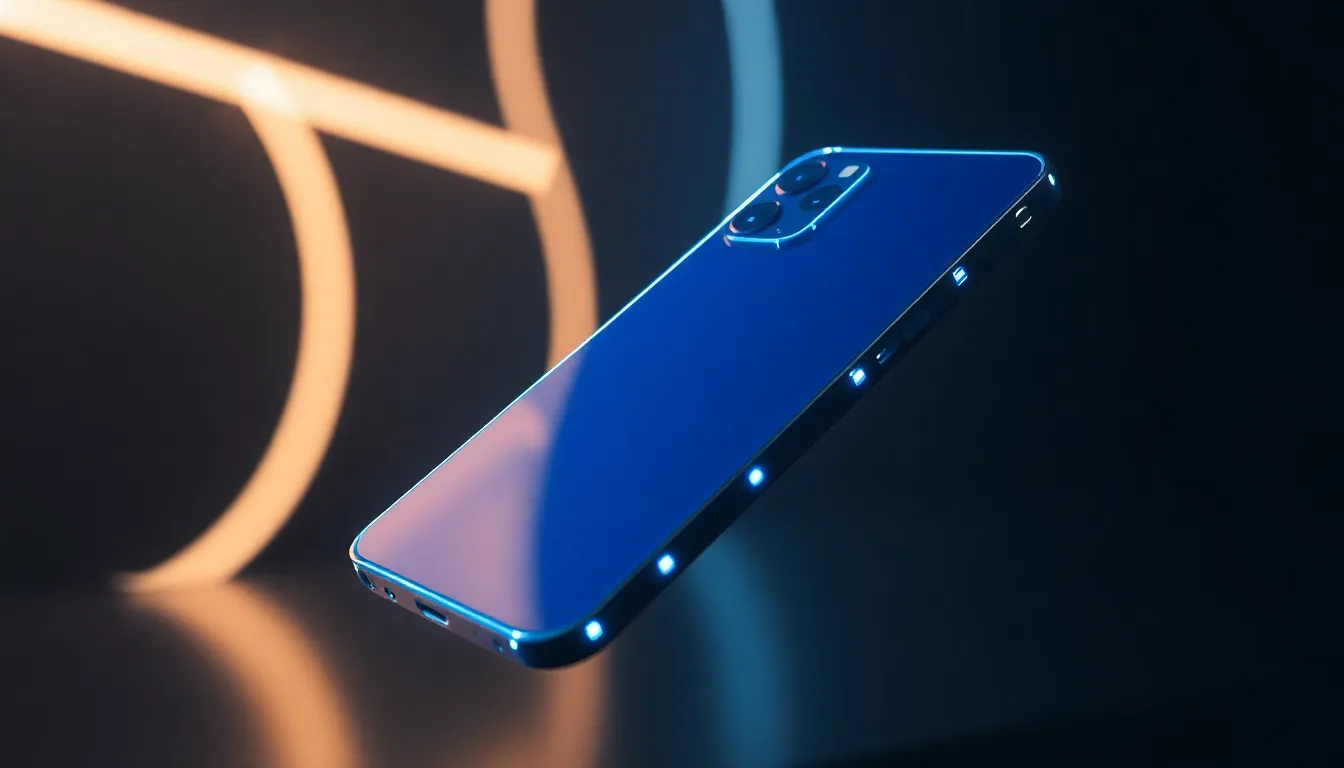
Apple Reportedly Testing 200MP Camera Sensor for Future iPhone Models
Apple may be preparing a significant leap in smartphone photography with a 200-megapixel camera sensor currently under evaluation for future iPhone releases. This development comes as Android manufacturers have already established 200MP cameras as a premium feature in their flagship devices.
Evaluating High-Resolution Photography
According to industry sources, Apple is testing a 1/1.12-inch 200MP sensor that would serve as the primary rear camera rather than a telephoto lens. This sensor size matches what is expected in upcoming Android flagships, suggesting Apple is evaluating similar hardware capabilities to remain competitive in the high-end smartphone photography market.
The testing phase indicates Apple is seriously considering adopting higher-resolution sensors after years of maintaining more conservative megapixel counts. While Android devices have featured 200MP cameras for multiple generations, Apple has focused on computational photography and sensor optimization rather than raw megapixel increases.
Timing and Implementation
The sensor is reportedly expected to become commercially available next year, though this doesn't guarantee its inclusion in the immediate next iPhone generation. Apple typically evaluates multiple components and technologies before finalizing hardware decisions, often testing features well in advance of actual implementation.
This evaluation comes as competing manufacturers like vivo have already confirmed dual 200MP camera setups in upcoming devices, while Oppo is rumored to feature similar high-resolution sensors. The smartphone photography landscape continues to evolve, with manufacturers pushing both hardware specifications and computational photography capabilities.
Strategic Considerations
Apple's potential move toward higher megapixel counts represents a strategic shift in camera philosophy. The company has historically emphasized sensor quality, pixel size, and computational photography over raw resolution numbers. A 200MP sensor would allow for significant cropping flexibility, improved digital zoom capabilities, and potentially better low-light performance through pixel binning techniques.
The evaluation also suggests Apple is monitoring competitive developments closely. With Android manufacturers establishing 200MP cameras as a premium feature, Apple may feel pressure to match these specifications while maintaining its reputation for superior image processing and user experience.
Conclusion
While still in the testing phase, Apple's evaluation of a 200MP camera sensor signals potential changes in iPhone photography strategy. The company appears to be exploring ways to close the megapixel gap with Android competitors while maintaining its signature approach to computational photography. As smartphone photography continues to be a key differentiator in the premium market, Apple's eventual decision on high-resolution sensors will significantly impact the competitive landscape and user expectations for mobile photography capabilities.
Consumers should note that testing doesn't guarantee implementation, and Apple frequently evaluates technologies that never reach production. However, the mere evaluation of 200MP sensors indicates the company is seriously considering higher-resolution photography as part of its future iPhone camera strategy.