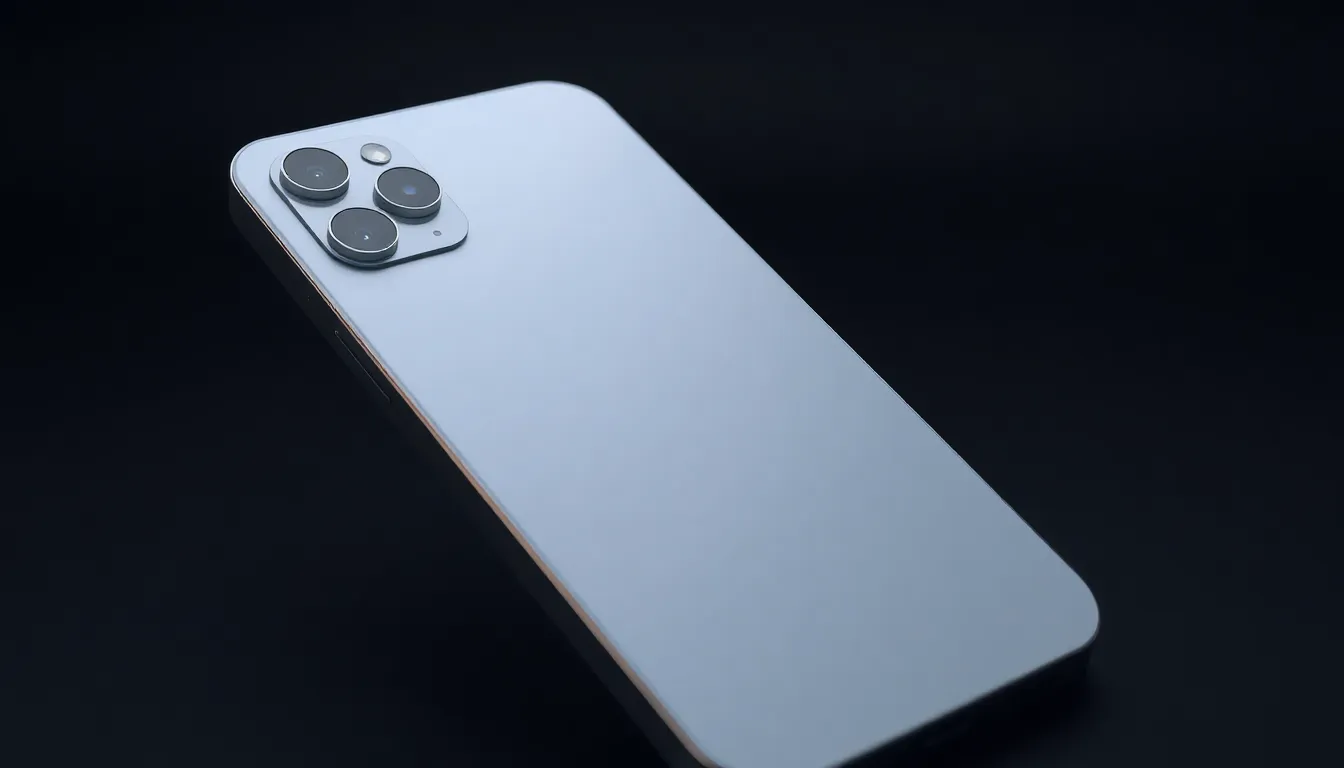
Apple Reportedly Testing 200MP Camera for Future iPhones Following Industry Trend
The smartphone camera resolution race appears poised for another leap, with indications that Apple may be preparing to join the 200-megapixel club. While Samsung pioneered the consistent use of 200MP sensors in flagship devices, and several Chinese manufacturers have followed suit, Apple has remained with lower-resolution primary sensors, focusing instead on computational photography and larger pixel sizes. Recent developments suggest this strategy might be evolving.
Testing a High-Resolution Future
Information circulating in tech circles indicates that Apple has begun internal testing of a 200MP camera sensor for the primary camera on future iPhone models. The sensor in question is believed to be the Sony LYTIA 901, which features a 1/1.12-inch optical format. This sensor size is notably larger than the 1/1.3-inch 200MP sensors currently employed in some competing Android flagships, potentially offering advantages in light capture and image quality, particularly in low-light conditions.
The move would represent a significant shift for Apple, which has historically prioritized sensor size and pixel quality over sheer megapixel count. The company's current flagship iPhones utilize a 48MP main sensor, leveraging pixel-binning technology to combine data from multiple pixels into one for improved detail and dynamic range in typical shooting scenarios. A jump to 200MP would provide substantially more raw data for Apple's image signal processor and computational photography algorithms to work with, potentially enabling new levels of detail, zoom capabilities, and post-capture flexibility.
Following an Established Path
Samsung's Galaxy S Ultra series has featured a 200MP primary camera since the S23 Ultra, establishing a benchmark for ultra-high-resolution mobile photography. Chinese brands like Xiaomi, Honor, and OPPO have also incorporated 200MP sensors into various models, often in primary or periscope telephoto roles. The rumored sensor Apple is testing is reportedly the same solution slated for the OPPO Find X9 Ultra, highlighting the component sharing common in the industry.
This trend suggests that the initial move toward ultra-high-resolution sensors was strategically sound, pushing the boundaries of what smartphone cameras can capture. The competition is not standing still; Samsung is rumored to be preparing an upgraded 200MP sensor with newer technologies for its future Galaxy S Ultra models, while also reportedly developing an even larger 1/1.12-inch 200MP ISOCELL sensor for later deployment. Furthermore, both Apple's and Samsung's next-generation flagships are anticipated to introduce variable aperture systems for their main cameras, adding another layer of photographic control.
Implications for the Market
If Apple proceeds with a 200MP camera, it would signal a convergence in one key hardware specification among top-tier smartphones. The focus would then intensify on the software and silicon that processes the massive image files. Apple's strength has long been the deep integration between its custom-designed A-series chips, iOS, and the camera system. A 200MP sensor would be a formidable tool in that ecosystem, potentially enabling computational photography features that leverage the extreme resolution for superior digital zoom, enhanced night mode, or advanced pro-grade editing options.
Such a move would also increase pressure on competitors to not only match the resolution but also continue innovating in sensor size, lens quality, and image processing. The industry narrative may shift from a "megapixel war" to a more holistic "imaging system war," where resolution is just one component alongside sensor size, lens design, aperture control, and computational prowess.
Conclusion
While still in the realm of rumor and testing, the possibility of a 200MP iPhone camera marks a potential inflection point for mobile photography. It represents Apple potentially adopting a hardware strategy already proven in the market, while aiming to surpass it through its signature integration and computational advantages. For consumers, the outcome would be a new generation of smartphones capable of capturing staggering detail, pushing the boundaries further toward making dedicated cameras unnecessary for all but the most specialized tasks. The next phase of the camera competition appears to be focusing on making the most of those massive megapixel counts.