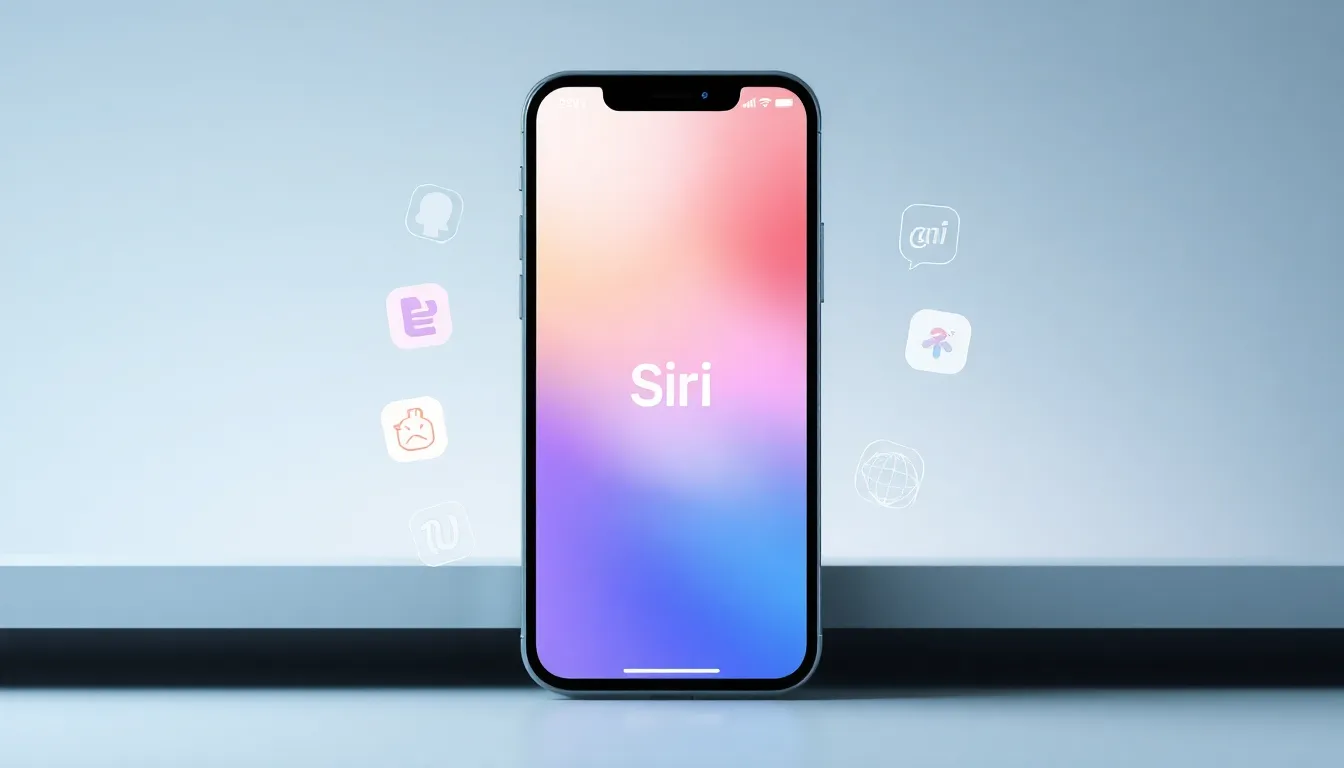
Apple Opens Siri to Third-Party AI in iOS 27, Embracing Android-Like Flexibility
In a significant shift from its traditionally closed ecosystem approach, Apple is reportedly planning to open its Siri voice assistant to third-party artificial intelligence services in the upcoming iOS 27 update. This move represents a notable departure from Apple's historical strategy of maintaining tight control over its core software experiences.
A New Era of AI Choice on iPhone
Reports indicate that Apple is developing an "Extensions" system that would allow users to select which AI handles their queries through Siri. This means popular AI assistants like Google's Gemini, Anthropic's Claude, and other App Store chatbots could potentially integrate directly with Siri, giving iPhone users unprecedented choice in how they interact with artificial intelligence on their devices.
Currently, Siri operates primarily within Apple's ecosystem, with only limited queries being routed to external AI services like ChatGPT for more complex questions. The proposed change would fundamentally alter this dynamic, transforming Siri from a standalone assistant into a platform that can leverage multiple AI engines based on user preference and query type.
Strategic Implications for the AI Landscape
This development comes at a critical juncture in the AI arms race, where major tech companies are competing to establish dominance in conversational AI. By opening Siri to third-party integration, Apple could position itself as a neutral platform in this competition while potentially accelerating AI innovation across its ecosystem.
The move appears strategically timed to capitalize on Google's established position in the AI space. With Gemini already integrated across Android devices and Google's services, Apple's decision to potentially welcome Google's AI onto iOS devices represents a pragmatic acknowledgment of the current AI landscape and user expectations.
User Experience and Privacy Considerations
While the technical implementation details remain unclear, the potential benefits for users are substantial. iPhone owners could theoretically choose their preferred AI assistant for different types of tasks—using one service for creative writing, another for coding assistance, and Apple's own AI for privacy-sensitive queries.
However, this openness raises important questions about data privacy and security. Apple will need to establish robust frameworks to ensure that third-party AI integrations maintain the privacy standards that have become a hallmark of Apple's ecosystem. How Apple balances openness with its commitment to user privacy will be a critical factor in the implementation's success.
Conclusion: A Watershed Moment for Apple's Ecosystem
Apple's reported decision to open Siri to third-party AI represents a watershed moment in the company's approach to its software ecosystem. By embracing a more open model reminiscent of Android's flexibility, Apple acknowledges the rapid evolution of AI technology and the diverse preferences of its user base.
This strategic pivot could redefine how users interact with AI on mobile devices, potentially creating a more competitive and innovative environment. As iOS 27 development progresses, the industry will be watching closely to see how Apple implements this significant shift while maintaining the seamless user experience and privacy protections that have defined its products.