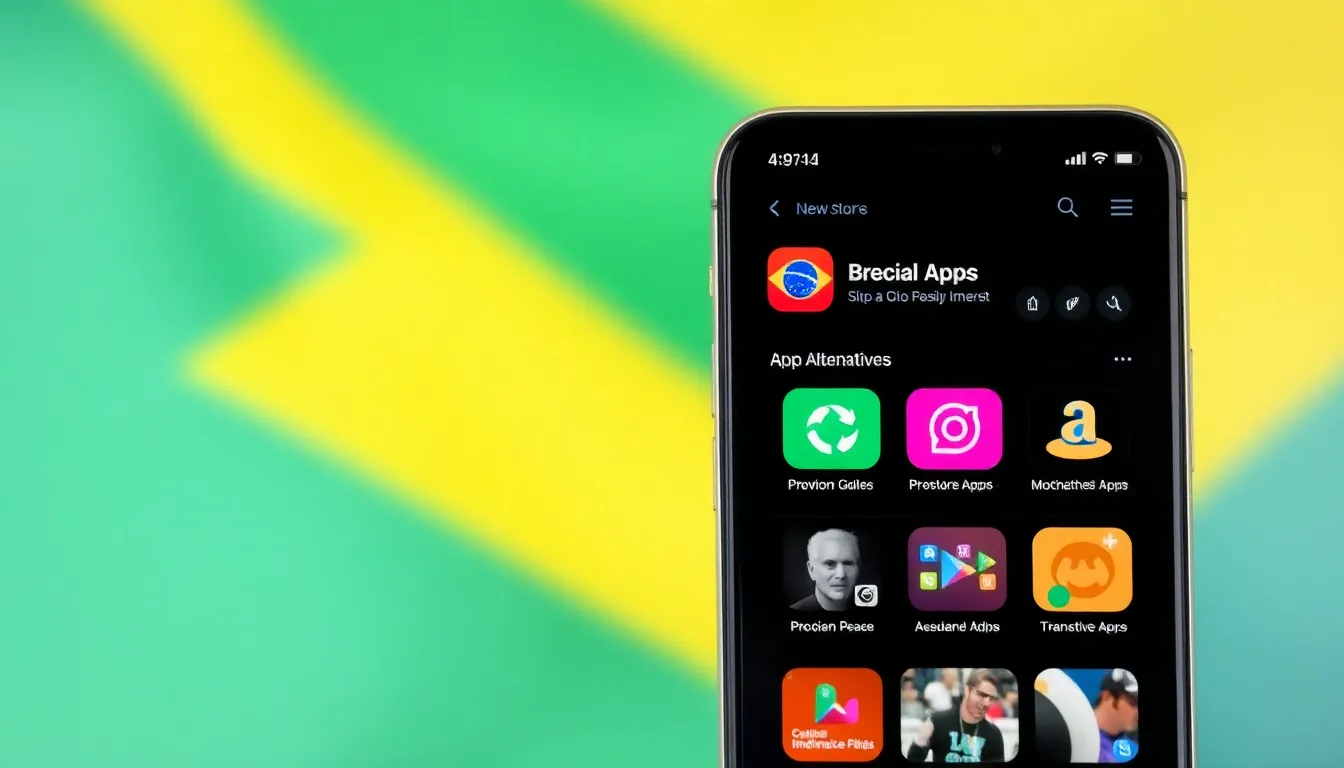
Apple Opens iOS in Brazil: iPhone Users Gain Access to Third-Party App Stores and Payments
In a significant policy shift, Apple has agreed to allow iPhone users in Brazil to download applications and purchase digital services outside its proprietary App Store ecosystem. This move follows regulatory pressure and aligns with similar changes implemented in other regions, signaling a broader evolution in how Apple manages its iOS platform globally.
Regulatory Agreement and Implementation Timeline
The decision comes as part of an agreement with Brazil's Administrative Council for Economic Defense (CADE), which had been investigating Apple's app distribution practices since December 2022. The regulatory body has approved Apple's proposed remedies, requiring the company to implement changes within 105 days. This binding agreement will remain in effect for three years, providing Brazilian consumers and developers with alternative options for app distribution and payment processing.
Under the terms of the agreement, Apple will permit developers to accept payments through systems outside the App Store's payment infrastructure. Additionally, third-party app stores will be allowed to operate on iOS devices in Brazil, breaking Apple's longstanding monopoly on app distribution for iPhones in the country. This represents a substantial departure from Apple's traditional "walled garden" approach, where all app downloads and in-app purchases were required to go through Apple's controlled ecosystem.
Global Context and Implications
Brazil's regulatory action follows similar moves by the European Union, which implemented the Digital Markets Act requiring major tech platforms to open their ecosystems to competition. The Brazilian investigation began after observing the EU's successful implementation of such policies, suggesting a growing international trend toward requiring greater platform openness from dominant technology companies.
The changes are expected to benefit both consumers and developers in Brazil. Consumers may gain access to a wider variety of applications and potentially lower prices due to reduced commission fees, while developers could benefit from more flexible distribution options and payment systems. However, questions remain about how Apple will implement security measures for third-party app stores and what specific requirements developers will need to meet to distribute apps outside the official App Store.
Conclusion
Apple's agreement to open iOS to third-party app stores and payment systems in Brazil represents a landmark development in the ongoing global debate about platform control and competition. As regulatory pressure mounts in various jurisdictions, Apple appears to be adapting its policies regionally rather than maintaining a uniform global approach. The Brazilian implementation, scheduled to begin within the next few months, will provide valuable insights into how such openness affects user experience, developer opportunities, and platform security in practice. This development suggests that the era of completely closed mobile ecosystems may be giving way to more nuanced, region-specific approaches that balance platform control with regulatory requirements and market competition.