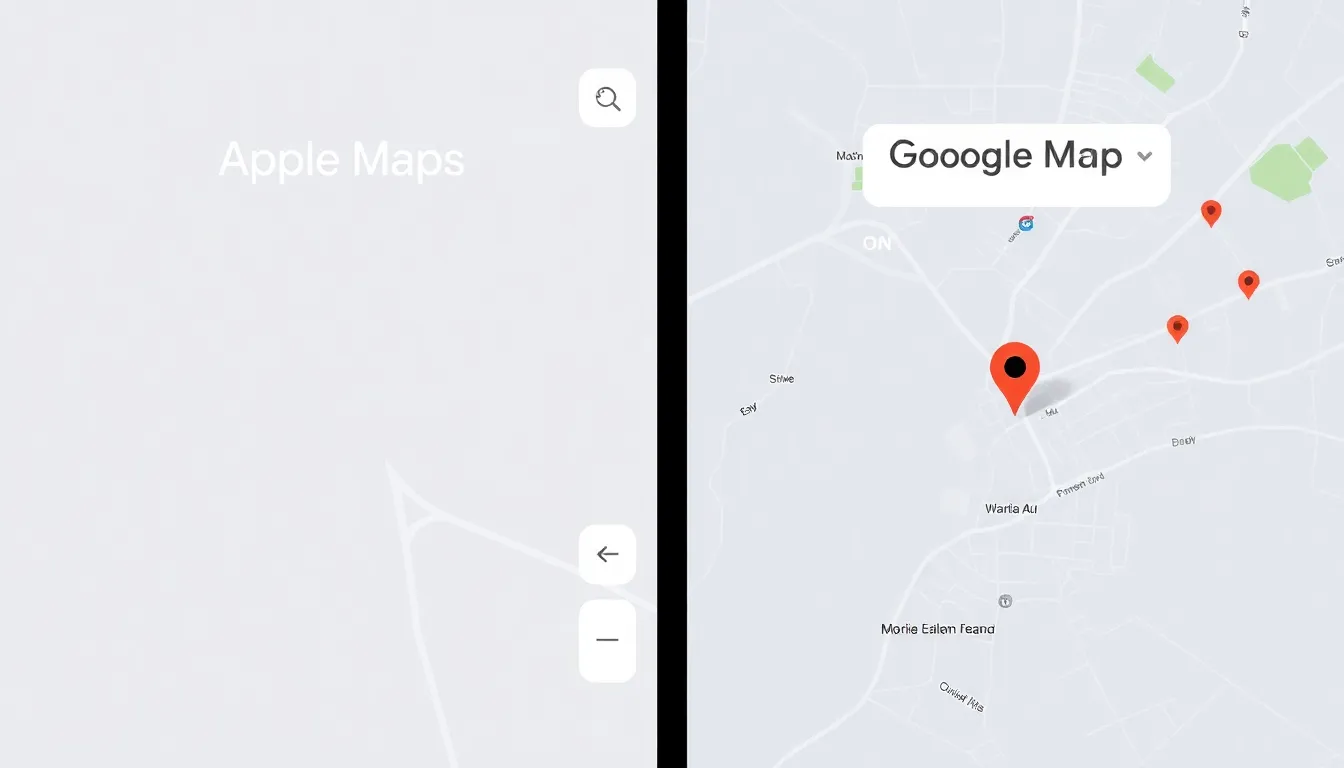
Apple Maps Reportedly Adding Ads, Mirroring Google Maps' Approach
Apple Maps, long praised for its ad-free experience, is reportedly preparing to introduce advertisements, following a path similar to Google Maps. This move could mark a significant shift in how the navigation app operates, potentially impacting user experience.
The Shift Toward Ads
For years, Apple Maps has differentiated itself from Google Maps by offering a clean, ad-free interface. However, reports indicate that Apple is now preparing to introduce advertisements into its Maps app. This development suggests a convergence in the monetization strategies of the two major mapping services.
The ads are expected to start appearing as early as this summer, with an announcement potentially coming soon. They will likely be integrated across iPhone and other Apple devices, as well as on the web version of Apple Maps. This rollout represents a departure from Apple's previous stance on keeping its mapping service free of commercial interruptions.
Implications for Users
The introduction of ads could alter the user experience significantly. While Google Maps has long incorporated advertisements, Apple Maps has maintained a reputation for simplicity and focus on navigation. The addition of ads may lead to concerns about cluttered interfaces and potential distractions during use.
From turn-by-turn directions to street views, Apple Maps has increasingly mirrored Google Maps in functionality. The move to include ads further blurs the lines between the two services, raising questions about whether Apple is prioritizing revenue over user experience. Some users may view this as a step backward, especially if ads interfere with core navigation features.
Broader Industry Trends
This development reflects a broader trend in the tech industry, where free services often rely on advertising for revenue. Google Maps has successfully monetized its platform through ads for years, and Apple appears to be following suit. The decision highlights the competitive pressures in the mapping space, where maintaining and improving services requires significant investment.
While the exact format and placement of ads in Apple Maps remain unclear, their introduction could influence how other Apple services approach monetization. It also underscores the challenges of balancing profitability with user satisfaction in an increasingly ad-driven digital landscape.
Conclusion
The reported move to add advertisements to Apple Maps represents a significant shift in the app's evolution. By adopting a monetization strategy similar to Google Maps, Apple is aligning itself with industry norms but may risk alienating users who value an ad-free experience. As the rollout approaches, it will be crucial to monitor how these changes affect usability and whether Apple can implement ads without compromising the core functionality that users rely on. The success of this initiative will likely depend on how seamlessly ads are integrated and whether they enhance or detract from the overall navigation experience.