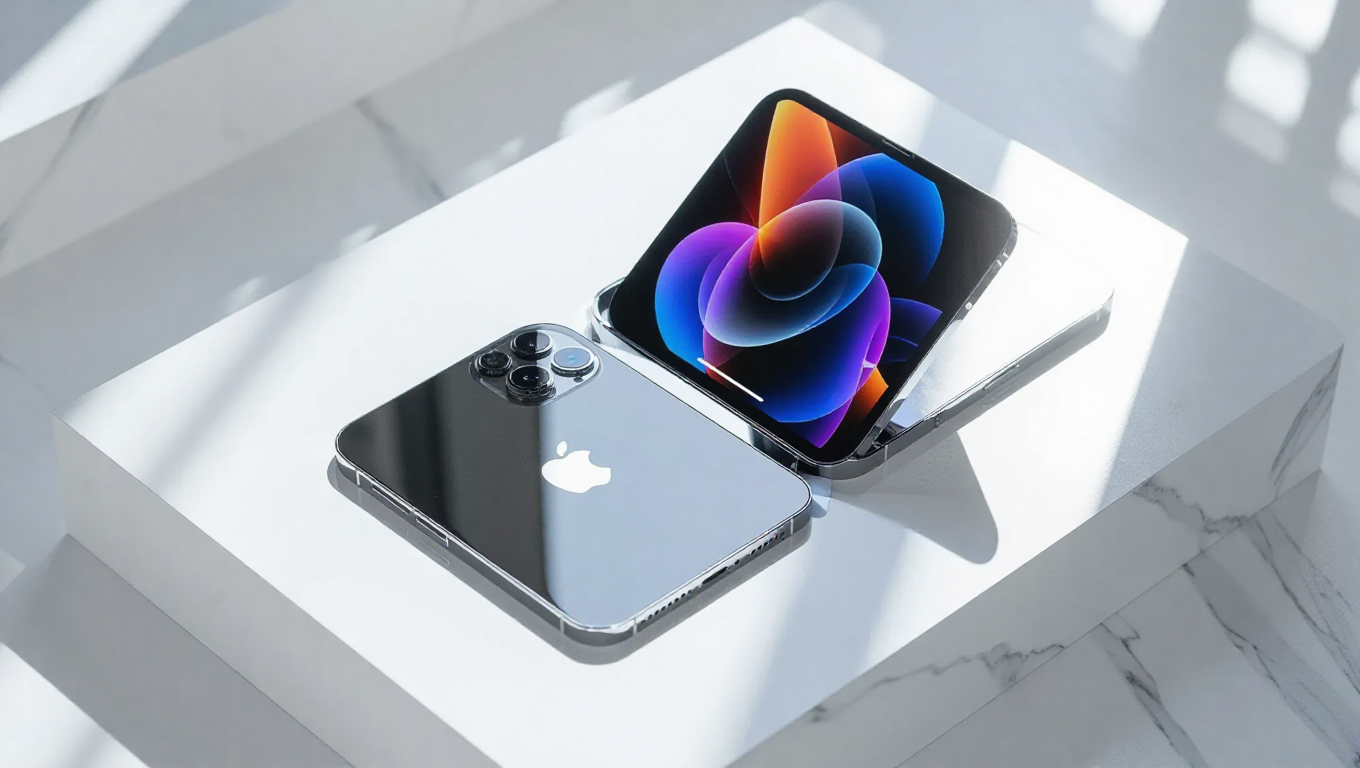
Apple iPhone Fold Expected to Launch at $2,399 Price Point
Apple's long-anticipated entry into the foldable smartphone market appears to be taking shape with pricing details emerging that position the device firmly in the premium segment. The iPhone Fold, expected to launch next year, is projected to carry a price tag that reflects Apple's premium positioning and the complex engineering required for foldable technology.
Premium Pricing Strategy
The iPhone Fold is expected to retail for approximately $2,399, according to recent analysis based on supply chain data and margin requirements. This pricing strategy would place Apple's foldable offering significantly above current market leaders in the foldable category. For comparison, Samsung's Galaxy Z Fold7 starts at $1,999, suggesting Apple intends to maintain its premium brand positioning even in the competitive foldable space.
Technical Specifications and Features
The higher price point is attributed to several advanced components and engineering challenges unique to foldable devices. The iPhone Fold is rumored to feature a crease-free 7.58-inch flexible main display paired with a 5.8-inch cover screen. The device is also expected to incorporate a larger battery capacity than the current iPhone 17 Pro Max, addressing one of the key concerns with foldable devices - battery life.
Material costs for the display panel, hinge mechanism, and lightweight components are cited as primary factors contributing to the elevated price. Despite the high cost, market projections suggest strong consumer interest, with estimates indicating potential sales of 15.4 million units, including 5.4 million in the first year of availability.
Market Positioning and Competition
Apple's pricing strategy for the iPhone Fold reflects the company's traditional approach of positioning its products at the premium end of the market. While the $2,399 price point may seem steep compared to existing foldable options, it aligns with Apple's brand identity and the perceived value of its ecosystem integration. The company appears confident that its loyal customer base and the appeal of a foldable device within the Apple ecosystem will justify the premium pricing.
Conclusion
The anticipated $2,399 price tag for Apple's first foldable iPhone underscores the company's commitment to maintaining its premium positioning while entering new product categories. While the cost may limit initial adoption to early adopters and Apple's most dedicated customers, it sets a clear benchmark for what consumers can expect from a foldable device bearing the Apple logo. As the 2026 launch window approaches, market watchers will be keen to see how this pricing strategy impacts Apple's position in the evolving foldable smartphone market.