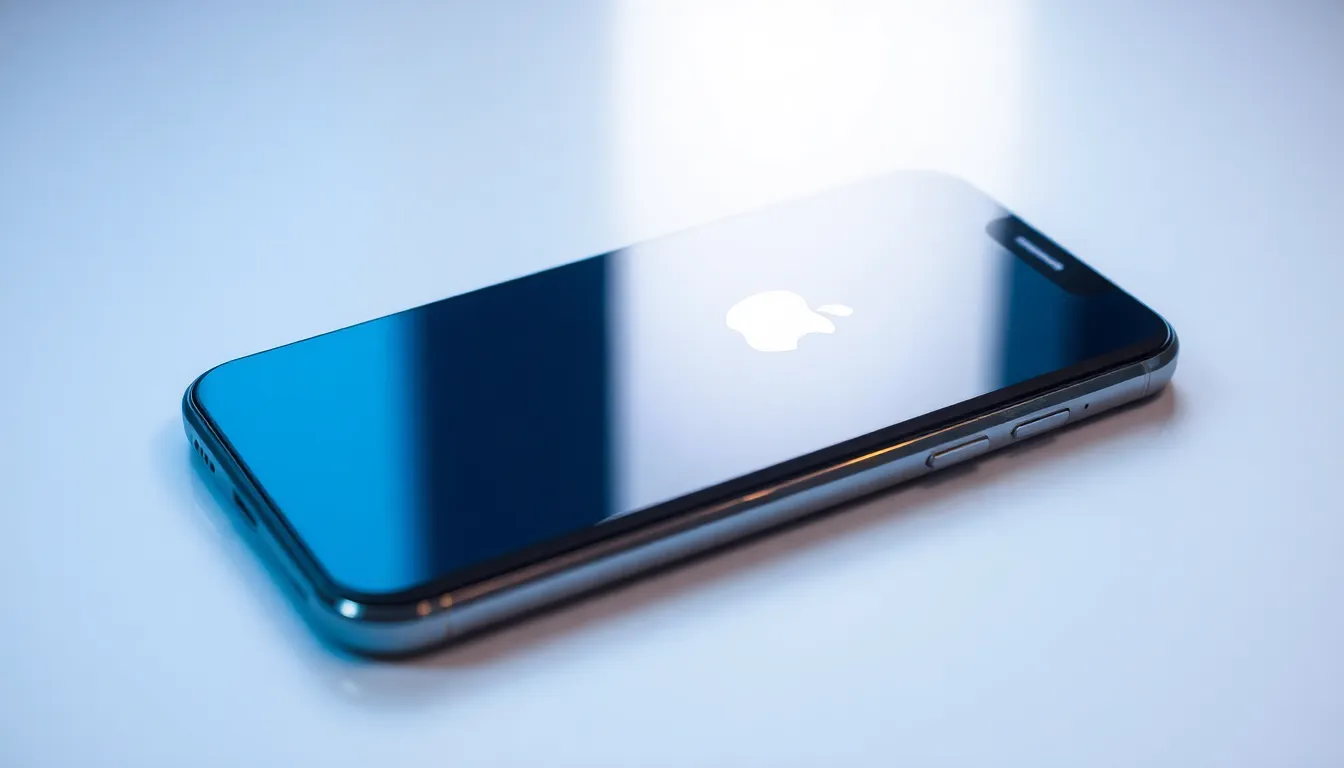
Apple iPhone 17e: Analyzing the Value Proposition of Apple's Latest Mid-Range Phone
The Apple iPhone 17e presents an interesting case study in incremental smartphone upgrades. At first glance, the device appears to offer minimal improvements over its predecessor, but closer examination reveals several meaningful enhancements that could make it a compelling option for certain buyers.
Key Upgrades and Specifications
The iPhone 17e features Apple's A19 chipset, providing significant performance improvements for what is positioned as a mid-range device. The new Apple C1X modem offers substantially faster connectivity compared to previous models, with reports indicating up to double the speed of the iPhone 16e's modem.
While the display maintains the same 6.1-inch OLED panel with 60Hz refresh rate and retains the familiar notch design, it now incorporates Ceramic Shield 2 protection with three times better scratch resistance and includes an anti-reflective coating for improved visibility in various lighting conditions.
One of the most notable upgrades comes in the charging department. The device supports 15W MagSafe wireless charging, doubling the previous generation's 7.5W capability. This enables full compatibility with Apple's magnetic charging ecosystem, including various accessories and mounts that work seamlessly with or without a case.
The battery capacity remains at 4,005mAh with similar wired charging speeds (50% charge in 30 minutes), but the wireless charging improvements represent a significant quality-of-life enhancement for users who prefer cable-free charging solutions.
Storage and Competitive Positioning
Perhaps the most substantial upgrade comes in the form of storage configuration. The iPhone 17e now starts with 256GB of base storage, eliminating the previous $100 upgrade cost for this capacity. This positions Apple favorably against competitors, as many Android flagships in similar price ranges still begin with 128GB configurations.
This storage upgrade, while seemingly minor on the surface, addresses a common pain point for users who frequently run out of space for photos, videos, and applications. The inclusion of 256GB as standard equipment represents a meaningful value addition that could sway purchasing decisions.
Market Considerations and User Perspectives
The iPhone 17e occupies a unique position in Apple's lineup as the most affordable new iPhone option. While some users might wish for more dramatic upgrades such as a 120Hz display, additional camera sensors, or the Dynamic Island design, the device appears designed to offer a balanced combination of performance and value.
Initial reactions suggest divided opinions among potential buyers. Some question the value proposition when compared to higher-end models that offer more comprehensive feature sets, while others appreciate the targeted improvements that address specific user needs without significantly increasing the price point.
The device's appeal likely depends on individual priorities. For users who value wireless charging convenience, additional storage without extra cost, and improved durability, the iPhone 17e presents a compelling package. However, those seeking cutting-edge display technology or advanced camera systems may find the upgrades insufficient.
Conclusion
The Apple iPhone 17e represents a calculated evolution rather than a revolutionary redesign. Its upgrades, while incremental individually, combine to create a device that meaningfully improves upon its predecessor in several key areas. The inclusion of MagSafe charging, enhanced display protection, and doubled base storage addresses specific user needs that were previously limitations.
As with any mid-range device in a premium brand's lineup, the iPhone 17e requires careful consideration of personal priorities and budget constraints. For users seeking an affordable entry into Apple's ecosystem with meaningful improvements over previous generations, the device offers a balanced package. However, those willing to invest more may find higher-tier models provide more comprehensive feature sets that better justify their premium pricing.
The ultimate decision comes down to individual needs and how much value one places on the specific upgrades Apple has chosen to implement in this iteration of their most accessible iPhone model.