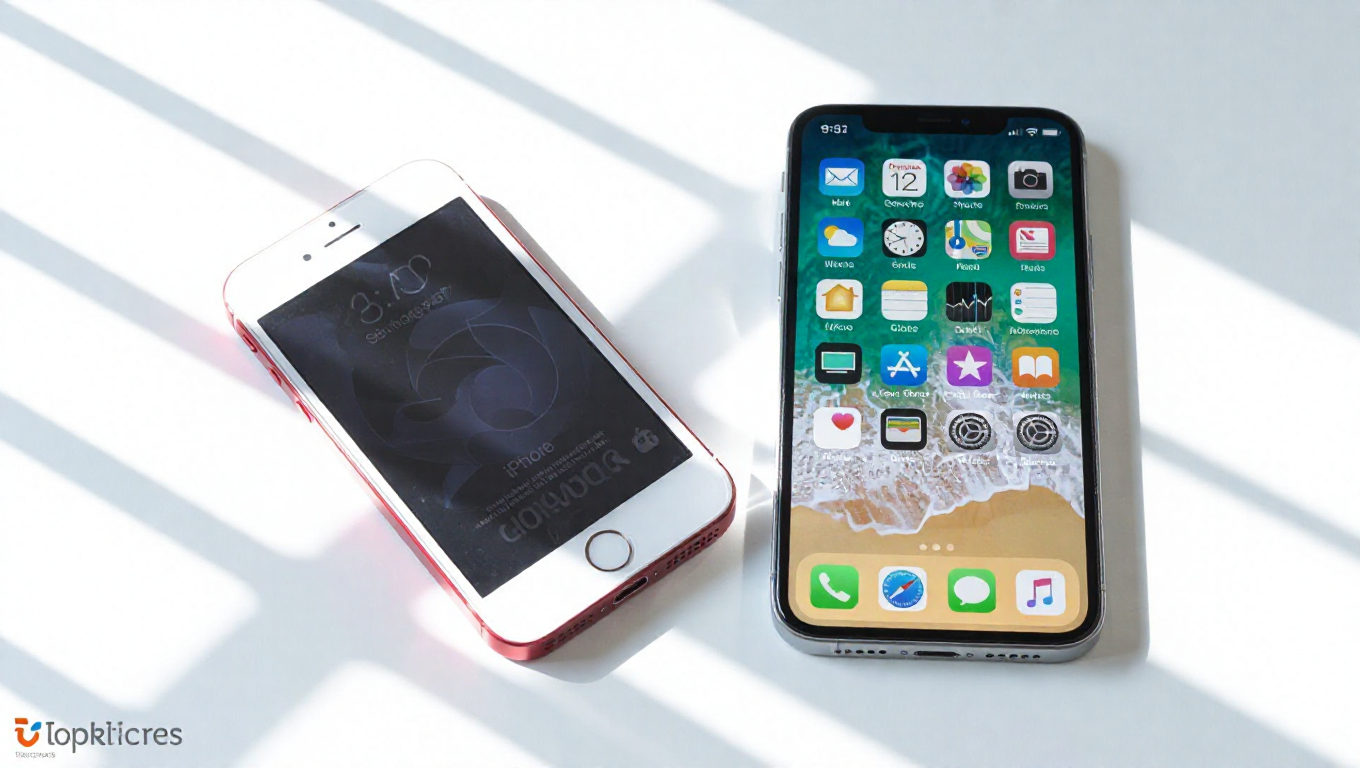
Apple Extends Support for 13-Year-Old iPhones with Surprise Update
In an unexpected move, Apple has released a software update for smartphones and tablets that are over a decade old, demonstrating an unusually long commitment to device support that contrasts sharply with industry norms. The update, iOS 12.5.8, targets legacy hardware incapable of running modern iOS versions, ensuring continued functionality for core services.
Functional Life Support for Aging Devices
The primary purpose of this update is to extend a digital certificate that keeps iMessage, FaceTime, and device setup processes operational beyond 2027. Without this fix, these older devices would gradually lose access to Apple's servers, rendering key features inoperable once the certificate expired. This represents functional maintenance rather than feature enhancement, as the devices remain on the outdated iOS 12 operating system and cannot run many contemporary applications.
The update affects several legacy Apple products, including the iPhone 5s (released in 2013), iPhone 6, iPhone 6 Plus, the original iPad Air, iPad mini 2 and 3, and even the sixth-generation iPod touch. Supporting hardware for more than a decade is particularly notable in today's rapid-release smartphone market, where many devices receive only a few years of software support.
Industry Context and Implications
This extended support timeline highlights the disparity between Apple's approach and typical industry practices. While Apple maintains functionality for 13-year-old devices, many Android manufacturers provide significantly shorter support windows for their products. The update serves as a reminder of how software support longevity can impact device usability and environmental sustainability through extended product lifespans.
The quiet release of iOS 12.5.8 was initially spotted by users on social media platforms, indicating Apple's low-key approach to this maintenance update. The company has not heavily promoted the release, focusing instead on ensuring continued service for users who still operate these older devices.
Conclusion
Apple's decision to issue a software update for 13-year-old iPhones represents an exceptional commitment to long-term device support in the technology industry. While the update doesn't bring new features or modern iOS capabilities, it ensures that core communication functions remain available for users of legacy hardware. This move sets a notable precedent for software support longevity and raises questions about industry standards for device maintenance and sustainability.