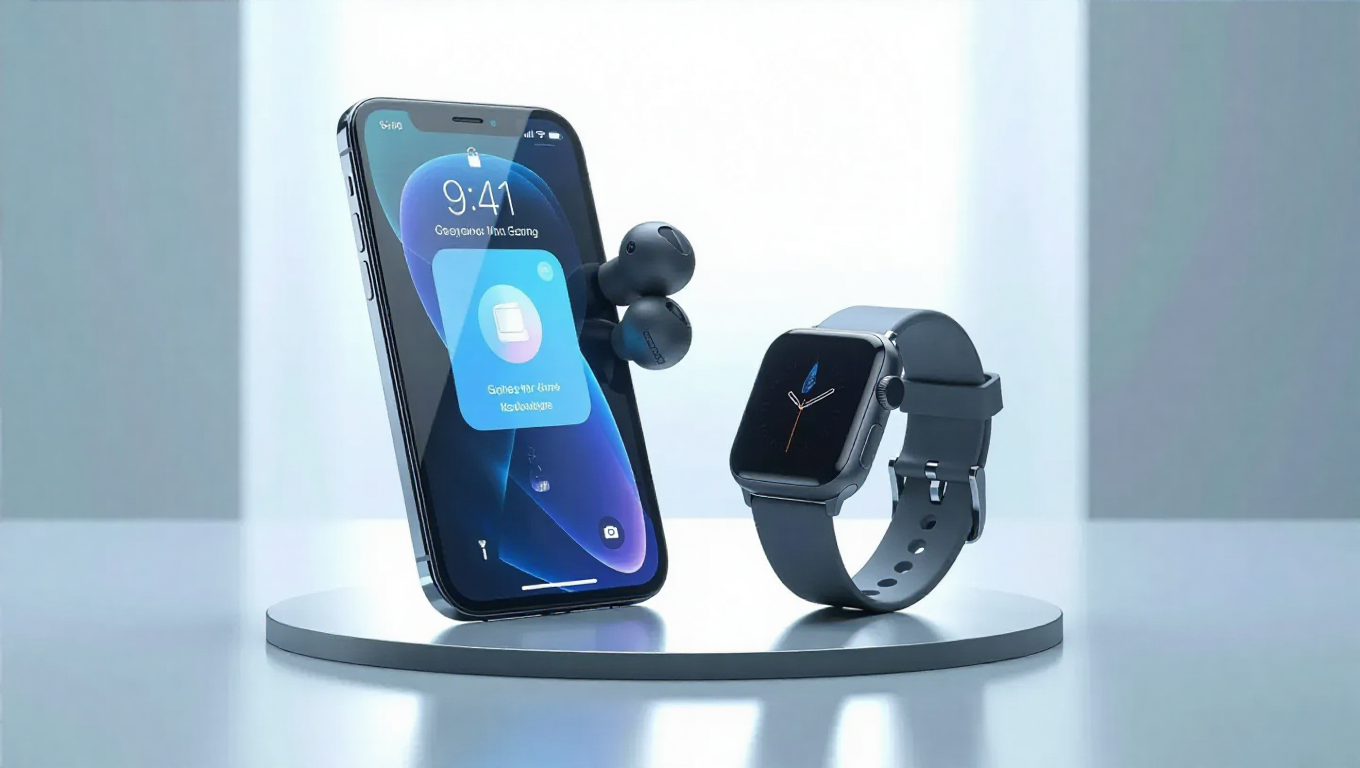
Apple Expands iPhone Compatibility with Samsung Galaxy Buds and Watches in EU
Apple is set to enhance cross-platform functionality between iPhones and select Samsung devices through upcoming software updates. The changes, introduced in iOS 26.3 and iPadOS 26.3 beta versions, aim to simplify the user experience for those mixing Apple and Samsung ecosystems, though they will initially be geographically restricted.
Proximity Pairing for Easier Connections
One of the key features in the update is Proximity Pairing, which brings an AirPods-like setup experience to compatible third-party accessories. When a device like Samsung's Galaxy Buds is brought near an iPhone or iPad, a pop-up menu appears on the screen, allowing pairing with a single tap. This eliminates the traditional Bluetooth pairing process, which requires navigating to settings, making the device discoverable, and manually selecting the accessory.
Notifications Forwarding to Smartwatches
The update also introduces Notifications Forwarding, a feature previously largely reserved for Apple Watches. It enables iPhones to mirror incoming notifications to the display of a connected third-party smartwatch or fitness band, such as the Galaxy Watch. Users can view and interact with these notifications directly from their wrist. However, notifications can only be forwarded to one wearable device at a time, preventing simultaneous use with multiple watches.
Regional Limitations and Future Outlook
These interoperability enhancements are currently confirmed only for the European Union, aligning with broader regulatory pressures in the region. Users outside the EU will not have access to these features upon the expected public release in early 2026. Industry observers hope that such functionality may expand to other markets in subsequent updates, reflecting a gradual shift toward more open ecosystem interactions.
Conclusion
Apple's move to improve compatibility with Samsung's Galaxy Buds and Galaxy Watches marks a notable, if limited, step toward greater device interoperability. By reducing pairing friction and extending notification capabilities, the updates could appeal to users who prefer mixing hardware from different brands. While initially confined to the EU, these features may signal a broader trend of easing ecosystem barriers in response to user demand and regulatory environments.