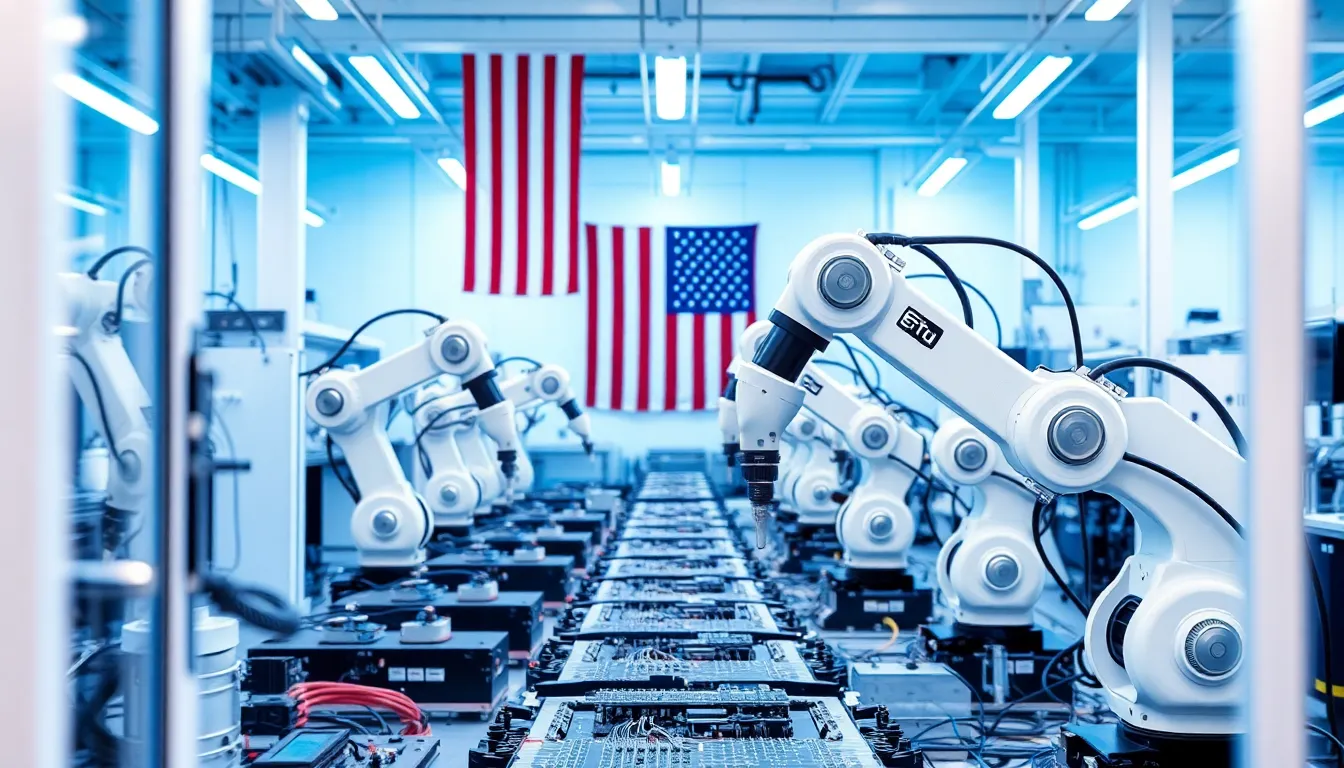
Apple Expands American Manufacturing Program with New Technology Partners
Apple has announced a significant expansion of its American Manufacturing Program (AMP), adding four new technology partners to its initiative aimed at strengthening domestic supply chains and manufacturing capabilities. The move represents a continued commitment to bringing advanced component production to U.S. soil.
New Partners and Their Roles
The newly announced partners include Bosch, Cirrus Logic, TDK, and Qnity Electronics. These companies join an existing roster of manufacturing and technology partners that Apple established when it first launched AMP in August of last year.
TDK will manufacture sensors for Apple products in the United States for the first time, including components for iPhone camera stabilization systems. This marks a notable shift as these sensors were previously manufactured overseas.
Bosch will collaborate with TSMC and Apple to produce integrated circuits at TSMC's Washington facility. These circuits will power Bosch's sensing hardware, which enables critical Apple features including Crash Detection, Activity Tracking, and elevation measurement in various Apple devices.
Cirrus Logic and GlobalFoundries are establishing new semiconductor process technologies at GlobalFoundries' Malta, New York facility. This collaboration will enable Cirrus Logic to develop mixed-signal solutions for multiple Apple applications, including advanced circuits that power Face ID authentication systems.
Qnity Electronics, working with HD MicroSystems, will provide advanced materials and technologies essential for semiconductor manufacturing and high-performance electronics. This partnership is expected to pioneer innovations for high-performance computing and artificial intelligence applications, while bolstering domestic production of critical components.
Strategic Implications
The expansion of AMP represents Apple's ongoing strategy to diversify and secure its supply chain while supporting domestic manufacturing capabilities. By bringing more component production to the United States, Apple aims to reduce reliance on overseas manufacturing for critical technologies.
The partnerships focus on several key technology areas: sensors (TDK), integrated circuits and sensing hardware (Bosch), semiconductor process technologies (Cirrus Logic), and advanced materials (Qnity Electronics). These collaborations address multiple points in the electronics manufacturing value chain, from raw materials to finished components.
These developments are particularly significant for features that have become central to Apple's product ecosystem, including camera systems, safety features like Crash Detection, and biometric authentication through Face ID. Domestic production of these components could potentially lead to more secure and resilient supply chains for these critical technologies.
Conclusion
Apple's expansion of its American Manufacturing Program with these new technology partners represents a substantial investment in domestic manufacturing capabilities. The collaborations span multiple technology domains and address critical components in Apple's product ecosystem. As these partnerships develop, they are expected to contribute to a more resilient supply chain while supporting advanced technology development within the United States. The move aligns with broader industry trends toward supply chain diversification and domestic manufacturing investment in critical technology sectors.