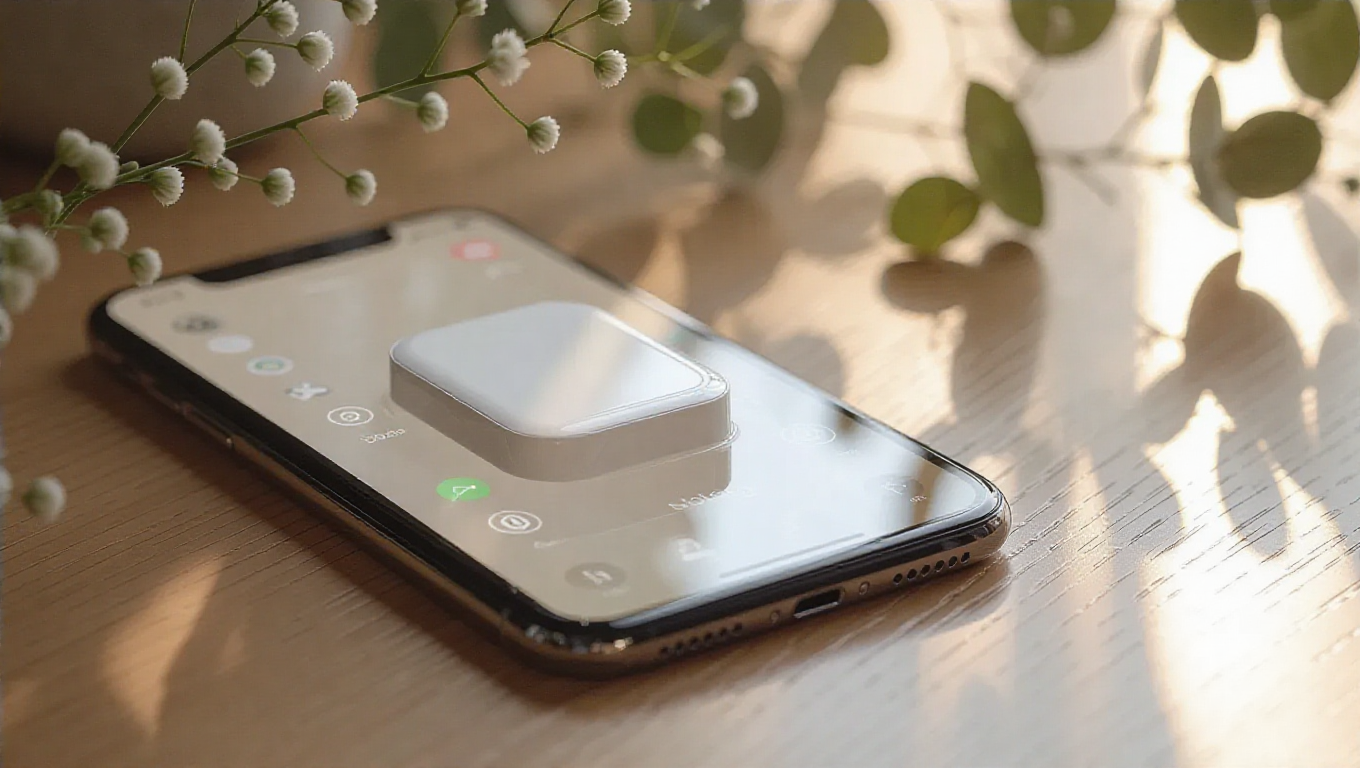
Apple AirTag 2 Highlights Android's Missing Smart Tracker Solution
The recent unveiling of Apple's AirTag 2 marks the first hardware refresh since the original's 2021 debut, bringing notable improvements that have caught the attention of tech enthusiasts across platforms. While Apple users gain enhanced tracking capabilities, the update has inadvertently spotlighted a significant gap in the Android ecosystem: the absence of a native, Google-made smart tracker.
AirTag 2's Hardware Advancements
The new AirTag hardware delivers several meaningful upgrades that improve upon the original design. These enhancements include better precision tracking capabilities, improved battery life management, and refined integration with Apple's Find My network. The improvements demonstrate how iterative hardware updates can significantly enhance user experience in the smart tracker category.
For Android users observing these developments, the AirTag 2 serves as a reminder of what's possible when hardware and software ecosystems are tightly integrated. Apple's ability to leverage its extensive device network for location tracking creates a compelling user experience that currently lacks a direct Android counterpart.
The Android Tracker Landscape
While third-party manufacturers offer tracking devices compatible with Android, these solutions often lack the seamless integration that comes from being part of Google's native ecosystem. The current landscape requires Android users to rely on fragmented solutions that don't benefit from the same network effects as Apple's Find My system.
The demand for a Google-made tracker has grown steadily as smart tracking becomes increasingly integrated into daily life. Users want a solution that works as effortlessly with Android devices as AirTags do with Apple products, complete with the privacy protections and network reliability that only a first-party solution can provide.
Why a Google Tracker Matters
A potential Google tracker, often referred to by enthusiasts as a "Pixel Tag," would offer several advantages beyond what third-party options provide. Most importantly, it would leverage Google's extensive Android device network, creating a crowdsourced tracking system comparable to Apple's Find My network. This would provide Android users with the same level of location accuracy and reliability that Apple users currently enjoy.
Additionally, a Google-made tracker would benefit from deep integration with Android's operating system, allowing for features like automatic setup, battery optimization, and enhanced privacy controls. The tight integration could also enable unique Android-specific features, such as integration with Google Assistant or enhanced compatibility with the broader Google ecosystem.
Market Implications and User Demand
The smart tracker market has proven to be more than just a niche accessory category. These devices have become essential tools for keeping track of valuable items, from keys and wallets to luggage and electronics. As Apple continues to refine its offering, the pressure mounts for Google to enter this space with a competitive product.
Android users represent a significant portion of the global smartphone market, and their demand for a native tracking solution continues to grow. The AirTag 2's improvements have only intensified this demand, highlighting what Android users are missing in terms of ecosystem integration and network reliability.
Conclusion
Apple's AirTag 2 serves as both an impressive hardware update and a stark reminder of Android's tracking gap. While third-party options exist, they cannot match the seamless integration and network effects that a first-party Google solution would provide. The continued refinement of Apple's tracking ecosystem increases the urgency for Google to develop its own smart tracker, giving Android users the comprehensive tracking solution they deserve.
As the smart tracker market evolves, the absence of a Google-made alternative becomes increasingly conspicuous. The AirTag 2's improvements demonstrate how much can be achieved when hardware and software ecosystems work in harmony—a lesson that Android users hope Google will soon apply to the tracking space.