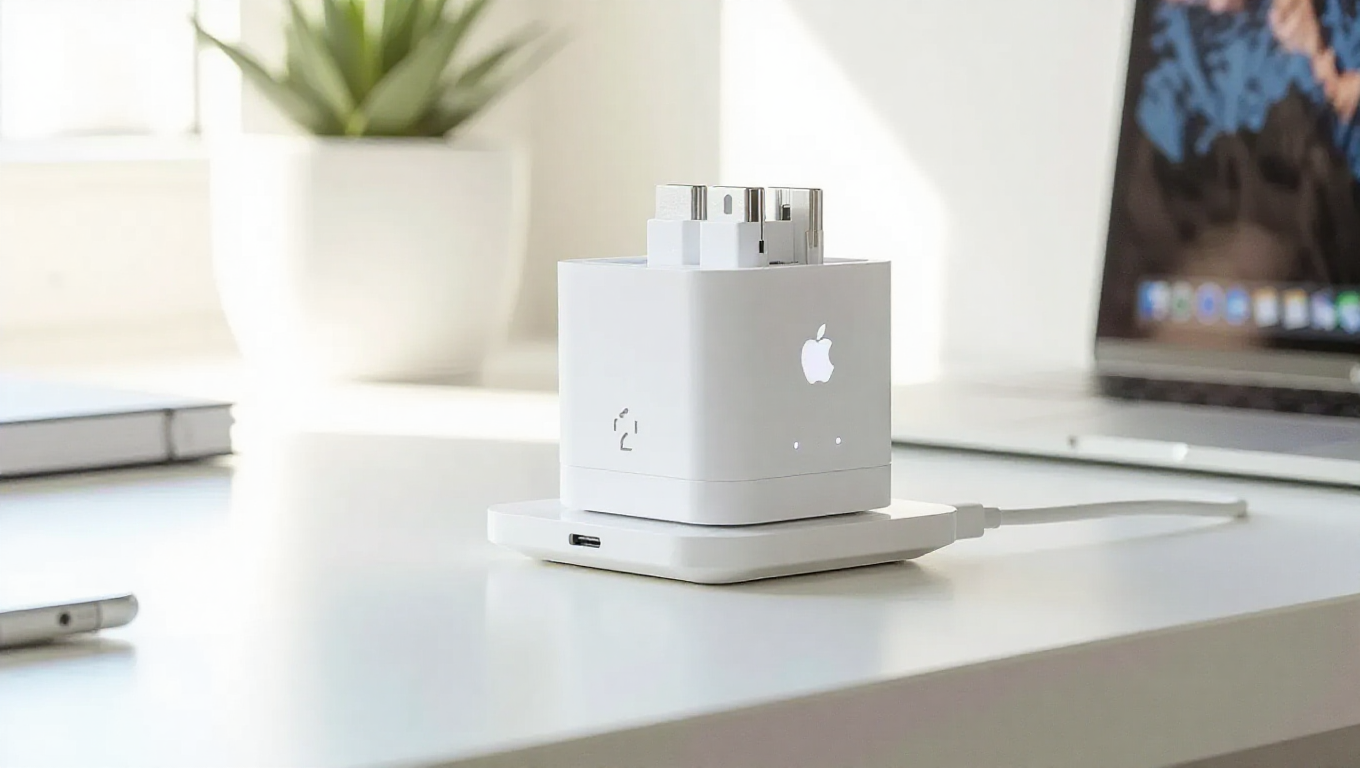
Anker's Nano 45W Charger: Clever Design, Android Compatibility Limitation
At CES 2026, Anker unveiled its latest charging innovation: the Nano 45W USB-C charger. The compact device features several clever design elements that promise to enhance user convenience, but early reports indicate a significant limitation when used with Android smartphones that may impact its appeal to a large segment of mobile users.
Innovative Display Plug Design
The most immediately noticeable feature of Anker's new charger is its integrated display plug. This design innovation allows the charger to fold neatly into a compact form factor while maintaining full functionality. The engineering behind this mechanism represents a significant step forward in charger design, addressing common complaints about bulk and portability that have long plagued high-wattage charging solutions.
Beyond its physical design, the Nano 45W charger delivers substantial power in a small package. At 45 watts, it provides enough power to charge most modern smartphones at their maximum supported speeds, and can even handle many tablets and smaller laptops. This makes it a versatile option for travelers and professionals who need to minimize their tech accessories while maintaining charging capability for multiple devices.
Android Compatibility Limitation
Despite its innovative design, the charger reportedly loses one of its most significant features when connected to Android devices. While the exact nature of this limitation hasn't been fully detailed in initial reports, it appears to affect functionality that remains available when charging Apple devices. This creates a notable disparity in the user experience between different mobile platforms.
The compatibility issue raises questions about charging standards and manufacturer implementation. As USB-C becomes increasingly universal across devices, consumers have come to expect consistent performance regardless of brand or operating system. This reported limitation suggests that either technical constraints or strategic decisions have resulted in a feature gap that specifically affects Android users.
Market Implications
The Android compatibility limitation comes at a time when the charging accessory market is becoming increasingly competitive. With multiple manufacturers offering compact, high-wattage chargers, differentiation often comes down to unique features and cross-platform compatibility. A feature that works differently—or not at all—on Android devices could significantly impact the charger's appeal in a market where Android holds substantial market share globally.
For consumers, this creates a decision point: is the clever design and compact form factor worth the trade-off of potentially missing features on Android devices? The answer likely depends on individual use cases and device ecosystems. Those primarily using Apple products may find the charger perfectly suited to their needs, while Android users might need to weigh the design benefits against the functional limitations.
Conclusion
Anker's Nano 45W USB-C charger represents both innovation and compromise in the charging accessory space. Its clever display plug design demonstrates thoughtful engineering that addresses real user pain points around portability and convenience. However, the reported limitation with Android devices creates a significant caveat that potential buyers must consider.
As the charging technology landscape continues to evolve, manufacturers face the challenge of balancing innovative design with universal compatibility. Anker's latest offering highlights this tension, providing a compact, powerful charging solution that may not deliver its full feature set to all users equally. For those considering this charger, understanding your specific device ecosystem and charging needs will be crucial to determining whether its clever design outweighs its compatibility limitations.