Android Users Express Frustration Over iPhone-Like Smartphone Designs
Recent polling data has revealed a significant sentiment among Android users: growing frustration with smartphone designs that increasingly resemble Apple's iPhone. As the smartphone market matures, design convergence has become more pronounced, leading to what many enthusiasts describe as a homogenization that diminishes brand identity and innovation.
The Blurring Lines of Smartphone Design
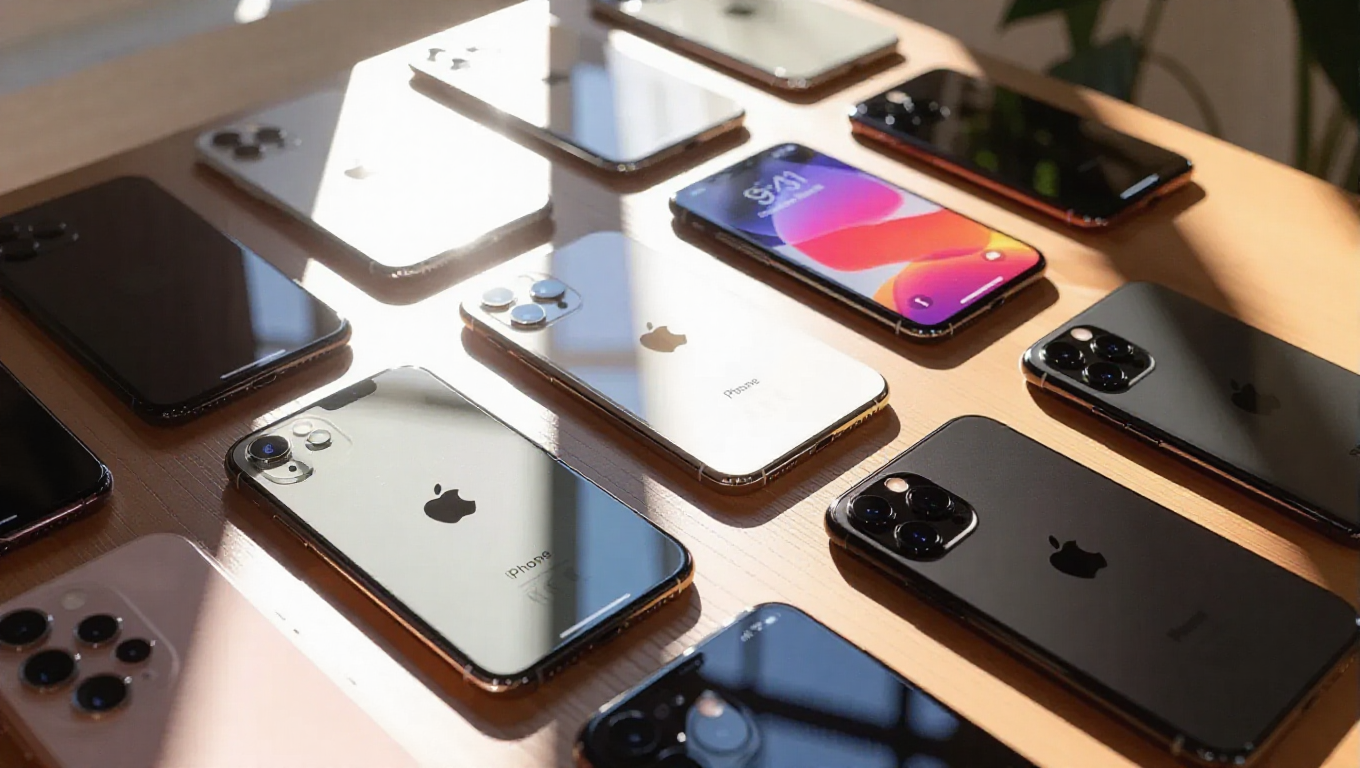
The visual distinction between Android devices and iPhones has become increasingly subtle in recent years. From camera module placements to overall form factors, many Android manufacturers appear to be drawing direct inspiration from Apple's design language. This trend has reached a point where it can be challenging to differentiate between various Android phones at a distance, and in some cases, even when holding the devices.
This design convergence extends beyond hardware aesthetics. Several Android manufacturers have incorporated interface elements and user experience patterns that closely mirror iOS, further blurring the lines between the two ecosystems. While this approach may offer familiarity to users switching between platforms, it has raised concerns about the loss of distinctive Android identity.
User Sentiment and Market Implications
The polling data indicates that this design trend is not going unnoticed by consumers. Many Android users express disappointment with what they perceive as a lack of originality and innovation in smartphone design. For enthusiasts who value distinctive hardware and software experiences, this homogenization represents a departure from the diversity that once characterized the Android ecosystem.
This sentiment has implications for brand loyalty and market differentiation. As devices become increasingly similar in appearance and function, manufacturers may find it more challenging to establish unique value propositions. The data suggests that consumers are not merely passive observers of this trend but are actively expressing their dissatisfaction with the current direction of smartphone design.
The Future of Smartphone Aesthetics
The current design landscape raises important questions about the future of smartphone aesthetics. While efficiency and manufacturing considerations undoubtedly influence design decisions, the polling data suggests that consumers still value distinctive visual identities. The challenge for manufacturers will be balancing practical considerations with the desire for unique design language that resonates with their user base.
Some industry observers suggest that this design convergence may represent a temporary phase as manufacturers optimize for mass production and component standardization. Others worry that it signals a broader trend toward design conservatism that could stifle innovation in the long term.
Conclusion
The polling data reveals a clear message from Android users: the current trend toward iPhone-like designs is meeting with significant resistance. As smartphone manufacturers navigate the balance between practical considerations and brand differentiation, consumer feedback suggests that distinctive design remains an important factor in user satisfaction and brand loyalty. The coming years will likely see whether manufacturers respond to this sentiment by reintroducing more diverse design approaches or whether the current homogenization trend continues to dominate the market.
For now, the data indicates that many Android users are looking for more than just functional similarity to iPhones—they're seeking devices that maintain the distinctive identity that has long characterized the Android ecosystem.