Android Tablet Bridges Work and Play Gap at New Competitive Price
In today's mobile-first world, users often find themselves torn between the portability of smartphones and the functionality of laptops. While smartphones excel at on-the-go tasks, their screens can feel restrictive for extended work sessions or immersive entertainment. Conversely, laptops offer robust capabilities but can be cumbersome to carry constantly. This gap in the device ecosystem has created demand for a middle ground—a device that combines the best attributes of both categories.
The Versatile Solution
A particular Android tablet has emerged as a compelling answer to this dilemma, positioning itself as a device that genuinely serves dual purposes. For productivity, it offers sufficient screen real estate and processing power to handle document editing, video conferencing, and multitasking that would feel cramped on a smartphone. The tablet form factor lends itself naturally to content consumption, whether streaming video, reading digital publications, or casual gaming.
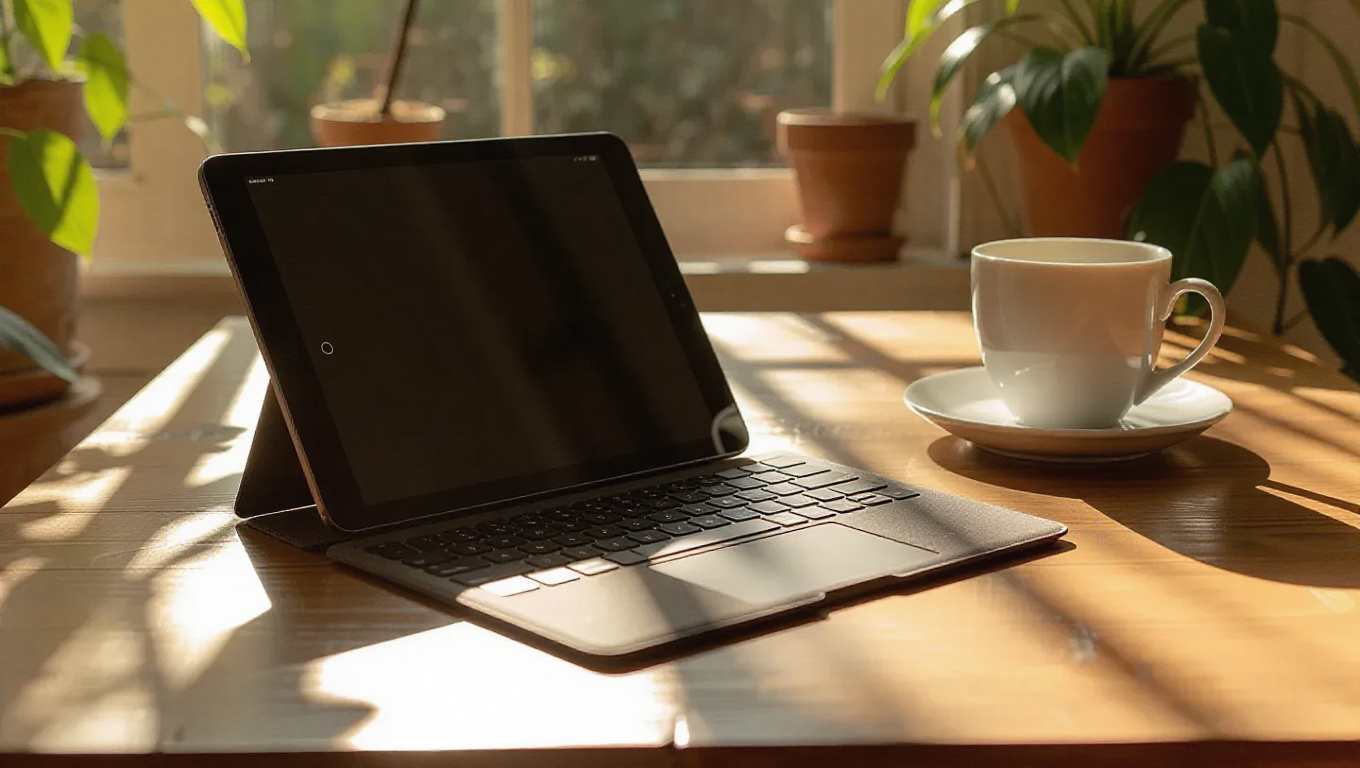
What makes this device particularly noteworthy is its ability to function as a laptop alternative in many scenarios. With the right accessories—such as keyboard cases or stylus support—it transforms into a capable productivity tool. Yet it remains lightweight enough for comfortable handheld use during leisure time, avoiding the bulk and weight that often accompany traditional laptops.
Value Proposition
The tablet's appeal has been significantly enhanced by recent pricing adjustments. At its new price point, it represents a substantial value proposition compared to both premium tablets and entry-level laptops. This pricing strategy makes it accessible to a broader range of users who might have previously considered tablets as luxury items rather than practical tools.
Performance assessments indicate the device handles everyday tasks smoothly, with sufficient battery life to support both work sessions and entertainment marathons. The Android ecosystem provides access to productivity applications alongside entertainment platforms, creating a unified experience that doesn't require switching between devices for different activities.
Market Position
This tablet arrives at a time when hybrid work arrangements have become commonplace, increasing demand for devices that support both professional and personal needs without compromise. Its positioning addresses a specific user need: those who want a single device that can transition seamlessly from work tasks to entertainment without the limitations of screen size or the inconvenience of carrying multiple devices.
The combination of functionality, portability, and affordability creates a compelling package that challenges traditional device categories. Rather than forcing users to choose between a laptop for work and a tablet for play, this device suggests that a well-designed tablet can effectively serve both roles for many users.
Conclusion
The convergence of work and personal device usage continues to shape consumer electronics, and this Android tablet represents a thoughtful response to evolving user needs. By offering laptop-like functionality in a tablet form factor at an accessible price point, it provides a practical solution for users seeking versatility without compromise. As mobile computing evolves, devices that successfully bridge traditional category boundaries while delivering genuine value are likely to find enthusiastic adoption among users tired of choosing between portability and capability.