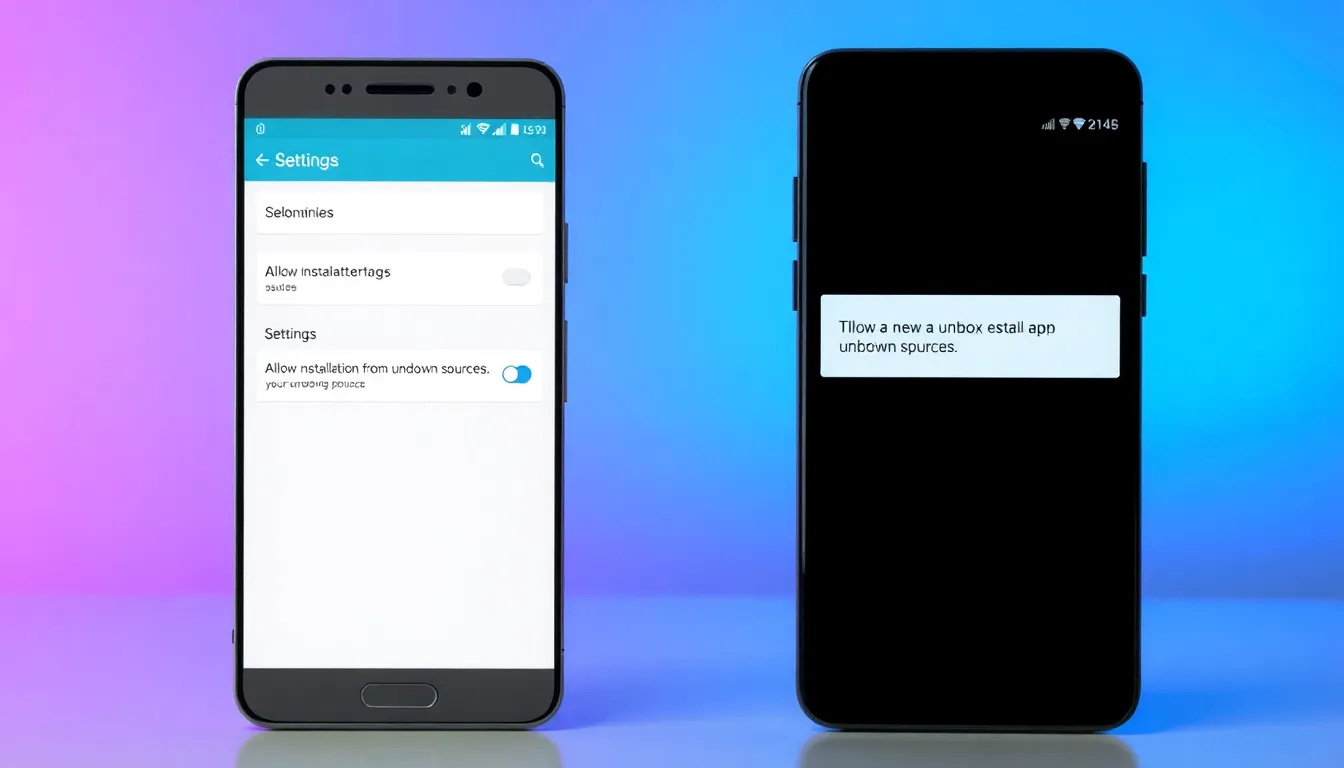
Android's New Sideloading Process Persists Across Phone Upgrades
Google's forthcoming "advanced flow" for enabling sideloading on Android devices represents a significant shift in how users interact with apps from outside official stores. While the announcement last week addressed core functionality, recent clarifications have revealed a crucial user-friendly detail: the configuration will carry over seamlessly when upgrading to a new phone.
A Persistent Permission Model
The new sideloading system, expected to roll out widely later this year, introduces a multi-step verification process for installing applications from unverified developers. This "advanced flow" is designed to provide clearer warnings and require more deliberate user consent compared to current methods. The key advancement for user convenience is that once this process is completed on a device, the permission state is intended to be preserved.
This means users who enable sideloading through the new system on their current Android phone will not need to repeat the potentially cumbersome setup procedure when they migrate to a new device. The setting is expected to transfer as part of the standard device setup or restoration process, similar to how other system preferences are maintained across upgrades.
Addressing Upgrade Friction
One of the persistent pain points in mobile ecosystems has been the loss of configurations during device transitions. For users who rely on sideloaded applications—whether for development, testing, or accessing software not available in official stores—the prospect of re-establishing these permissions with every new phone purchase created unnecessary friction.
By making the sideloading authorization persistent, Google appears to be acknowledging that this capability represents a legitimate user choice rather than merely a temporary workaround. This approach reduces the barrier to continued use of sideloaded applications across device lifecycles and recognizes that users' preferences regarding software sources are likely to remain consistent over time.
Implementation and Considerations
While specific technical implementation details remain to be fully revealed, the persistence of the sideloading setting suggests integration with Google's existing backup and restore infrastructure. Users would likely need to be signed into the same Google account on both devices and utilize standard migration tools for the setting to transfer successfully.
This development does not eliminate security considerations. The multi-step verification process of the "advanced flow" still applies initially, and users must still exercise caution when installing software from unverified sources. However, by removing the need to reconfigure this setting repeatedly, Google is streamlining the experience for those who have made an informed decision to use sideloading capabilities.
Conclusion
The confirmation that Android's new sideloading authorization will persist across phone upgrades represents a thoughtful refinement to Google's approach. It balances security education through an initial rigorous process with user convenience by maintaining that configuration choice long-term. This design decision acknowledges that sideloading serves legitimate needs for a subset of Android users and should not require repeated justification with each new device purchase. As the rollout approaches later this year, this persistence feature may prove to be one of the most user-appreciated aspects of the new system.