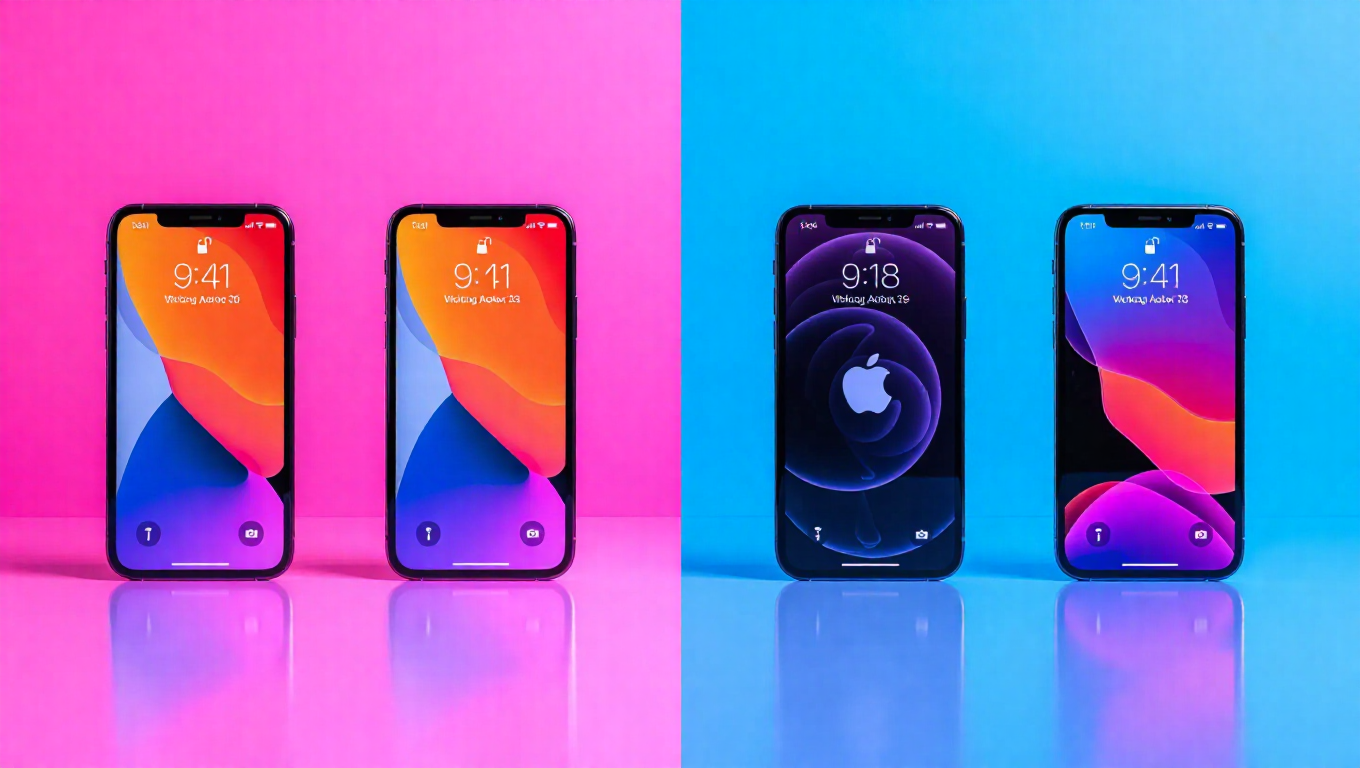
Android Phones Losing Identity: The Growing iPhone Clone Problem
The smartphone market has long been defined by the rivalry between Android and iOS ecosystems, but a concerning trend has emerged in recent years. Many flagship Android devices are increasingly adopting design elements that make them feel and look remarkably similar to iPhones, raising questions about innovation and brand identity in the Android space.
The Homogenization of Flagship Design
Observations from recent device releases indicate a significant shift in Android flagship design philosophy. Where once Android manufacturers prided themselves on distinctive aesthetics and innovative form factors, many now appear to be converging on a design language that closely resembles Apple's approach. This trend has accelerated noticeably over the past six months, with multiple major manufacturers releasing devices that share striking similarities with iPhone models.
The issue extends beyond superficial similarities. From display characteristics to overall device feel and user experience, the boundaries between Android flagships and iPhones are becoming increasingly blurred. This convergence represents a departure from the diverse design landscape that previously characterized the Android ecosystem, where different manufacturers offered unique approaches to smartphone aesthetics and functionality.
Impact on Innovation and Consumer Choice
This design homogenization raises significant concerns about innovation in the smartphone industry. When manufacturers prioritize mimicking successful designs over developing unique approaches, the entire ecosystem suffers from reduced creative competition. The result is a market where consumers have fewer genuinely distinct options, potentially stifling the kind of experimentation that has historically driven smartphone evolution.
Furthermore, this trend undermines the very identity that has made Android appealing to many users. The platform's strength has traditionally been its diversity—the ability to choose from devices with different design philosophies, features, and user experiences. As flagship devices become increasingly similar to iPhones, this diversity diminishes, potentially alienating users who specifically chose Android for its alternative approaches to smartphone design and functionality.
Manufacturer Perspectives and Market Forces
While specific motivations vary by manufacturer, market analysis suggests several factors driving this trend. The commercial success of iPhone designs has created pressure for Android manufacturers to adopt similar aesthetics, potentially to appeal to consumers who appreciate Apple's design language but prefer Android's operating system. Additionally, manufacturing efficiencies and supply chain considerations may favor designs that utilize similar components and production processes.
However, this approach represents a significant risk for Android manufacturers. By sacrificing distinctive design identities, companies may find themselves competing primarily on specifications and price rather than offering unique value propositions. This could lead to increased commoditization in the flagship segment, where devices become increasingly interchangeable in consumers' minds.
Conclusion: The Need for Distinctive Design
The current trend toward iPhone-like Android devices represents a concerning development for the smartphone industry. While some degree of design convergence is inevitable in any mature market, the extent of current similarities threatens to undermine the innovation and diversity that have driven smartphone progress for years.
For the Android ecosystem to maintain its vitality and appeal, manufacturers must rediscover the courage to pursue distinctive design philosophies. This doesn't mean rejecting all design trends or pursuing innovation for its own sake, but rather developing coherent design languages that reflect each brand's identity and values. The smartphone market thrives on genuine choice and innovation, and preserving these qualities requires manufacturers to offer more than just variations on a single successful design template.
As consumers increasingly seek devices that reflect their personal preferences and values, the opportunity exists for Android manufacturers to differentiate themselves through thoughtful, distinctive design. The alternative—a market of increasingly similar devices—serves neither consumers nor the long-term health of the smartphone industry.