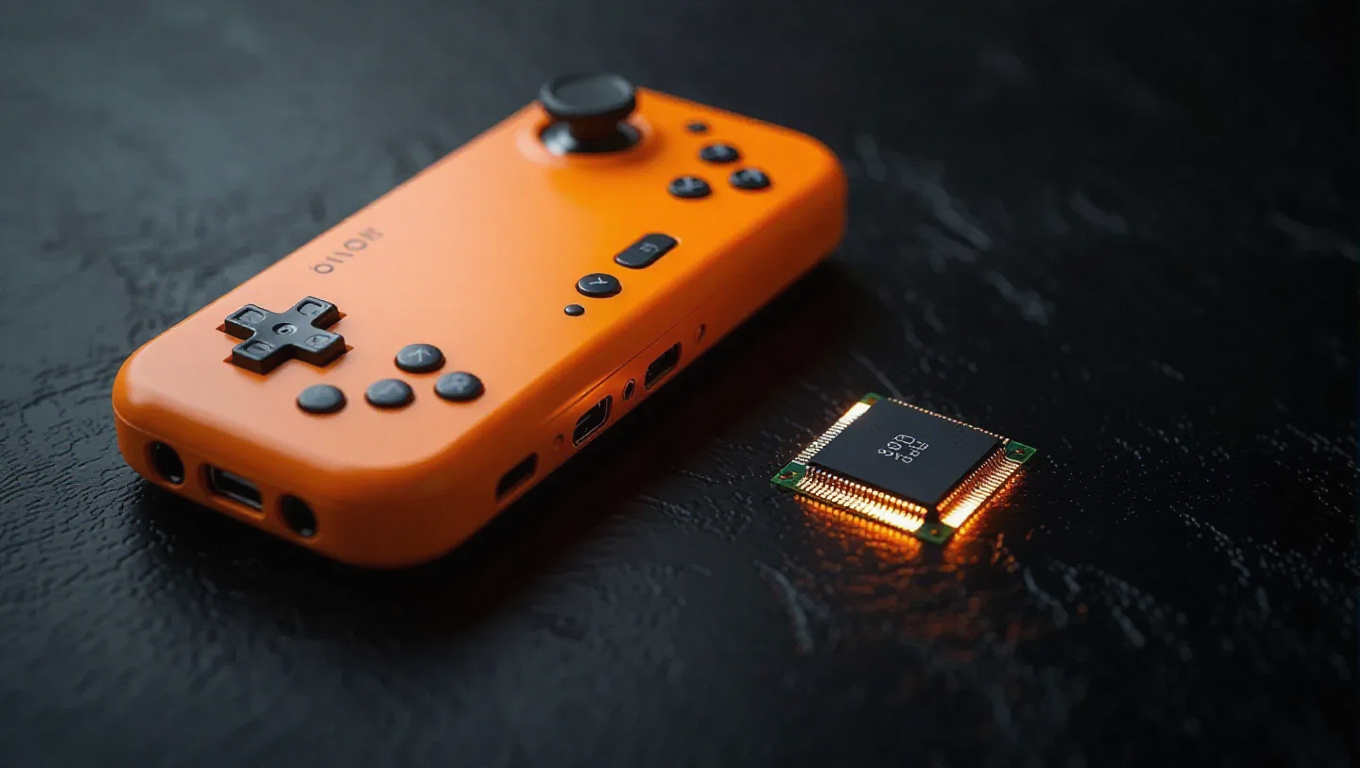
Android Gaming Handheld Market Grapples with Soaring RAM Costs
The Android gaming handheld segment, known for its competitive pricing and rapid innovation, is facing a significant headwind as rising memory costs begin to impact product launches and pricing strategies. A recent development with a popular upcoming device underscores a challenge that appears to be affecting multiple manufacturers in the space.
Early-Bird Pricing Cut Short
In an unusual move, the company behind the Retroid Pocket 6 ended its early-bird discount pricing period ahead of schedule. The manufacturer had initially planned to offer promotional pricing through January but announced the early termination via social media. The stated reason was a sharp, unexpected increase in RAM costs coupled with a tightening global memory supply.
The manufacturer explained that it had exhausted its initial memory inventory for the production run. Replenishing components at current market rates would involve paying "significantly higher prices," making the continuation of the launch discount financially unsustainable. The company expressed regret over the decision but emphasized it was necessary given the new cost reality.
Existing pre-orders placed during the early-bird window are reportedly unaffected and will be honored. Shipping timelines for these units remain slated for early January and March as originally planned. The device will now move to its standard retail price point for all new orders.
A Wider Industry Pattern
This incident is not isolated. It follows similar reports from other Android handheld makers who have cited memory cost pressures in recent months. The issue appears to stem from a combination of factors, including increased demand across the broader electronics industry, potential supply chain constraints, and fluctuating commodity prices for memory chips.
For a market segment that heavily competes on delivering strong performance-to-price ratios, even marginal increases in core component costs like RAM can have a pronounced effect on final retail pricing and profit margins. These devices often use LPDDR4X or LPDDR5 memory, which has seen notable price volatility.
Implications for Consumers and the Market
The immediate impact for consumers is clear: the window for securing the most aggressive launch prices on new devices may become shorter and less predictable. Manufacturers are being forced to make real-time adjustments to their financial models as component costs shift.
Looking ahead, this cost pressure could influence future product planning. Companies might opt for more conservative memory configurations in base models, seek alternative suppliers, or build larger cost buffers into their initial pricing. It may also slow the pace of iterative hardware updates if margins are squeezed.
The situation highlights the fragility of the supply chain for niche electronics. While major smartphone or PC brands can leverage massive scale and long-term contracts to mitigate price swings, smaller handheld specialists operate with thinner inventories and less purchasing power, making them more vulnerable to spot market fluctuations.
Conclusion
The premature end of the Retroid Pocket 6's early-bird pricing is a tangible symptom of a broader challenge facing the Android gaming handheld industry. Soaring RAM costs, driven by a constrained global supply, are testing the business models of manufacturers in this vibrant but cost-sensitive market. For enthusiasts, it serves as a reminder that the final price of a device is often a last-minute calculation, vulnerable to the volatile economics of memory chips. How companies navigate this challenge in the coming months will be crucial for maintaining the value proposition that has fueled the segment's growth.