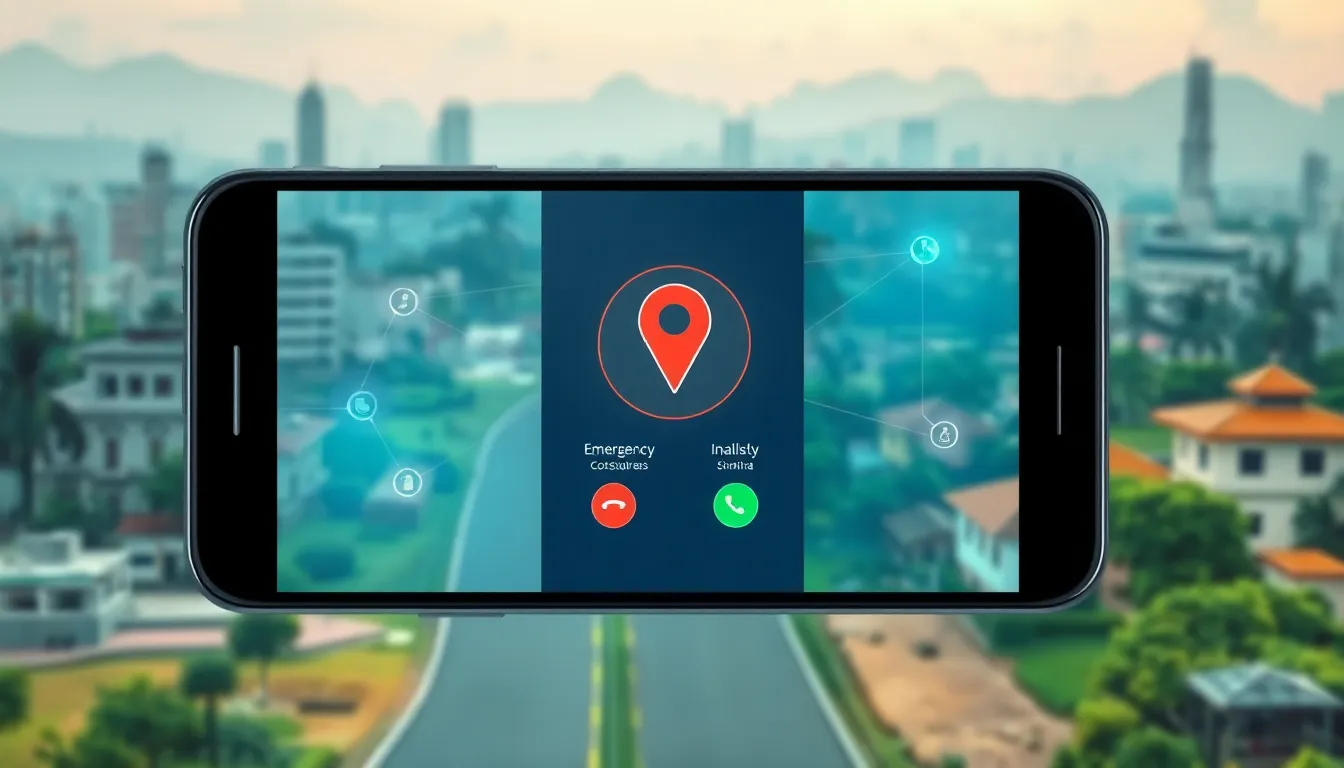
Android Emergency Location Service Launches in India After Decade-Long Wait
After nearly ten years since its initial global introduction, Google has finally brought Android's Emergency Location Service (ELS) to India. The service, which provides enhanced location accuracy during emergency calls, represents a significant advancement in public safety infrastructure for the world's second-largest smartphone market.
Enhanced Emergency Response Capabilities
The Emergency Location Service automatically shares precise location data with emergency services when users dial emergency numbers such as 112 or 100 from their Android devices. This technology bypasses the limitations of traditional cell tower triangulation, which can be inaccurate by hundreds of meters in urban areas and even kilometers in rural regions.
Instead, ELS utilizes multiple location sources including GPS, Wi-Fi networks, and cell tower data to provide emergency responders with coordinates accurate to within tens of meters. This precision can be crucial in time-sensitive situations where every second counts, potentially reducing emergency response times and improving outcomes.
Technical Implementation and Privacy
The service operates automatically when emergency numbers are dialed, requiring no user setup or configuration. Location data is transmitted only during emergency calls and is shared exclusively with authorized emergency service providers. Google emphasizes that this data is not stored or used for any other purposes, addressing privacy concerns that often accompany location-sharing technologies.
Compatibility extends to Android devices running version 4.0 and above, covering the vast majority of smartphones in the Indian market. The service works in conjunction with existing emergency infrastructure, requiring no additional hardware or software installations for end users.
Market Context and Impact
India represents one of the world's largest and fastest-growing smartphone markets, with hundreds of millions of Android users. The delayed implementation of ELS in the country had been noted by industry observers, particularly given India's complex urban landscapes and varied emergency response systems across different states and regions.
The rollout follows successful implementations in numerous other countries where the service has reportedly contributed to improved emergency response metrics. In markets where ELS has been operational, emergency services have reported receiving location data for the majority of emergency calls from Android devices, significantly enhancing their ability to locate callers in distress.
Conclusion
The arrival of Android's Emergency Location Service in India marks a substantial step forward in the country's emergency response capabilities. By providing precise location data during critical situations, the technology has the potential to save lives and improve public safety outcomes across India's diverse geographical and demographic landscape.
As smartphone penetration continues to grow in both urban and rural areas, the widespread availability of this service could fundamentally transform how emergency services locate and assist those in need. The decade-long wait for this technology underscores both the complexity of implementing such systems across different regulatory environments and the significant impact they can have once deployed.