Android Brands' iOS Copycat Trend: Innovation or Imitation?
The mobile interface landscape has long been characterized by distinct design philosophies between Android and iOS ecosystems. However, recent developments suggest a concerning trend of convergence, with Android manufacturers increasingly adopting visual elements and design languages pioneered by Apple's iOS.
The Convergence of Design Languages
Material Design, Google's signature design language for Android, has undergone significant evolution in recent years. The latest iterations show a marked departure from earlier, more distinctive approaches toward aesthetics that bear striking resemblance to iOS design principles. This shift represents more than mere coincidence, suggesting a deliberate strategy by Android manufacturers to align with what they perceive as market-preferred design trends.
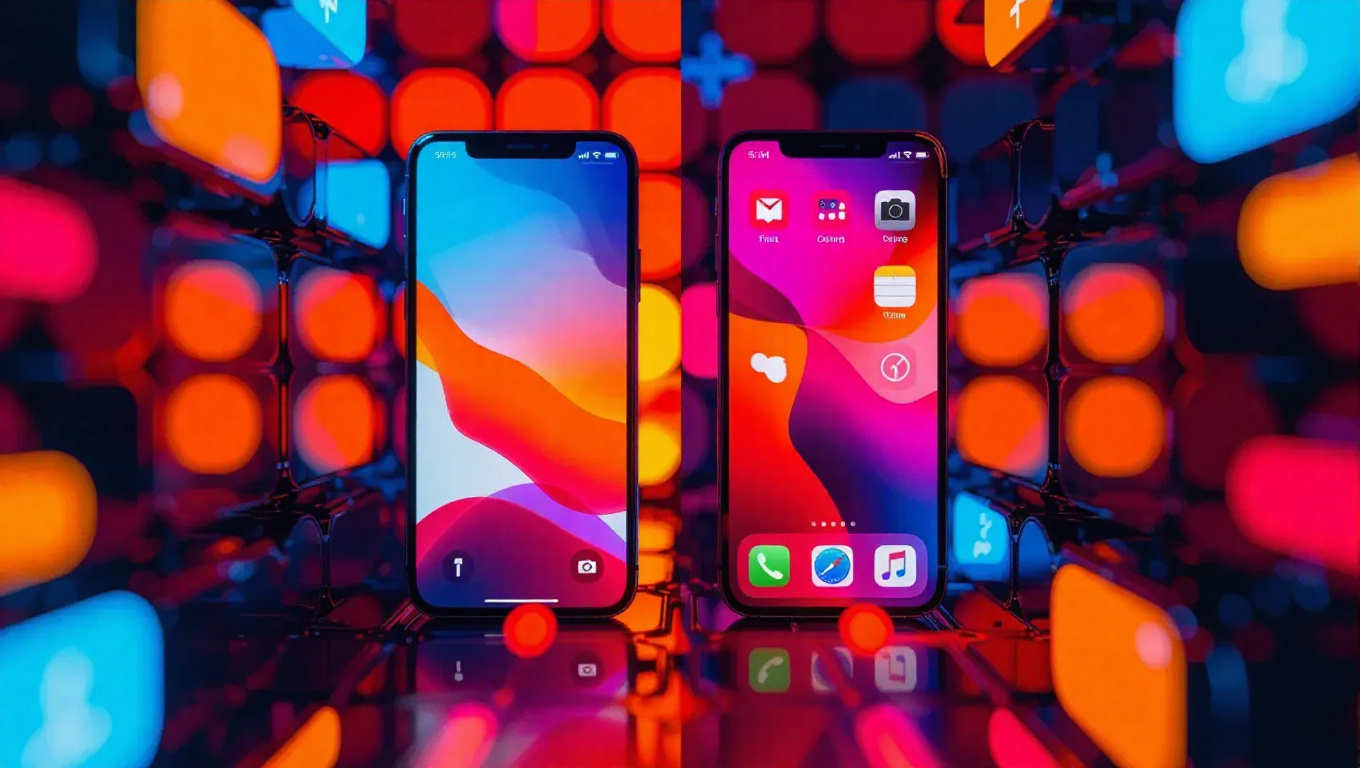
The visual similarities extend beyond superficial elements to include interaction patterns, animation styles, and even system-level interface components. What was once a clear distinction between the two platforms has become increasingly blurred, with Android interfaces adopting transparent effects, glass-like elements, and color schemes that mirror iOS implementations.
The Innovation Dilemma
This convergence raises fundamental questions about innovation in the mobile space. While some argue that adopting successful design elements represents smart market adaptation, others contend that it reflects a lack of creative vision and risk-taking among Android manufacturers. The concern isn't merely about aesthetic similarity but about what this trend suggests for the future of platform differentiation.
Historically, Android's strength has been its diversity and willingness to experiment with different interface approaches. This diversity allowed manufacturers to develop unique identities and cater to varied user preferences. The current trend toward iOS-like interfaces threatens to homogenize the Android experience, potentially diminishing the platform's traditional advantages.
User Experience Implications
From a user perspective, this convergence presents both benefits and drawbacks. On one hand, users switching between platforms may experience reduced learning curves and more consistent interaction patterns. On the other hand, the loss of distinctive design identities may reduce user choice and potentially stifle interface innovation.
The most concerning aspect of this trend is not the borrowing of individual design elements but the systematic adoption of entire design philosophies. When Android manufacturers prioritize mimicking iOS over developing their own innovative approaches, the entire ecosystem risks becoming derivative rather than pioneering.
Market Forces and Design Decisions
Market pressures undoubtedly influence these design decisions. With iOS maintaining significant market share in premium segments, Android manufacturers face pressure to create interfaces that feel familiar to potential switchers. However, this strategy carries risks, particularly if it leads to interfaces that feel like inferior copies rather than genuine alternatives.
The balance between market adaptation and creative innovation remains delicate. While some convergence is inevitable in a competitive market, the current extent of iOS imitation suggests Android manufacturers may be prioritizing short-term market considerations over long-term platform identity.
Conclusion: Finding the Right Balance
The trend of Android manufacturers adopting iOS design elements represents a complex intersection of market strategy, user expectations, and creative vision. While some level of design convergence is natural in a competitive market, the current extent of imitation raises legitimate concerns about innovation stagnation.
For Android to maintain its position as a vibrant, innovative platform, manufacturers must rediscover the balance between learning from competitors and developing distinctive design identities. The future of mobile interfaces depends not on which platform copies which, but on which can develop genuinely innovative approaches that push the entire industry forward.
The challenge for Android manufacturers is clear: they must decide whether to continue following iOS's design lead or to rediscover the innovative spirit that once made Android interfaces excitingly diverse and genuinely alternative to Apple's approach.