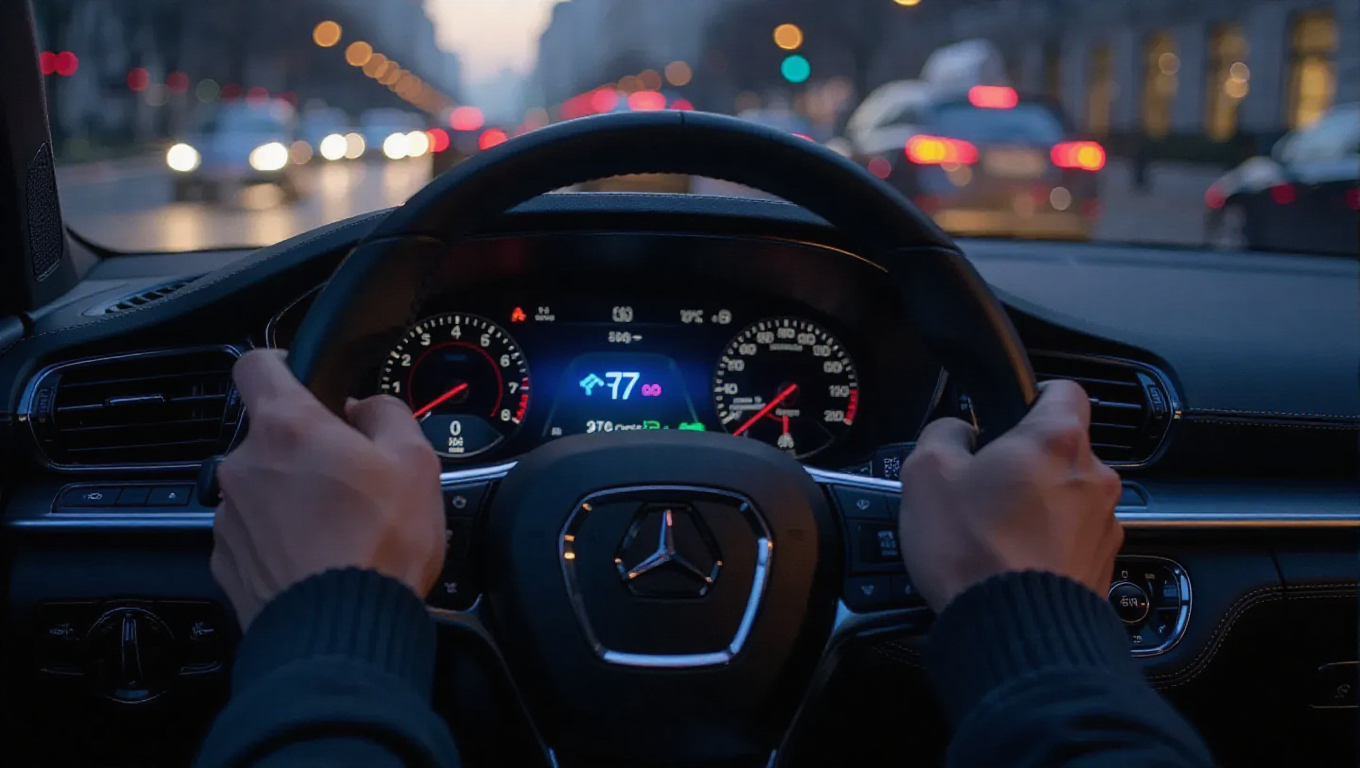
Android Auto Users Report Widespread Voice Command Failure
Android Auto, Google's in-car interface designed to minimize driver distraction, is facing a significant hands-free functionality issue that has frustrated users in recent days. Multiple reports indicate that voice commands have stopped working entirely for many drivers, displaying an error message that prevents essential navigation and media controls.
The Hands-Free Breakdown
The core problem manifests as a persistent message reading "Voice commands aren't available right now" that appears across the Android Auto interface. This error prevents users from accessing Google Assistant for navigation instructions, music playback controls, messaging, or any other voice-activated features while driving.
What makes this issue particularly concerning is its apparent widespread nature. Reports suggest the problem is not isolated to specific phone models or vehicle brands. Users across different automotive manufacturers and various Android smartphones have encountered the same voice command failure, indicating a systemic problem rather than device-specific incompatibility.
The timing of these reports coincides with recent Android Auto updates, though no specific version has been definitively linked to the issue. Some affected users have noted that the problem appears suddenly during normal operation, with voice commands working initially before becoming unavailable without apparent cause.
User Experiences and Workarounds
Affected drivers describe significant inconvenience and potential safety concerns. Without functional voice commands, users must resort to manual controls on their phone or vehicle display, which contradicts Android Auto's primary safety purpose of keeping drivers' hands on the wheel and eyes on the road.
Community discussions reveal various attempted solutions with mixed results. Some users report temporary success by clearing the cache for either the Google app or Android Auto application. Others have tried restarting their phones, disconnecting and reconnecting from their vehicles, or reinstalling the Android Auto app entirely.
However, no consistent fix has emerged from user experimentation. Many report that even when temporary solutions work, the voice command failure returns after some time or during subsequent driving sessions. This inconsistency suggests the problem may be related to server-side components or deeper system integration issues.
Safety Implications and Industry Context
The timing of this widespread voice command failure raises questions about hands-free technology reliability as automotive systems become increasingly dependent on voice interfaces. Android Auto's core value proposition centers on reducing driver distraction through seamless voice control, making this failure particularly problematic.
This incident occurs as automotive manufacturers and technology companies are pushing for more sophisticated voice-controlled systems in vehicles. The failure highlights the challenges of maintaining reliable voice recognition across diverse hardware configurations and network conditions.
While similar issues have occurred with competing systems like Apple CarPlay, the scale and persistence of this Android Auto problem appear unusual. The lack of an immediate official response or workaround has left many users seeking community solutions while waiting for a permanent fix.
Conclusion
The ongoing Android Auto voice command issue represents more than just a technical glitch—it undermines the fundamental safety premise of hands-free driving systems. As users await an official resolution, the incident serves as a reminder of the challenges in maintaining reliable voice interfaces across complex technological ecosystems.
For now, affected drivers should exercise additional caution and consider alternative navigation methods until a stable fix is deployed. The widespread nature of reports suggests Google is likely aware of the issue and working on a solution, though no timeline for resolution has been provided.