Android Auto Users Overwhelmingly Demand Video Playback Feature
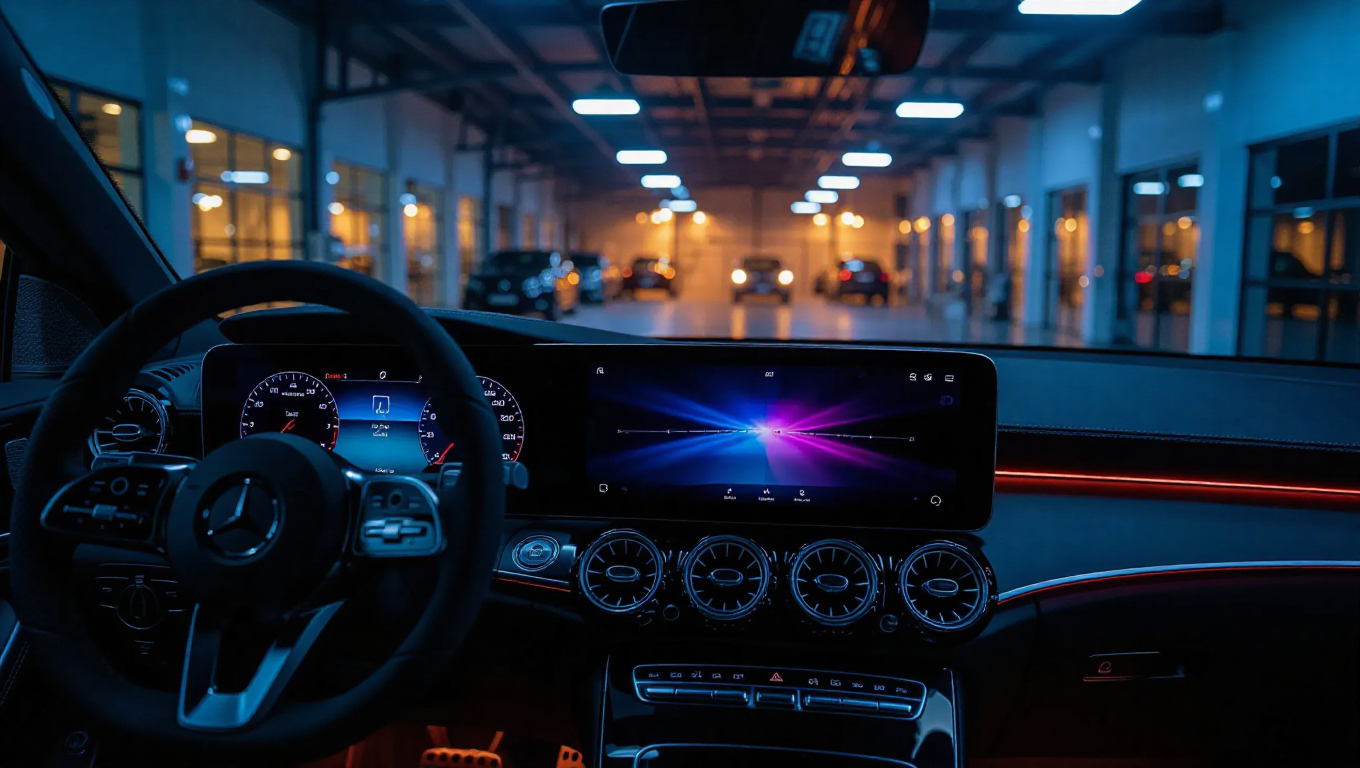
Modern vehicles increasingly feature large, high-resolution touchscreen displays as standard equipment, creating an expectation among drivers and passengers to utilize this screen real estate for more than just navigation and basic controls. Recent user feedback indicates a strong, clear desire for expanded entertainment capabilities within the Android Auto ecosystem, with a specific focus on video playback.
The Core Demand: Entertainment for Stationary Moments
The central request from the user base is not for unrestricted video access while driving, but rather for intelligent, context-aware functionality. Users express a desire to watch videos when the vehicle is safely parked, during charging stops for electric vehicles, or while waiting for passengers. The sentiment suggests that current restrictions, which broadly block video content, are seen as overly limiting given the capabilities of modern hardware.
There is a recognition of the primary safety concern—distracted driving. However, the argument presented is that technology already exists to mitigate this risk. Modern vehicles and smartphones are equipped with sensors that can detect motion. A proposed solution involves the system allowing video playback only when it detects the vehicle is stationary and the parking brake is engaged, similar to how other in-car systems restrict certain functions during motion.
Technical Feasibility and User Expectations
The demand highlights a perceived gap between hardware capability and software permission. The large screens in many new cars are technically capable of displaying high-quality video, leading to user frustration when that potential goes unrealized. This is compounded by the prevalence of video content in daily life, from streaming services to educational videos and video calls.
Users point to existing precedents within Android Auto and similar systems that already employ contextual restrictions. For instance, text input for navigation is often disabled while the car is moving, forcing the use of voice commands. This demonstrates a framework for safe, conditional access that could logically be extended to media playback. The core user request is for a more nuanced approach that differentiates between a moving vehicle and a parked one, transforming the car's interior into a more versatile space.
Market Implications and Future Possibilities
This strong user feedback points to a significant opportunity for enhancing the in-car experience. As vehicles evolve into more connected spaces, user expectations for entertainment and productivity features are rising. Addressing this demand could make a platform more attractive to consumers, especially families or individuals who spend significant time in their vehicles outside of pure transit, such as during road trips or daily commutes with long stationary periods.
The discussion also opens the door to considerations about content types. While entertainment is a primary driver, potential uses could extend to video conferencing for remote workers on break, instructional videos for DIY tasks, or even rear-seat entertainment systems controlled from the front display. The underlying theme is a push for the car's infotainment system to be as flexible and context-aware as the smartphones it connects to.
Conclusion
The message from Android Auto users is clear and nearly unanimous: there is a strong and logical desire for video playback functionality in scenarios where it does not compromise safety. The request is not for a free-for-all but for an intelligent feature that respects driving conditions. This feedback underscores a broader trend where consumers expect their digital ecosystems—including their vehicles—to offer seamless, intelligent, and versatile experiences. How platform developers respond to this clear demand could become a differentiator in the competitive landscape of connected car technology.