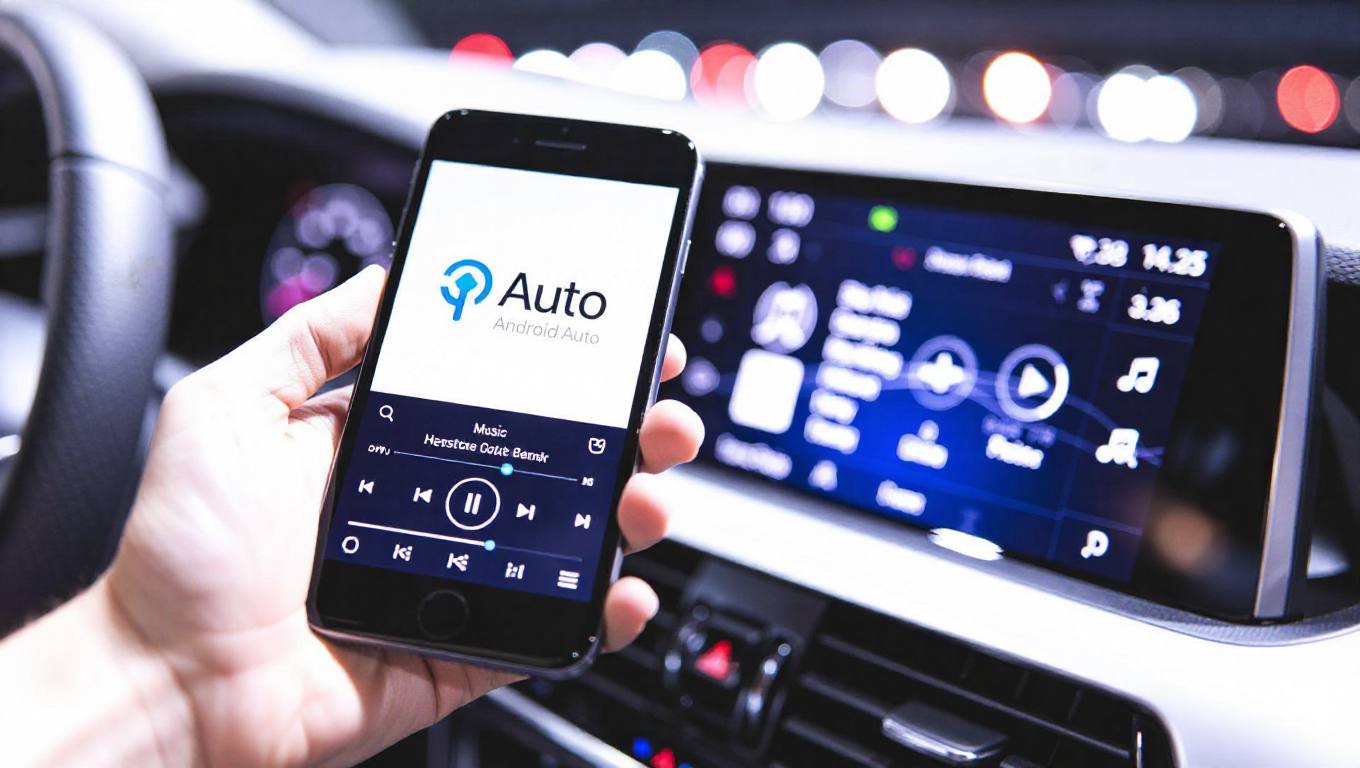
Android Auto's Wavy Music Player Disappears Amid User Reports of Control Issues
The Android Auto interface has undergone subtle but noticeable changes in recent months, with one of the most prominent being a redesigned music player featuring a distinctive wavy progress bar and updated layout for services like YouTube Music. However, this visual refresh appears to have been short-lived for many users.
The Vanishing Interface
Multiple users participating in beta programs have reported that the newer media player design has disappeared from their Android Auto systems after briefly appearing in recent software versions. The interface, which replaced the traditional straight progress bar with a more dynamic, waveform-style visualizer, had been rolling out gradually before suddenly reverting to the previous design for many testers.
The change wasn't merely cosmetic—the updated layout also included tweaks to how music services were displayed and interacted with, potentially affecting user experience beyond just visual appeal.
Technical Troubles Prompt Rollback
While the wavy design received generally positive feedback for its modern appearance, technical issues appear to have prompted its removal. Reports indicate that the updated interface caused steering wheel media controls to malfunction in certain vehicle models. This critical functionality problem—where users couldn't reliably skip tracks, adjust volume, or pause playback using their vehicle's built-in controls—likely forced developers to pull the feature until a fix could be implemented.
The decision to roll back the update reflects a pragmatic approach to software development, prioritizing core functionality over aesthetic improvements. Many users have expressed understanding of this decision, acknowledging that while they appreciated the visual refresh, reliable control functionality is essential for safe driving experiences.
Future of Android Auto's Interface
The temporary disappearance of the wavy music player doesn't necessarily mean the design has been abandoned permanently. Similar interface changes often undergo multiple iterations in beta testing before reaching stable releases. The current situation suggests developers identified a compatibility issue that needs addressing before wider deployment.
This incident highlights the challenges of developing for Android Auto's fragmented ecosystem, where software must interact seamlessly with countless vehicle models, each with their own implementation of steering wheel controls and infotainment systems. What works perfectly in one car might cause unexpected issues in another, requiring careful testing and gradual rollout strategies.
Conclusion
The brief appearance and subsequent disappearance of Android Auto's wavy music player demonstrates the careful balance developers must strike between innovation and reliability. While users may miss the visual flair of the new design, most agree that pulling back a feature that breaks core functionality is the responsible choice. The incident serves as a reminder that even seemingly minor interface changes can have significant implications for user experience, particularly in automotive contexts where safety and reliability are paramount.
As Android Auto continues to evolve, users can expect to see the wavy player or similar interface improvements return once compatibility issues are resolved. For now, the focus remains on ensuring that basic controls work reliably across all supported vehicles—a foundation that must be solid before any aesthetic enhancements can truly shine.