Android Auto's Squiggly Media Player Expands to More Users
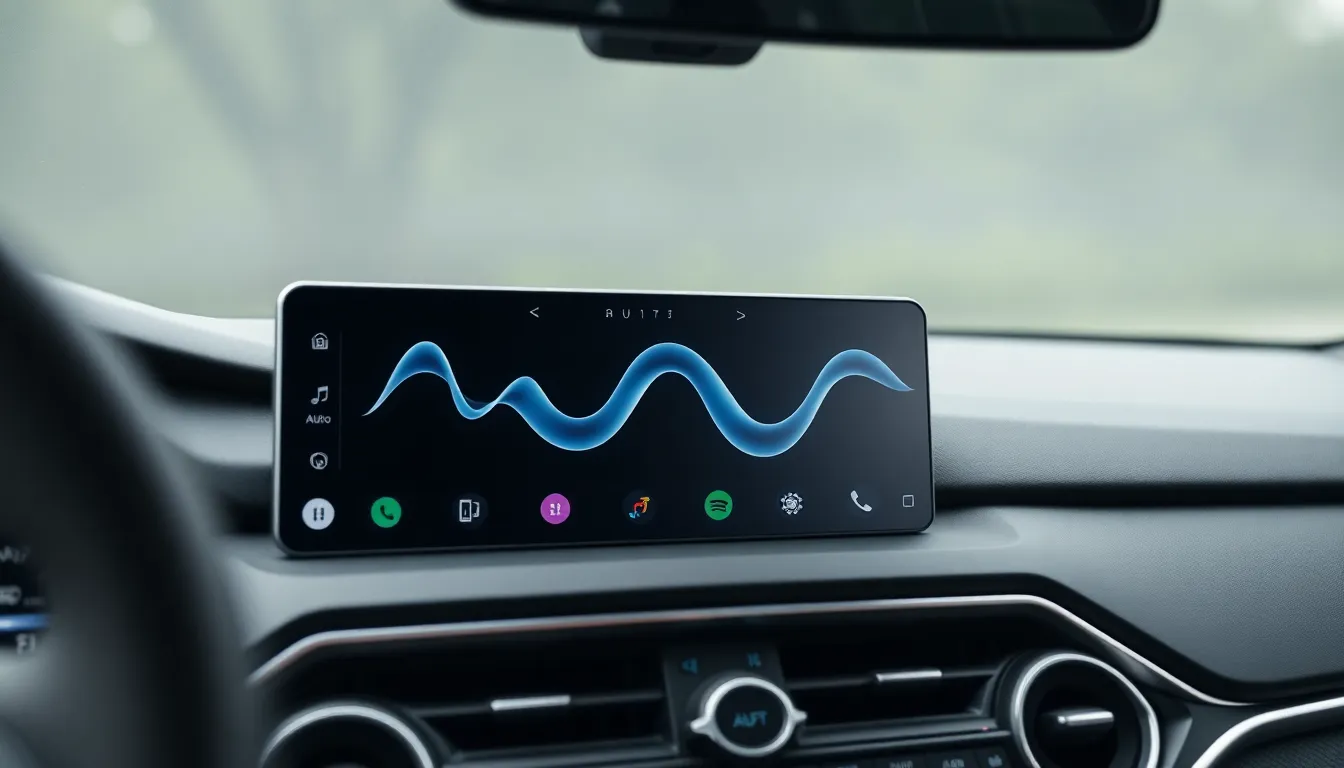
Google's redesigned media player for Android Auto, featuring a distinctive squiggly aesthetic from Material 3's expressive design language, is now reaching a broader audience. After a gradual initial rollout earlier this year, the update appears to be distributing more widely this week, bringing a fresh visual interface to in-car infotainment systems.
A Gradual Rollout Gains Momentum
The squiggly media player represents a significant visual overhaul for Android Auto, moving away from more traditional rectangular designs toward the fluid, organic shapes characteristic of Material 3's expressive elements. This design philosophy emphasizes dynamic motion and playful geometry, creating interfaces that feel more alive and responsive.
Initial implementation of this redesign began earlier in the year but reached users at a measured pace. The slow rollout is typical of Google's approach to Android Auto updates, which often deploy in stages to ensure stability across diverse vehicle systems and smartphone combinations. The current expansion suggests testing has progressed sufficiently to support broader distribution.
Design and User Experience Implications
The squiggly interface elements serve both aesthetic and functional purposes. Beyond their visual appeal, these dynamic shapes can help guide user attention to important controls and information while driving. The design represents part of Google's broader effort to create more engaging, personality-driven interfaces across its ecosystem.
For drivers, the update means interacting with a media player that feels more modern and integrated with Google's current design language. The expressive elements may also improve glanceability—how quickly and easily drivers can absorb information while keeping their attention on the road—though this depends on individual user preferences and adaptation to the new visual style.
Implementation and Availability
As with most Android Auto updates, availability depends on multiple factors including server-side enablement, Android Auto app version, and compatibility with specific vehicle systems. Users typically receive updates automatically through the Android Auto app, though some may need to ensure they're running the latest version from the Google Play Store.
The expanded rollout doesn't necessarily mean all users will see the update immediately, as Google often employs phased deployments that can take weeks to reach everyone. However, the increased visibility this week indicates the feature is moving beyond limited testing groups toward mainstream availability.
Conclusion
Android Auto's squiggly media player represents more than just a visual refresh—it's part of Google's ongoing evolution toward more expressive, dynamic interfaces across its products. The expanded rollout brings this Material 3-inspired design to more drivers, potentially improving both aesthetics and usability during media playback while driving. As the update continues to distribute, users can expect a more visually engaging experience that aligns with Google's current design direction while maintaining the functionality needed for safe in-car operation.