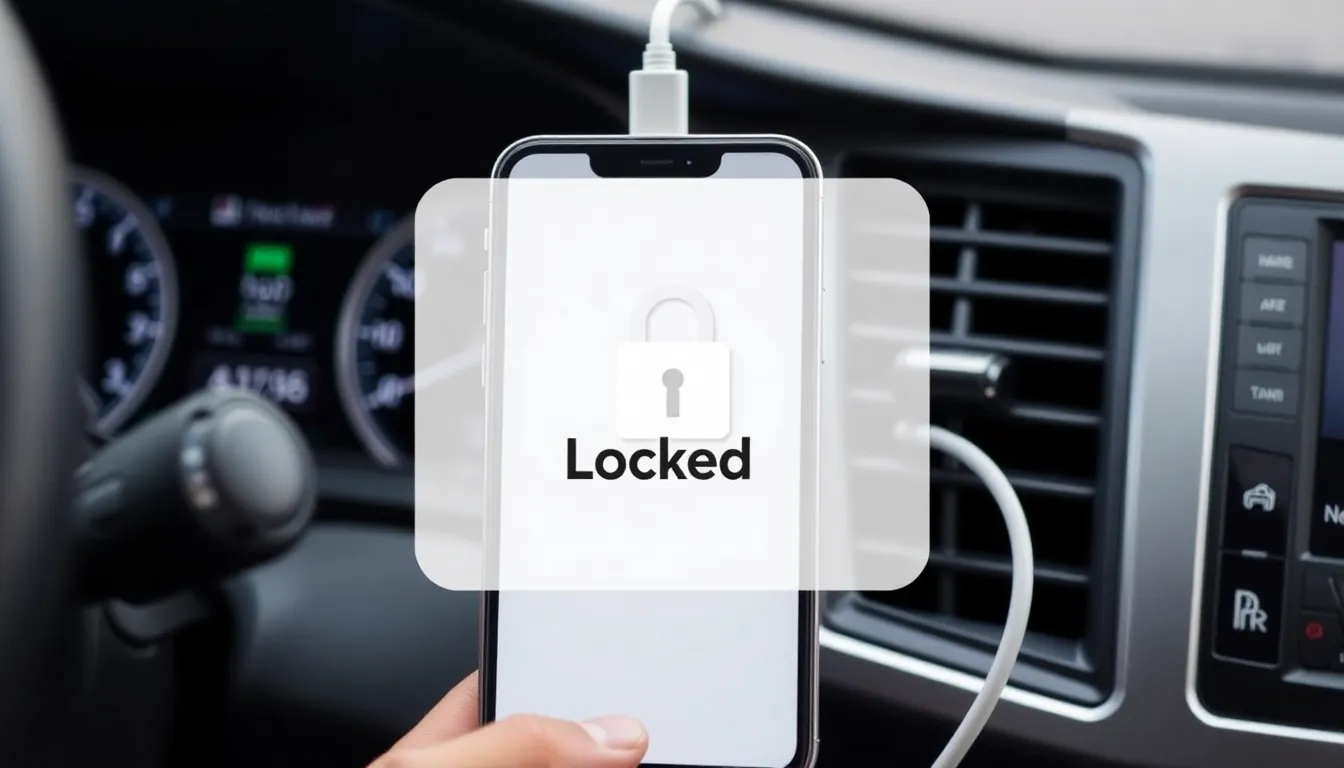
Android Auto Bug Forces Pixel Users to Unlock Phones for Wired Connection
A recent Android Auto update has introduced an inconvenient bug affecting Pixel smartphone users who rely on wired connections to their vehicles' infotainment systems. The issue disrupts the typical seamless experience of plug-and-play connectivity.
The Connectivity Disruption
Typically, Android Auto users can simply connect their phones via USB cable to their vehicle's system and have the interface launch automatically, even when the device is locked. However, following a March 2026 update, some Pixel owners are finding they must first unlock their phones before Android Auto will initiate.
The problem appears limited to wired connections, with wireless Android Auto functionality reportedly unaffected. Multiple Pixel models have been mentioned in user reports, including the Pixel 8, Pixel 9a, and Pixel 9 Pro XL, though the exact scope of affected devices remains unclear.
Users have confirmed that the "Start Android Auto while locked" setting remains enabled in their device settings, and Bluetooth connections are properly configured as trusted devices, yet the unlocking requirement persists.
Potential Causes and Google's Response
Evidence suggests Android's Advanced Protection feature may be contributing to the problem. This comprehensive security suite, which includes USB protection settings among other privacy tools, appears to be resetting configurations that normally allow Android Auto to function while devices are locked.
Google has acknowledged the issue through its support channels, though no specific timeline for a fix has been provided. The company's Android Community Support specialists are monitoring user reports and investigating the underlying cause.
User Impact and Workarounds
For affected users, the bug represents more than a minor inconvenience—it disrupts the hands-free experience that makes Android Auto valuable while driving. The requirement to unlock devices before connection adds an unnecessary step to what should be an automated process.
While no official workaround has been provided, some users may find temporary relief by adjusting USB protection settings or exploring alternative connection methods, though these approaches may compromise security or convenience.
Conclusion
This Android Auto bug highlights the delicate balance between security features and user convenience in modern smartphone ecosystems. As Google works to resolve the issue, affected Pixel users must contend with an interrupted automotive experience that undermines the seamless connectivity Android Auto typically provides. The situation serves as a reminder of how software updates, while intended to improve functionality, can sometimes introduce unexpected complications that disrupt daily routines.