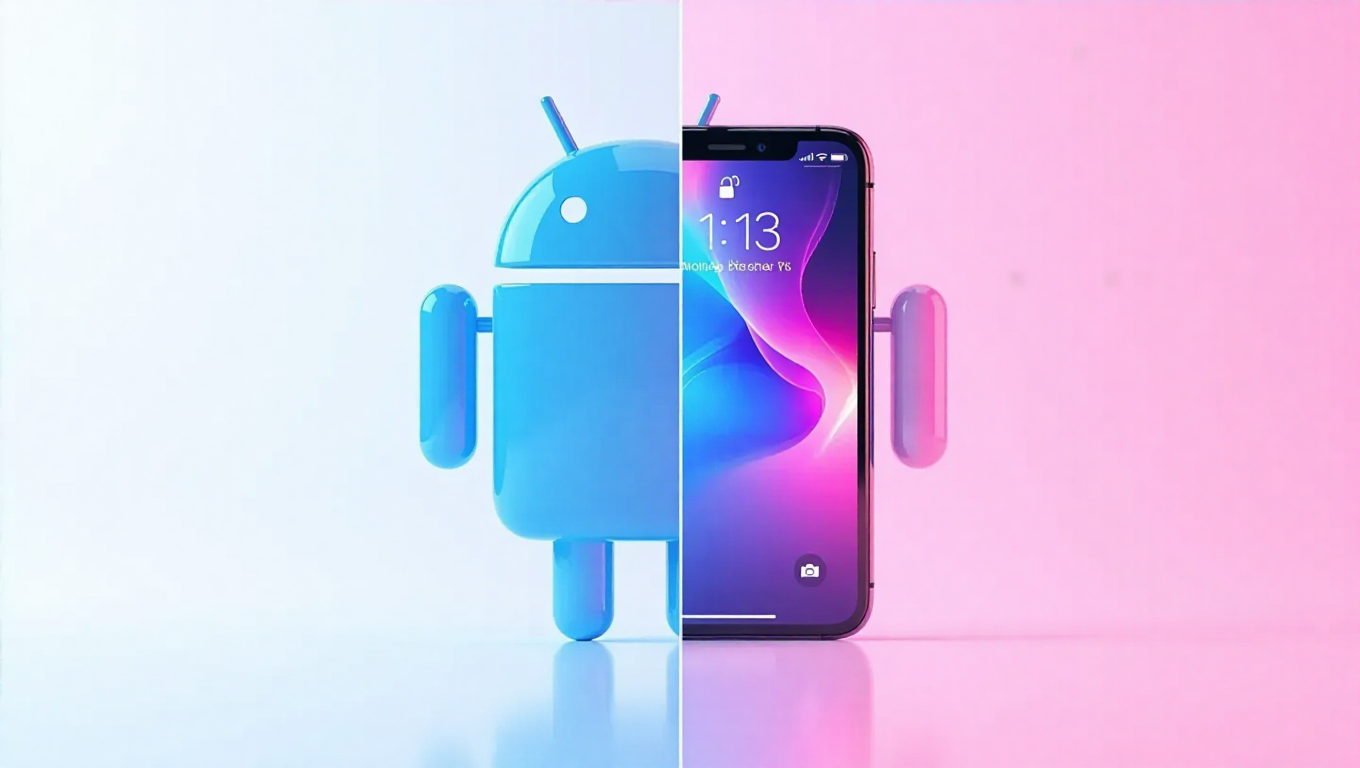
Android Apps Adopt Apple's Liquid Glass Design, Sparking Debate
A concerning trend is emerging in the Android ecosystem: app developers are increasingly defaulting to Apple's Liquid Glass design language instead of Google's Material 3. This shift is creating a disjointed user experience that feels foreign on Android devices, frustrating users who choose Android for its distinct identity and customization options.
The Core Issue: Default Design Choices
The problem isn't about choice or customization. Android has long celebrated user freedom, and third-party launchers offering Liquid Glass-inspired themes are generally welcomed as optional enhancements. The frustration stems from app developers making Liquid Glass the default interface, bypassing Google's Material 3 Expressive design system that was created specifically for Android.
This creates a jarring experience where native Android elements clash with Apple-inspired interfaces within the same device. Users report feeling like they're using a poorly implemented iOS clone rather than enjoying Android's unique design philosophy. The issue highlights a tension between developer convenience and platform integrity.
Material 3 vs. Liquid Glass: A Design Philosophy Clash
Google's Material 3 represents Android's latest design evolution, emphasizing expressive, adaptive interfaces that respond to user context and device capabilities. It's built around Android's core principles of customization and user control. Apple's Liquid Glass, while visually distinctive, represents a different design philosophy centered around iOS's specific interaction patterns and visual language.
When developers implement half-baked versions of Liquid Glass on Android, they often miss the nuanced interactions and system integrations that make the design work effectively on iOS. The result is frequently an aesthetic imitation that lacks the functional coherence of either platform's native design system.
The Impact on Android's Identity
This trend raises important questions about platform identity. Android has historically offered an alternative to Apple's walled garden approach, with diverse design expressions across manufacturers and apps. The creeping homogenization toward Apple's design language threatens to dilute what makes Android unique.
Users who specifically choose Android devices often do so because they prefer Google's design philosophy or want to avoid Apple's ecosystem. When their favorite apps default to iOS-inspired interfaces, it undermines their platform choice and creates cognitive dissonance in their daily device interactions.
Looking Forward: Design Consistency vs. Developer Freedom
The situation presents a complex challenge for the Android ecosystem. On one hand, Android's openness allows developers creative freedom. On the other, platform consistency benefits users through predictable interactions and cohesive experiences. Some observers suggest that Google could provide stronger incentives or clearer guidelines for Material 3 adoption without compromising Android's open nature.
The ideal solution would balance developer flexibility with platform coherence, ensuring that Android maintains its distinct identity while still welcoming innovative design approaches. As the trend continues, both developers and users will need to consider what truly defines the Android experience and how design choices shape platform perception.
Conclusion
The proliferation of Apple's Liquid Glass design in Android apps represents more than just an aesthetic preference—it touches on fundamental questions about platform identity and user experience. While Android's strength has always been its flexibility and customization options, the platform risks losing its distinctive character when developers default to another ecosystem's design language.
As the mobile landscape evolves, maintaining clear design boundaries between platforms may become increasingly important for preserving user choice and platform integrity. The current trend serves as a reminder that design decisions carry weight beyond mere visuals—they shape how users perceive and interact with their chosen technology ecosystems.