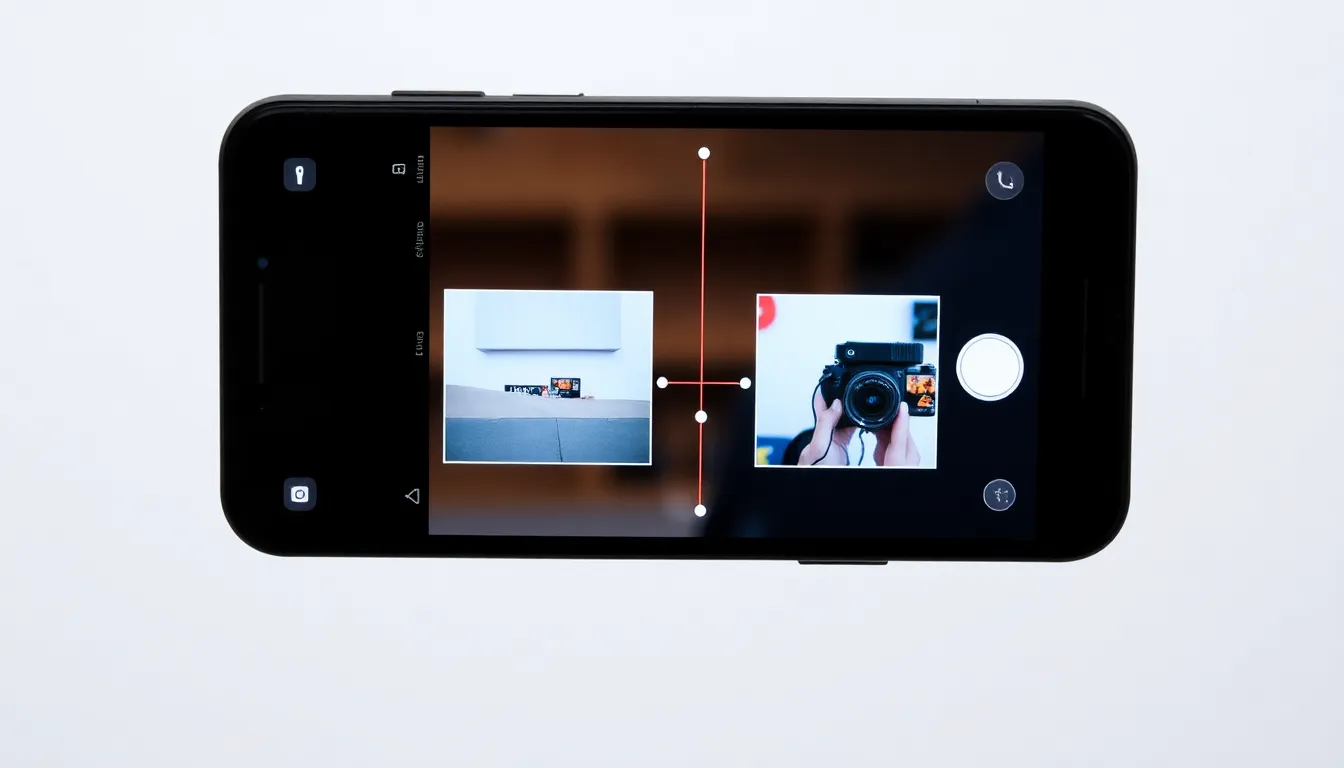
Android 17 Could Make Your Phone’s Best Camera Features Work in Every App
A significant but understated upgrade in the latest Android 17 beta promises to address one of the platform's most persistent user frustrations: the disparity in camera quality between a phone's native camera app and third-party applications. The introduction of vendor-defined camera extensions could fundamentally change how Android handles photography across the ecosystem.
Bridging the Camera Quality Gap
For years, Android users have experienced a noticeable difference when taking photos through social media apps like Instagram or Snapchat compared to their device's dedicated camera application. This occurs because third-party apps typically access only the basic camera functions through Android's standard APIs, missing out on the proprietary computational photography algorithms, specialized HDR processing, night mode enhancements, and other advanced features that manufacturers painstakingly develop for their native camera software.
The new framework in Android 17 creates a standardized channel for device manufacturers to expose these custom camera capabilities to any application that chooses to implement them. Rather than relying on workarounds or limited partnerships, this system-level approach could make advanced photographic features universally accessible.
How Vendor-Defined Extensions Work
Vendor-defined camera extensions function as a bridge between hardware-specific camera implementations and the broader Android application ecosystem. Phone manufacturers can define custom extensions that expose their unique camera capabilities through a standardized interface. Third-party app developers can then query which extensions are available on a particular device and implement support for those features within their applications.
This technical advancement means that when you open your favorite social media app on a future Android 17 device, the app could potentially access the same computational photography stack, portrait mode algorithms, or low-light enhancements that make your phone's native camera photos exceptional. The implementation represents a shift from Google's previous approach of trying to standardize camera features at the platform level to instead creating a framework that celebrates and shares hardware differentiation.
Implementation Challenges and Timeline
The success of this feature depends on adoption across multiple layers of the Android ecosystem. First, device manufacturers must invest development resources to expose their camera features through the new extension framework. Second, app developers need to implement support for these extensions, which may require additional development work and testing across different device manufacturers.
Given that Android 17 is currently in beta testing, widespread implementation likely won't occur until later this year or early next year when devices begin shipping with the new operating system. The feature's impact will also vary by manufacturer, with companies that invest heavily in computational photography potentially seeing the greatest benefits from this new capability.
A More Cohesive Android Experience
If successfully implemented across the ecosystem, vendor-defined camera extensions could represent one of Android 17's most impactful quality-of-life improvements. Users would no longer need to choose between using their phone's best camera features or their preferred social and messaging applications. The distinction between "camera app photos" and "app photos" could gradually disappear, creating a more consistent photographic experience regardless of which application initiates the capture.
This development also positions Android more competitively against platforms that have traditionally offered more consistent camera performance across applications. By leveraging the diversity of Android's hardware ecosystem rather than trying to homogenize it, Google appears to be pursuing a strategy that could benefit manufacturers, developers, and users simultaneously.
Conclusion
Android 17's vendor-defined camera extensions represent a thoughtful solution to a long-standing platform limitation. While the feature's ultimate success depends on manufacturer and developer adoption, the technical foundation now exists to bridge the gap between proprietary camera innovations and third-party application access. For Android users who value photographic quality, this could mean that the advanced features they appreciate in their phone's native camera app will eventually become available wherever they choose to take photos, creating a more unified and capable mobile photography experience.