Android 17 Could Finally Fix One of the Most Annoying VPN Problems
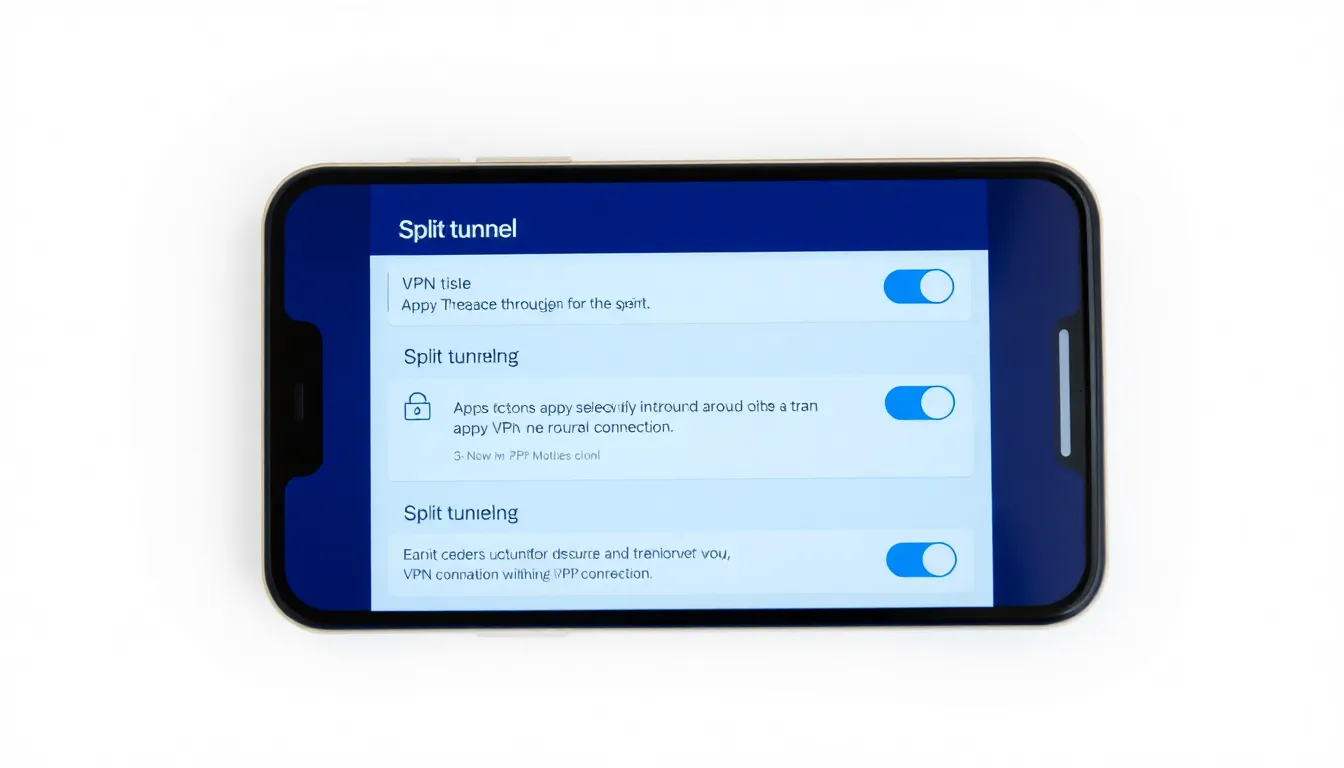
For years, Android users have struggled with inconsistent VPN implementations, particularly when it comes to split tunneling. This feature, which allows users to exclude specific apps from VPN connections, has been available in many popular VPN services but with wildly varying quality and accessibility. Android 17 appears poised to solve this fragmentation by introducing standardized, system-level split tunneling support.
The Split Tunneling Problem
Split tunneling represents a critical functionality for modern VPN users who want to balance privacy with practicality. While services like NordVPN and Surfshark have offered split tunneling capabilities on Android, the implementations have been notoriously inconsistent. Some apps bury the feature deep in complex settings menus, others offer limited app selection options, and some VPN providers simply don't support it at all.
This fragmentation creates a frustrating user experience where the same feature works completely differently—or not at all—depending on which VPN service someone chooses. Users often find themselves navigating confusing interfaces or compromising on their privacy preferences simply because their chosen VPN handles split tunneling poorly.
Android 17's System-Level Solution
With Android 17 Beta 3, Google is addressing this problem at its core. The upcoming operating system version introduces standardized split tunneling support at the system level, meaning VPN apps will have a consistent framework to implement this feature. This approach promises several significant improvements for users.
First, the feature should become more reliable and predictable across different VPN applications. Instead of each developer creating their own implementation from scratch, they can now build upon Google's standardized framework. Second, the user interface for managing split tunneling should become more consistent, making it easier for users to understand and control which apps use the VPN connection.
This system-level approach also means that even VPN services that previously didn't offer split tunneling will now have a straightforward way to implement it, potentially expanding the availability of this important feature across the Android VPN ecosystem.
Implications for Privacy and Performance
The standardization of split tunneling represents more than just a convenience feature—it has significant implications for both privacy and device performance. By making it easier to exclude bandwidth-intensive apps like streaming services from VPN connections, users can maintain their privacy for sensitive activities while enjoying better performance for media consumption.
This development also reflects a broader trend in Android's evolution toward better privacy controls and user empowerment. As VPN usage continues to grow globally, with users increasingly concerned about data privacy and security, Android's move to standardize this critical feature demonstrates Google's recognition of VPNs as essential tools rather than niche applications.
Conclusion
Android 17's system-level split tunneling support represents a significant step forward in making VPNs more user-friendly and effective on mobile devices. By addressing the fragmentation that has plagued this feature for years, Google is not only solving a persistent annoyance but also empowering users with better control over their privacy and network performance. As Android 17 moves toward public release, VPN users can look forward to a more consistent, reliable experience that finally delivers on the promise of flexible, user-controlled privacy protection.