Android 17's Leaked UI Looks Great — And Is a Huge Mistake
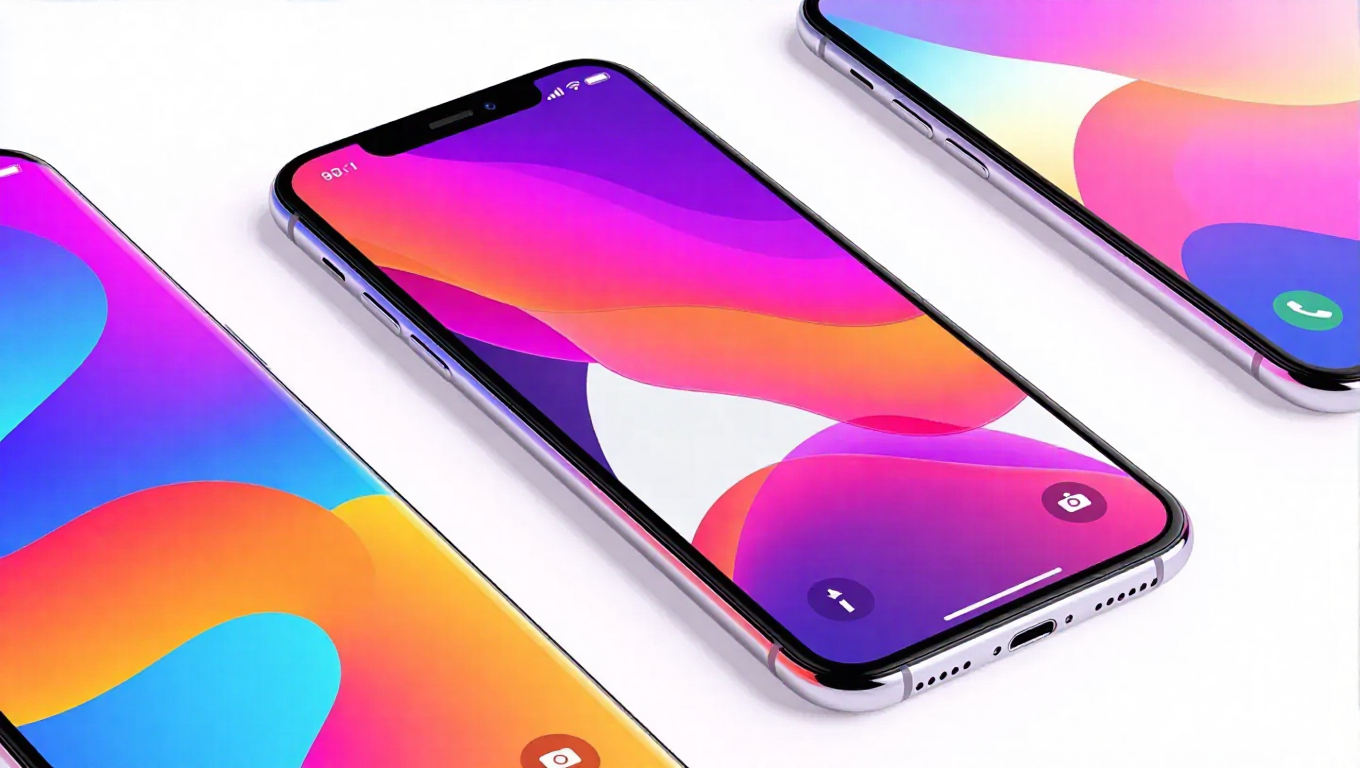
Recent leaks of Android 17's user interface have generated significant buzz in the tech community, revealing what appears to be Google's most visually refined Android skin to date. The Material 3 Expressive UI represents a substantial evolution in Google's design language, featuring bouncy animations, responsive interactions, and distinctive visual elements that create an engaging user experience. However, beneath this aesthetic polish lies a potentially problematic strategy that could undermine Android's ecosystem.
The Design Triumph
The leaked interface showcases Google's commitment to creating a more expressive and dynamic Android experience. The Material 3 Expressive UI introduces fluid animations that respond naturally to user interactions, creating a sense of physicality and responsiveness that previous Android versions lacked. Large, clearly defined buttons and distinctive shapes provide excellent visual hierarchy, while the color system offers both consistency and personality across applications.
This design approach appears to prioritize user delight and engagement, creating an interface that feels alive and responsive. The attention to detail in transitions and micro-interactions suggests Google has invested significant resources in refining the user experience beyond mere functionality. The result is an Android skin that competes directly with the polished interfaces found on premium devices from other manufacturers.
The Strategic Problem
Despite its visual appeal, the Material 3 Expressive UI presents several challenges for Android's broader ecosystem. The most significant concern involves fragmentation—a longstanding issue that Google has struggled to address effectively. This new interface requires substantial implementation effort from device manufacturers, potentially creating delays in adoption and inconsistent experiences across different Android devices.
Furthermore, the demanding nature of the animations and visual effects may strain hardware resources on mid-range and budget devices, creating performance disparities that could frustrate users. Developers face additional challenges in adapting their applications to this new design language, potentially slowing innovation and creating compatibility issues across Android versions.
Ecosystem Implications
The introduction of such a distinctive interface at this stage in Android's development raises questions about Google's strategic priorities. While visual refinement is important, it must be balanced against the practical realities of Android's diverse hardware landscape and developer ecosystem. Reports indicate that the implementation requirements for this new UI could create barriers for manufacturers already struggling with timely Android updates.
Additionally, the focus on expressive design elements may come at the expense of accessibility and usability for certain user groups. The bold visual choices, while aesthetically pleasing, could potentially create challenges for users with visual impairments or those who prefer more minimalist interfaces.
Conclusion
Android 17's leaked Material 3 Expressive UI represents both a design achievement and a potential strategic misstep. While Google has created what appears to be its most visually compelling Android interface yet, the implementation challenges and ecosystem implications cannot be ignored. The success of this design language will depend not only on its aesthetic appeal but on Google's ability to ensure broad, consistent adoption across the Android ecosystem without exacerbating existing fragmentation issues.
As Android continues to evolve, balancing innovation with ecosystem stability remains Google's greatest challenge. The Material 3 Expressive UI demonstrates impressive design ambition, but its ultimate impact will be determined by how effectively Google addresses the practical implementation challenges it presents to manufacturers, developers, and users across the diverse Android landscape.