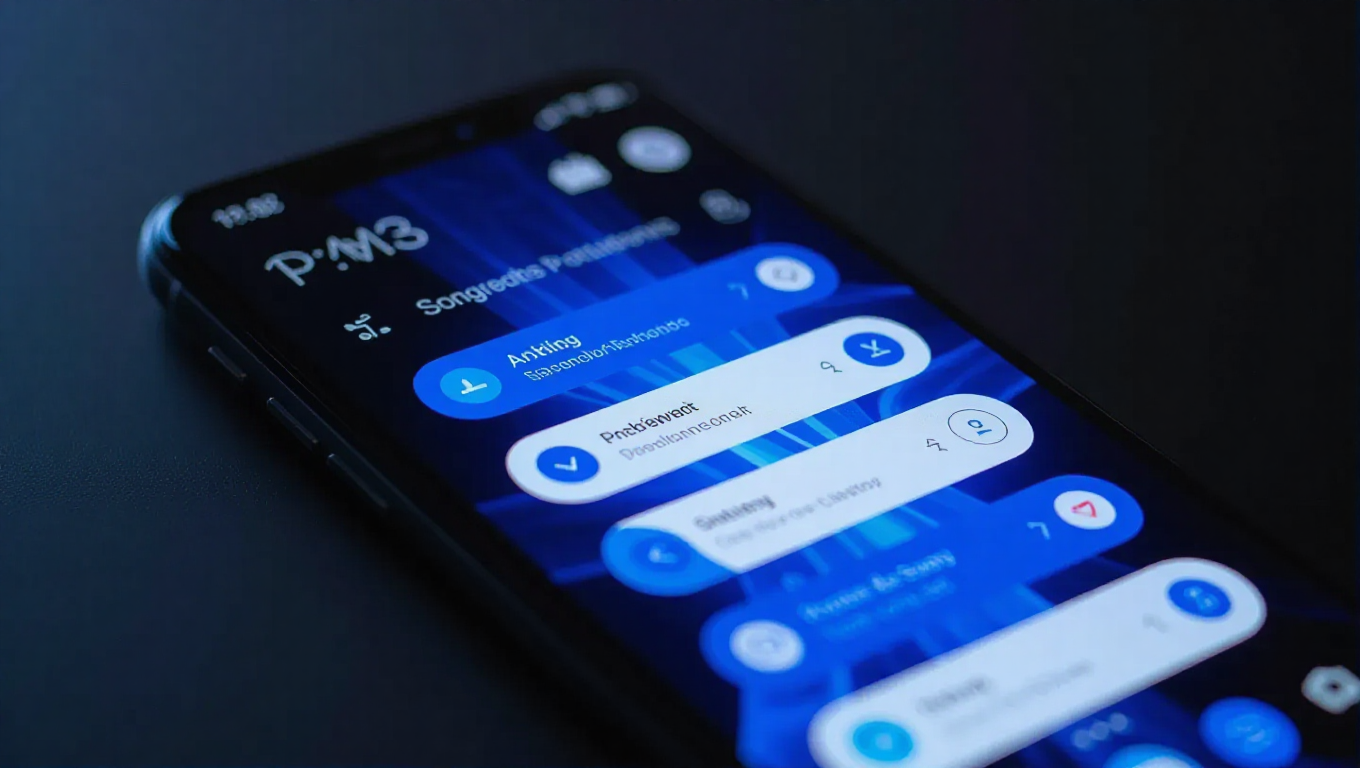
Android 17 Leak Reveals Split Notifications & Quick Settings Panels
Newly leaked images provide the clearest look yet at Android 17's rumored interface overhaul, showing a complete separation of notifications and quick settings panels. This design change, which has been anticipated for approximately a year, represents one of the most significant visual updates to Android's core user interface in recent memory.
A Long-Awaited Interface Redesign
The leaked screenshots confirm what many Android enthusiasts have speculated about for months. Instead of the current unified panel that combines notifications with quick toggles for Wi-Fi, Bluetooth, and other settings, Android 17 appears to implement two distinct panels. This separation allows for more dedicated space for both functions, potentially reducing clutter and improving accessibility.
Visual evidence shows a clean implementation where users can access notifications through one swipe gesture and quick settings through another. The design maintains Android's material design language while introducing a more organized approach to system controls. The quick settings panel appears to feature larger, more distinct icons with additional customization options visible in the leaks.
Practical Implications for Users
This architectural change addresses long-standing user feedback about notification management on Android devices. With separate panels, notifications won't compete for screen space with frequently used settings toggles, potentially making both functions more efficient to use. The redesign could be particularly beneficial on larger-screen devices where screen real estate allows for more expansive panels.
The leaks suggest the new system maintains gesture-based navigation, with different swipe directions or areas of the screen triggering the respective panels. This approach aligns with modern smartphone interaction patterns while providing clearer separation between notification viewing and system control functions.
Evolution of Android's Interface
This potential redesign continues Android's gradual evolution toward more distinct functional areas within the operating system. Previous versions have experimented with notification organization and quick settings accessibility, but the complete separation shown in these leaks represents a more fundamental restructuring of how users interact with core system functions.
The visual design in the leaks shows thoughtful attention to consistency with existing Android design patterns while introducing this significant structural change. Color schemes, iconography, and layout principles appear to maintain continuity with current Android versions, suggesting this change focuses on functional improvement rather than visual overhaul.
Looking Ahead to Android 17
While these leaks provide substantial visual evidence of the split panel design, the complete feature set and implementation details of Android 17 remain to be officially confirmed. The separation of notifications and quick settings represents a logical progression in Android's interface development, addressing usability concerns that have emerged as notification volumes and quick settings options have expanded over time.
This leaked design suggests Google continues to refine Android's user experience based on evolving usage patterns and device capabilities. The split panel approach could set the foundation for more sophisticated notification management and system control features in future Android iterations, potentially influencing how users interact with their devices on a fundamental level.