Android 17 Enhances Camera Performance and App Adaptability for Foldables and Tablets
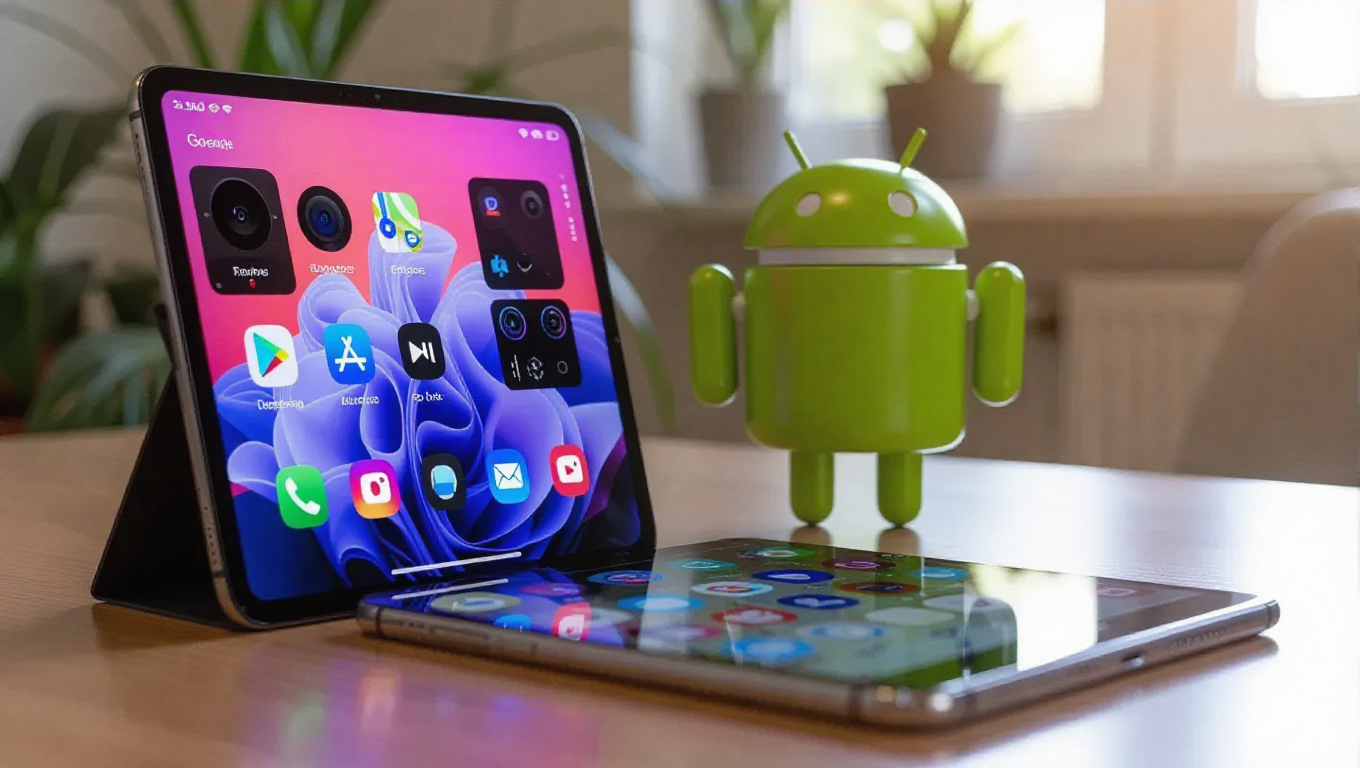
Google's upcoming Android 17 update represents a significant step forward for large-screen Android devices, with key improvements targeting camera performance and application behavior on foldable phones and tablets. While the first beta release has been delayed, the announced features indicate Google's commitment to refining the Android experience for modern device form factors.
Mandatory App Adaptability for Large Screens
One of the most impactful changes in Android 17 involves new requirements for application developers. Google will no longer permit developers to lock their apps to specific orientations or sizes, forcing them to create more adaptable applications that work properly across different screen configurations. Apps targeting Android 17's SDK 37 must properly support resizing and windowed multitasking, which should significantly improve the user experience on devices like Samsung's Galaxy Tab and Galaxy Z Fold series.
This change addresses a long-standing issue where applications designed primarily for traditional smartphones often behave poorly on larger screens or in multi-window configurations. The new requirements should lead to more consistent app behavior across the Android ecosystem, particularly benefiting users of foldable devices and tablets who frequently use applications in split-screen or floating window modes.
Professional Camera APIs and Performance Improvements
Android 17 introduces professional-grade camera APIs designed to create smoother transitions between different camera lenses on compatible devices. These improvements aim to eliminate the freezes, hiccups, and stutters that sometimes occur when opening the camera app or switching between ultrawide, primary, telephoto, and front-facing cameras.
The update also allows developers to access metadata from all camera sensors simultaneously, even when only one camera is actively in use. This capability enables applications to understand what other cameras are seeing, potentially leading to more intelligent camera behavior and smoother zoom transitions. These camera improvements represent a significant advancement for photography enthusiasts and should benefit all users who rely on their device's camera capabilities.
Additional Features and Release Timeline
Beyond the camera and app adaptability improvements, Android 17 includes several other noteworthy features. The update adds support for Versatile Video Coding (VVC/H.266), a video compression format that enables higher-quality video at smaller file sizes. VoIP calls from applications like Messenger, Telegram, and WhatsApp can now appear in the phone's built-in dialer app when developers implement support.
New device profiles for "Fitness Trackers" and "Medical Devices" simplify the connection process by allowing multiple required permissions to be granted through a single prompt. Android XR devices also receive improvements for more responsive app behavior during user interactions and display state changes.
Most of these updates are developer-focused, meaning users will notice them primarily after application developers implement support. The stable version of Android 17 is expected to roll out around June 2026, following several beta releases and reaching developer stability in March 2026. Pixel devices will receive the update first, followed by other eligible Android phones and tablets.
Conclusion
Android 17 represents a thoughtful evolution of Google's mobile operating system, with particular attention paid to improving the experience on modern device form factors. The mandatory app adaptability requirements should finally address the inconsistent application behavior that has plagued foldable and tablet users, while the professional camera APIs promise smoother photography experiences across all compatible devices.
While many of these improvements are developer-facing and will take time to manifest in user applications, they lay important groundwork for a more cohesive Android ecosystem. As the update progresses through beta testing toward its mid-2026 stable release, users of large-screen Android devices can look forward to more polished experiences that better leverage their hardware capabilities.