Android 16 QPR3 Brings Adaptive Connectivity Auto-Switch and Enhanced Battery Settings to Pixel Phones
Google's latest quarterly platform release for Android 16, known as QPR3, is rolling out to Pixel devices with significant enhancements to network management and battery controls. This update focuses on giving users more granular control over how their devices handle connectivity and power consumption, addressing common concerns about battery life and network efficiency in modern smartphones.
Adaptive Connectivity Gets Smarter with Auto-Switch
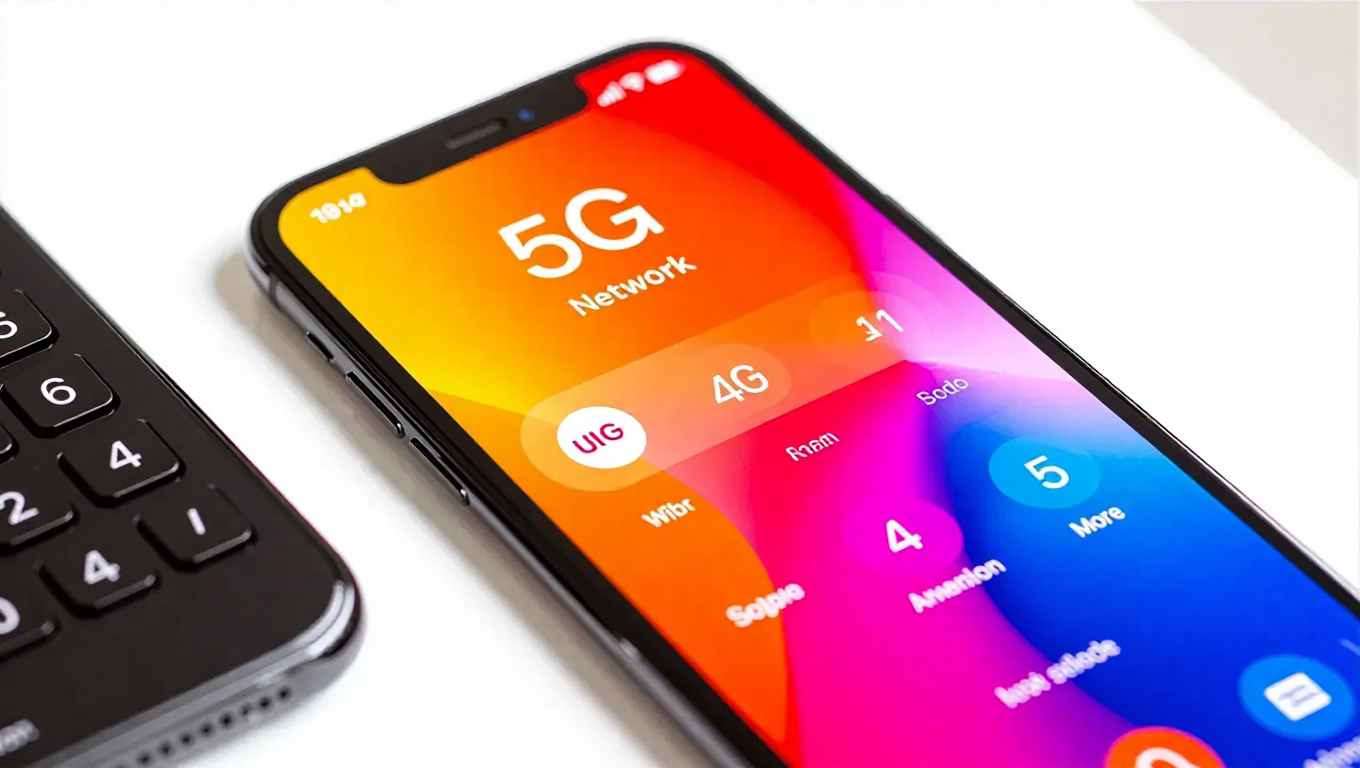
The standout feature in Android 16 QPR3 is the enhanced Adaptive Connectivity system, which now includes an automatic switching capability. This functionality allows Pixel phones to intelligently toggle between 5G and 4G networks based on real-time usage patterns and network conditions. When the device detects that high-speed 5G connectivity isn't necessary for current activities—such as during background app updates or when the screen is off—it can automatically switch to more power-efficient 4G networks.
This intelligent switching aims to balance performance with battery conservation, potentially extending device runtime without users needing to manually adjust network settings. The system analyzes factors like app behavior, data transfer requirements, and signal strength to make these decisions dynamically throughout the day.
Refined Battery Management Controls
Alongside the connectivity improvements, Android 16 QPR3 introduces more detailed battery settings for Pixel users. These new controls provide greater transparency and customization options for how applications consume power. Users can now access per-app battery usage statistics with enhanced granularity, showing not just overall consumption but breakdowns by foreground and background activity.
The update also includes refined battery optimization suggestions that help identify apps with excessive power consumption patterns. These recommendations are presented in a more actionable format, allowing users to quickly adjust settings or restrict background activity for specific applications that may be draining battery unnecessarily.
Implementation and User Experience
The new Adaptive Connectivity features are integrated into the existing network settings menu, where users can enable or disable the auto-switch functionality according to their preferences. For those who prefer manual control, the traditional network mode selection remains available alongside the new automated option.
Initial observations suggest that the system operates transparently in the background, with subtle notifications indicating when network switches occur. The battery settings have been reorganized for clearer navigation, with consumption data presented in more intuitive visual formats that help users identify trends and make informed decisions about their device usage.
Conclusion
Android 16 QPR3 represents another step in Google's ongoing effort to optimize the Pixel experience through intelligent automation and enhanced user control. The Adaptive Connectivity auto-switch feature addresses the practical challenge of balancing network performance with battery longevity, while the refined battery settings provide users with better tools to manage their device's power consumption. These improvements demonstrate how software updates can meaningfully enhance smartphone functionality, particularly for users who prioritize both connectivity reliability and extended battery life in their daily device usage.