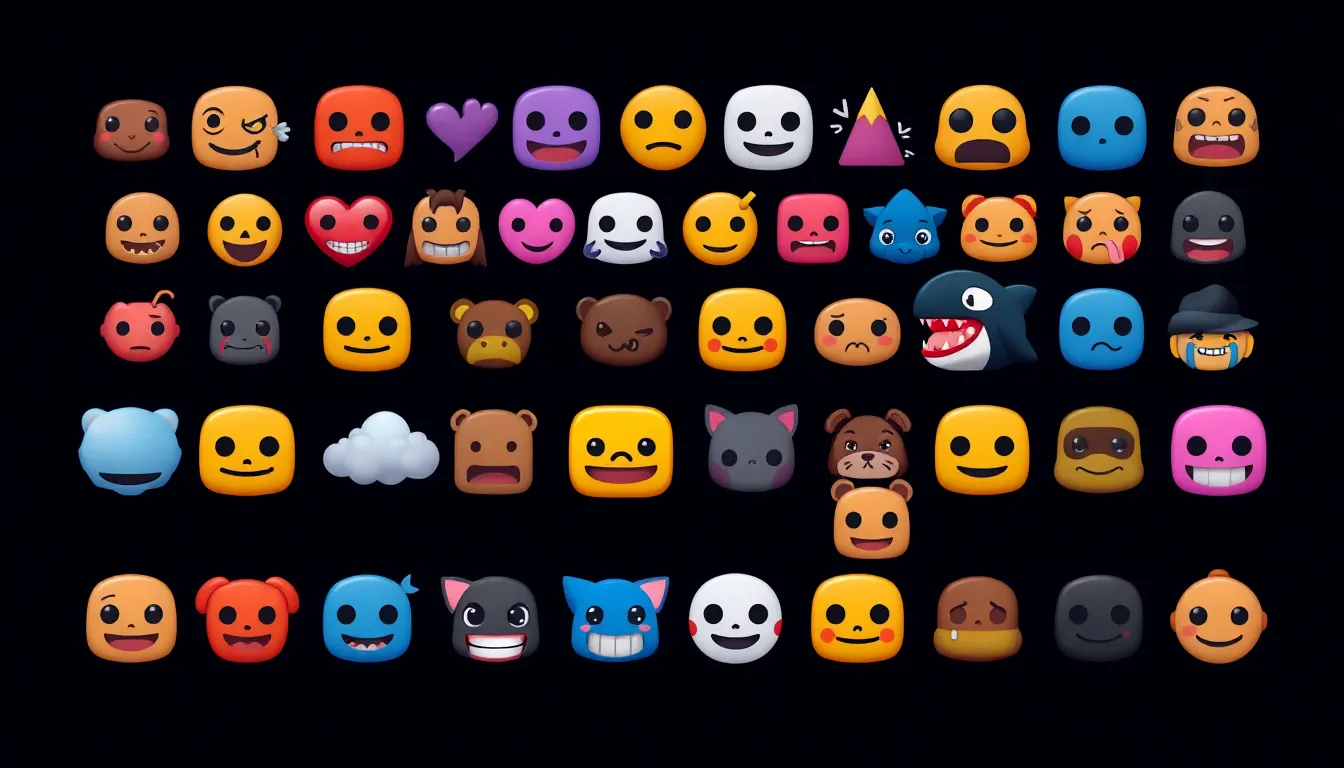
Android 16 QPR3 Introduces Over 160 New Emoji: Here's Every Single One of Them
Emoji have become fundamental to digital communication, offering visual expression beyond text. Each year, new emoji expand this vocabulary, standardized through Unicode updates. The latest, Unicode 17.0, released in September 2025, introduces a significant expansion. While stable Android versions don't yet support these, the upcoming Android 16 QPR3 (Quarterly Platform Release 3) is set to change that, bringing over 160 new characters to compatible devices.
Unicode 17.0 Emoji Now Available in Beta
The Android 16 QPR3 Beta 1, recently rolled out to Google Pixel phones, includes support for the full Unicode 17.0 emoji set. This update adds 163 new characters, featuring notable additions such as a distorted face, fight cloud, and orca. These emoji are now accessible to users who install the beta on supported Pixel models, providing an early look at the expanded expressive toolkit.
Design Refinements and Future Updates
Alongside the new emoji, the beta includes refreshed designs for existing characters. These tweaks are part of a broader effort to refine visual consistency, with more comprehensive updates expected in future releases. The integration of Unicode 17.0 ensures that Android devices will display these new emoji correctly across platforms, maintaining interoperability in digital conversations.
What This Means for Users
For Pixel users on the beta, the update immediately enriches messaging and social media interactions with fresh options like whimsical symbols and animals. The stable release of Android 16 QPR3, expected next year, will extend this support to a wider audience, aligning Android with the latest Unicode standards. This move underscores the ongoing evolution of emoji as a dynamic component of modern communication.
In summary, Android 16 QPR3 Beta 1 marks a significant step in emoji adoption, delivering over 160 new characters from Unicode 17.0 to Pixel devices. With both new additions and design refinements, it enhances the visual language available to users, paving the way for broader rollout in the coming months.