AirDrop Comes to Android: Google's Cross-Platform Breakthrough and What's Next
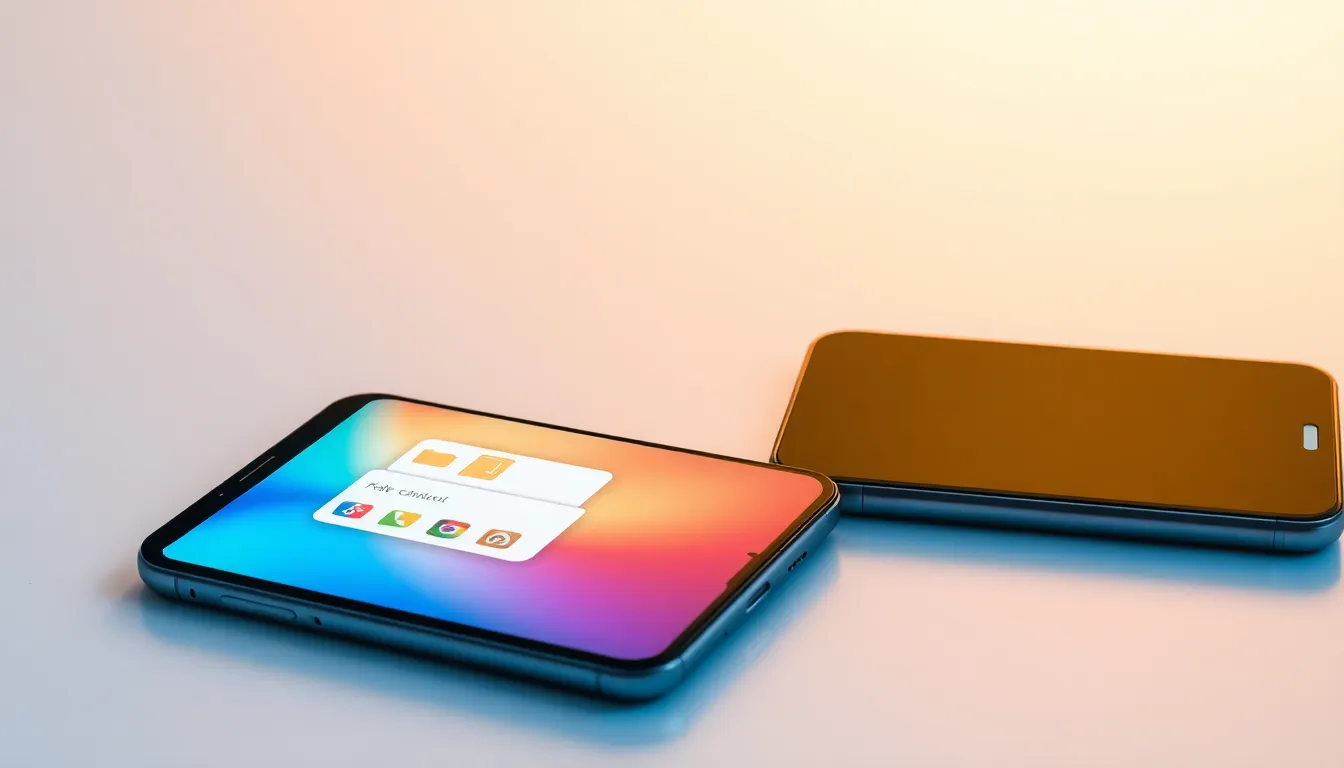
In a surprising move that bridges one of the longest-standing divides in mobile technology, Google has enabled its Quick Share feature to work with Apple's AirDrop system. The breakthrough allows Pixel 10 users to seamlessly transfer files, photos, and documents to iPhones, iPads, and Macs, marking a significant step toward interoperability between the Android and iOS ecosystems.
The Technical Achievement
What makes this development particularly remarkable is that Google accomplished it independently, without Apple's cooperation or assistance. The company confirmed that its implementation was thoroughly vetted by internal privacy and security teams, with additional testing by independent security experts. This suggests Google may have reverse-engineered AirDrop's technology to create compatibility between the two competing platforms.
The feature works bidirectionally—Android users can send files to Apple devices using Quick Share, and iPhone users can send files to Pixel 10 devices using AirDrop. When an Android user initiates a Quick Share transfer to an Apple device, the Pixel 10 appears in the iPhone's AirDrop list, and the transfer proceeds normally using a direct, secure peer-to-peer connection.
Current Limitations and Requirements
While the functionality represents a major step forward, it does come with some limitations. The most significant restriction is that iPhones must be set to AirDrop's "Everyone for 10 minutes" receiving mode for the cross-platform transfers to work. The more restrictive "Contacts Only" mode currently doesn't support connections to Android devices.
Google has expressed interest in working with Apple to enable the Contacts Only mode, but for now, users must temporarily adjust their AirDrop settings to facilitate cross-platform sharing. Additionally, the feature is currently exclusive to Google's Pixel 10 series, though the company has indicated plans to expand support to other Android devices in the future.
The Regulatory Context
This development appears connected to broader regulatory pressures, particularly from the European Union, which has been pushing for greater interoperability between tech platforms. The same regulatory environment that compelled Apple to adopt USB-C on iPhones and support RCS messaging seems to have influenced Google's decision to bridge the AirDrop gap. Nothing, another Android manufacturer, has already announced plans to implement similar cross-platform sharing capabilities, suggesting this could become a broader trend in the Android ecosystem.
What Apple Service Should Google Target Next?
With Google successfully bridging the AirDrop divide, attention turns to which Apple service might be next in line for cross-platform compatibility. Several candidates present compelling opportunities:
iMessage integration remains the most obvious target, given the long-standing messaging divide between blue and green bubbles. While Apple has committed to supporting RCS, full iMessage feature parity across platforms would represent an even more significant breakthrough.
FaceTime interoperability presents another opportunity. With video calling becoming increasingly essential for both personal and professional communication, enabling Android users to join FaceTime calls could dramatically improve cross-platform communication.
Continuity features, such as Handoff and Universal Clipboard, which allow seamless transitions between Apple devices, could also benefit from cross-platform expansion. Imagine starting an email on your iPhone and finishing it on your Android tablet, or copying text from a Mac and pasting it on a Pixel.
Find My network integration could provide value by allowing Android users to locate Apple devices and vice versa, creating a more comprehensive device tracking ecosystem.
The Future of Cross-Platform Compatibility
Google's AirDrop integration demonstrates that technical barriers between competing platforms can be overcome, even without cooperation from the other side. This achievement suggests that other walled-garden features might also be vulnerable to similar cross-platform solutions.
The move aligns with growing consumer demand for seamless experiences across different devices and platforms. As users increasingly mix Android and Apple products in their daily lives, pressure mounts on both companies to prioritize interoperability over ecosystem exclusivity.
While regulatory pressure certainly played a role in this development, the technical accomplishment shows that when companies are motivated—whether by regulation, competition, or user demand—they can find innovative ways to bridge platform divides.
Conclusion
Google's integration of AirDrop compatibility into Quick Share represents more than just a convenient new feature—it signals a potential shift in how tech giants approach platform exclusivity. By demonstrating that cross-platform functionality can be achieved independently, Google has opened the door to further interoperability breakthroughs.
As consumers continue to use mixed-device ecosystems, the pressure for seamless cross-platform experiences will only grow. Google's AirDrop integration may well be remembered as the moment when the walls between Android and iOS began to truly crumble, paving the way for a more connected digital future where users aren't forced to choose between functionality and platform preference.