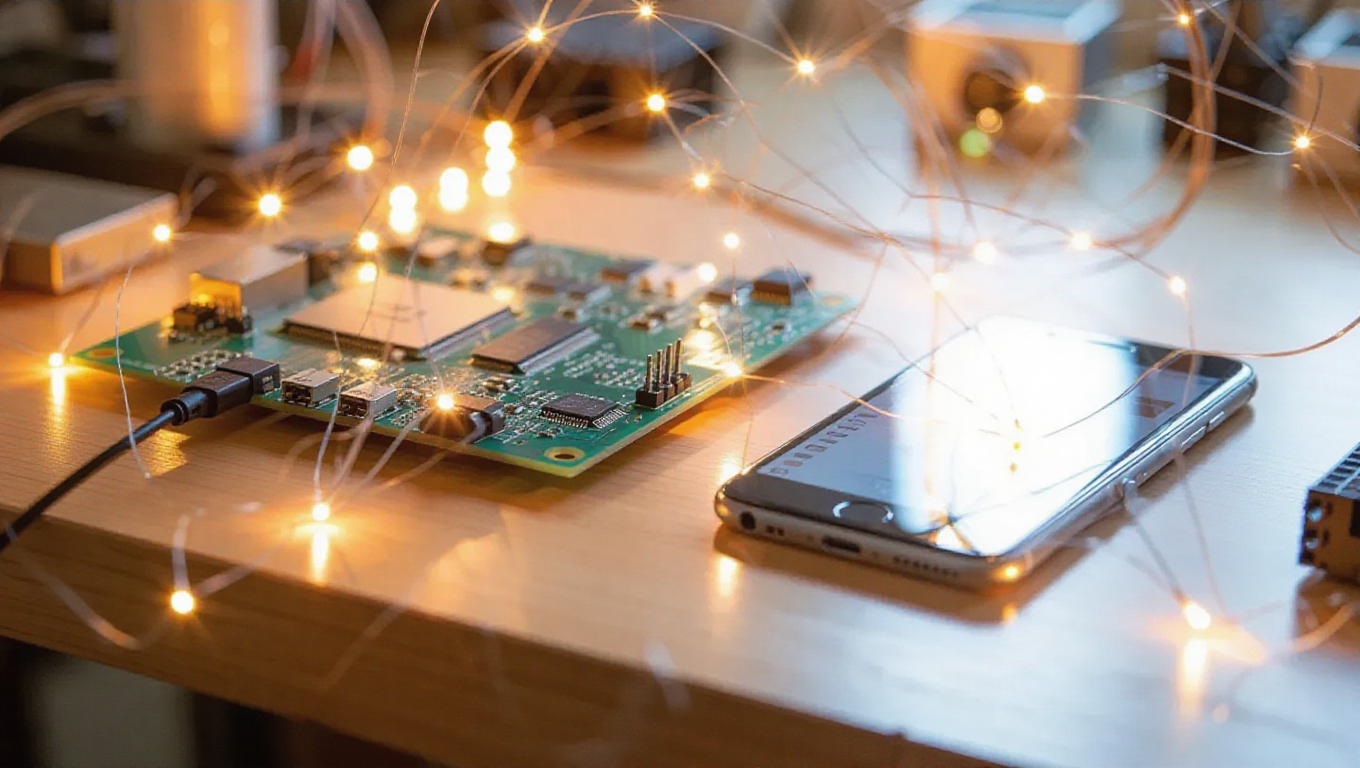
5 Smartphone Features Single-Board Computers Desperately Need
Single-board computers (SBCs) like the Raspberry Pi have revolutionized DIY electronics and embedded systems, offering remarkable capability in compact, affordable packages. Yet, despite their technical prowess, they often feel like tools designed for engineers rather than everyday users. Modern smartphones, in contrast, have mastered the art of seamless user experience through years of consumer-focused refinement. Bridging this gap could transform SBCs from niche hobbyist devices into mainstream products. Here are five smartphone features that single-board computers desperately need.
1. Seamless Wireless Connectivity
Smartphones excel with their out-of-the-box wireless capabilities—Wi-Fi, Bluetooth, and cellular connectivity work instantly without configuration headaches. Many SBCs still require manual setup for wireless networks, involving command-line interfaces and driver installations. This creates unnecessary friction for beginners and limits deployment flexibility. Integrated, auto-configuring wireless stacks would make SBCs more accessible for IoT projects, media centers, and portable applications.
2. Power Efficiency and Thermal Management
Modern smartphones are marvels of power optimization, balancing performance with battery life through sophisticated power management systems. SBCs often lack this refinement, running hot and consuming significant power even at idle. Improved power efficiency would enable more battery-powered applications and reduce cooling requirements. Thermal management similar to smartphones' dynamic throttling would prevent overheating in compact enclosures without noisy fans.
3. Intuitive Setup and Configuration
Smartphones guide users through initial setup with clear visual interfaces and sensible defaults. Most SBCs still require technical knowledge to flash operating systems, configure boot parameters, and troubleshoot hardware compatibility. A streamlined setup process with graphical tools and automated driver installation would dramatically lower the barrier to entry, making SBCs appealing to educators, artists, and casual makers.
4. Reliable Sleep and Wake States
Smartphones master low-power sleep modes while maintaining responsiveness to notifications and inputs. Many SBCs struggle with proper sleep/wake functionality, either consuming excessive power in standby or failing to resume properly. Implementing reliable sleep states would make SBCs more practical for always-on applications like home automation servers or environmental monitors where energy efficiency matters.
5. Polished Software Ecosystem
Smartphones benefit from curated app stores, regular security updates, and consistent user interfaces across applications. The SBC software landscape remains fragmented, with users navigating between different package managers, incompatible libraries, and varying update schedules. A more cohesive software ecosystem with standardized APIs and centralized updates would reduce maintenance overhead and improve security.
Conclusion
The gap between smartphones and single-board computers isn't about raw capability—SBCs often match or exceed smartphones in computational power for their size. The difference lies in polish and user experience. While SBCs excel as flexible platforms for experimentation, they frequently feel like perpetual projects rather than finished products. Incorporating these smartphone-inspired features wouldn't eliminate SBCs' open-ended nature but would make them more approachable for broader audiences. As these improvements gradually appear in scattered forms across various boards, the future looks promising for SBCs that combine hacker-friendly flexibility with consumer-ready refinement.