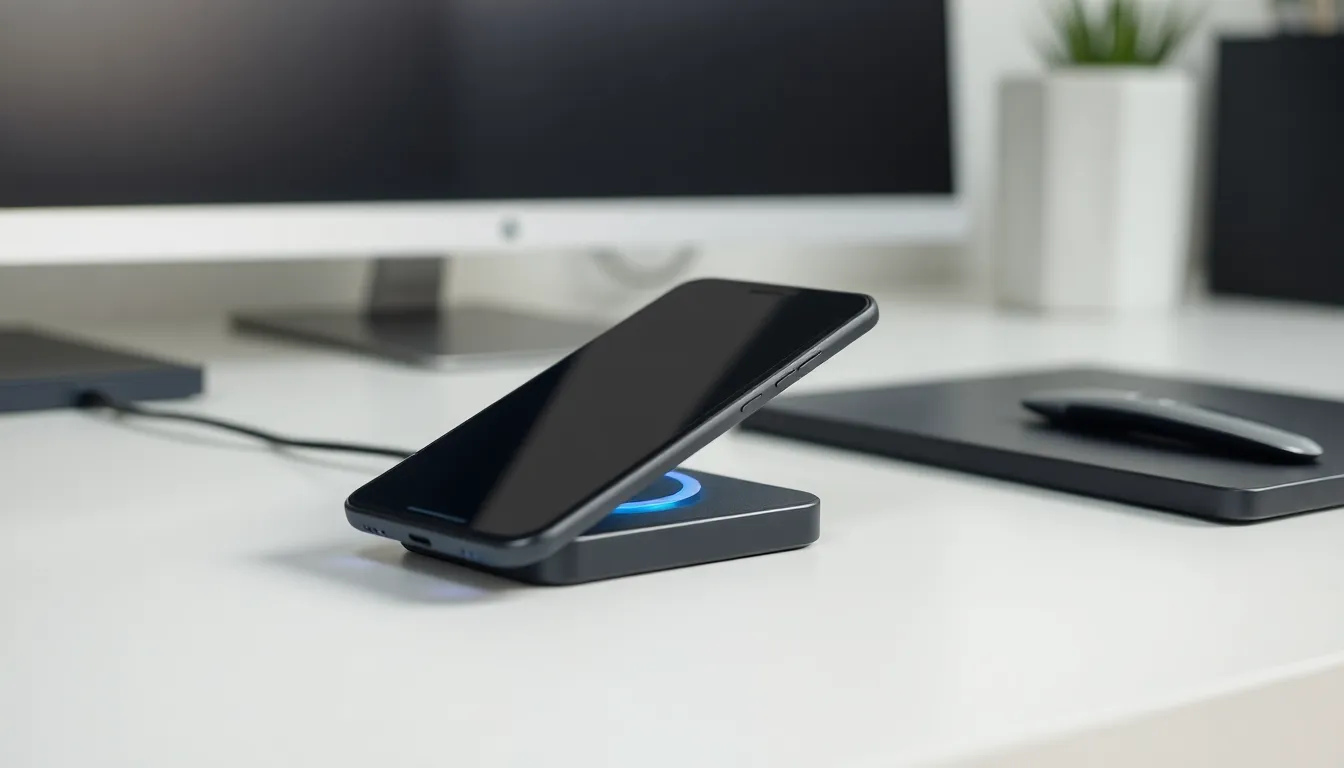
5 Key Insights from Testing Qi2 Chargers with the Pixel 10
When Qi2 wireless charging was announced as a standardized upgrade to the original Qi standard, many expected seamless compatibility and improved performance across devices. However, extensive testing with Google's Pixel 10 series reveals a more complex reality. The experience highlights significant gaps between theoretical specifications and practical implementation, offering valuable lessons for consumers navigating the wireless charging landscape.
1. Avoid Traditional Qi Chargers for Optimal Performance
While older Qi chargers may technically work with Pixel 10 devices, they fail to deliver the full benefits of the Qi2 standard. Testing shows that using legacy Qi chargers results in significantly slower charging speeds and inconsistent performance compared to certified Qi2 accessories. The Pixel 10's implementation appears optimized specifically for the newer standard, making dedicated Qi2 chargers essential for reliable, fast wireless charging.
2. Not All Qi2 Chargers Are Created Equal
Despite the Qi2 certification promising standardization, substantial variation exists between different manufacturers' implementations. Some chargers labeled as Qi2-compatible deliver inconsistent charging speeds or experience frequent disconnections with Pixel 10 devices. This suggests that certification alone doesn't guarantee optimal performance, and consumers should research specific charger models rather than relying solely on the Qi2 label.
3. Charging Speed Limitations Persist
Even with properly implemented Qi2 chargers, the Pixel 10 series demonstrates noticeable limitations in maximum wireless charging speeds. While improvements over previous generations are evident, the technology still lags behind wired charging solutions in terms of both speed and efficiency. Thermal management appears to be a significant factor, with charging rates often throttling as devices heat up during extended charging sessions.
4. Positioning and Alignment Matter More Than Expected
The magnetic alignment feature of Qi2 promises easier placement, but testing reveals that precise positioning remains crucial for consistent performance. Slight misalignment can result in reduced charging efficiency or complete charging interruptions. This is particularly noticeable with thicker cases or when using charging stands that don't provide optimal support angles for the Pixel 10's specific dimensions.
5. Power Bank Compatibility Requires Careful Selection
Wireless power banks present additional challenges, with many models failing to maintain stable charging connections with Pixel 10 devices during movement or when the phone is in use. Only a subset of tested Qi2 power banks delivered reliable performance, suggesting that portable wireless charging solutions require more careful evaluation than stationary charging pads or stands.
Conclusion
The transition to Qi2 wireless charging with the Pixel 10 series represents progress toward standardization, but practical implementation reveals significant room for improvement. Consumers should approach Qi2 accessories with realistic expectations, understanding that certification doesn't guarantee flawless performance. Careful research into specific charger models, attention to proper device placement, and awareness of inherent speed limitations will help maximize the wireless charging experience. As the ecosystem matures, both manufacturers and users will benefit from clearer performance standards and more consistent implementation across devices and accessories.